MSD splits pharma business, hiving off oncology
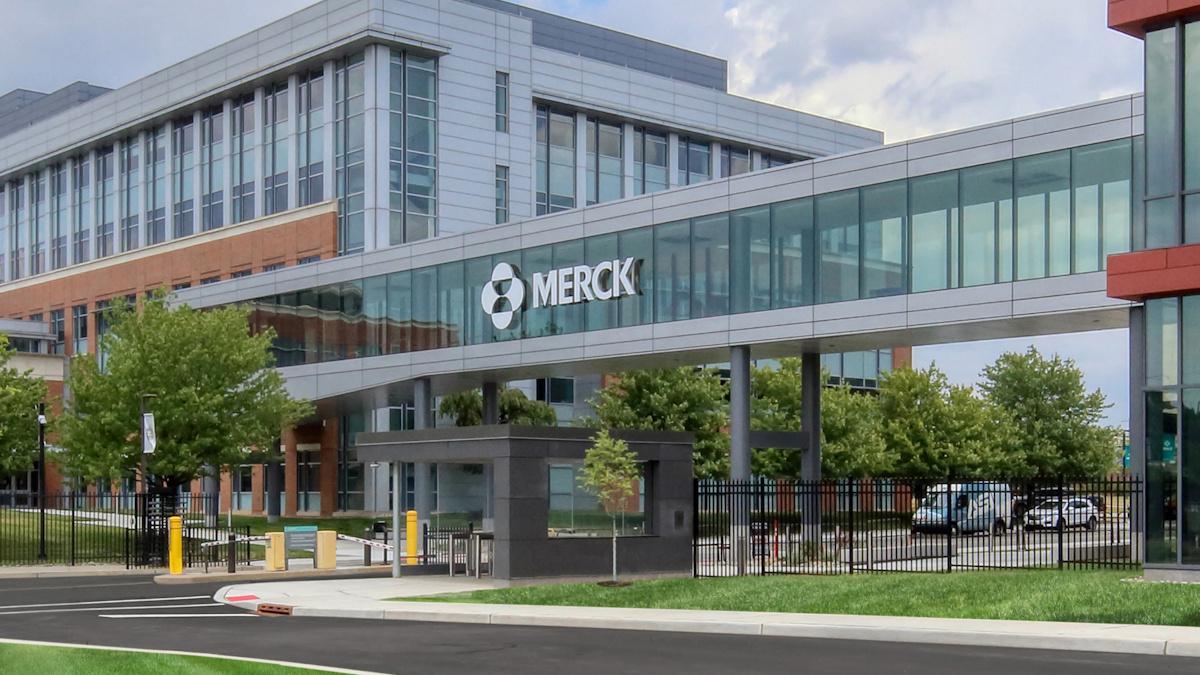
MSD/Merck & Co's headquarters in Rahway, New Jersey.
MSD has said it plans to separate its cancer and non-cancer pharma operations as it prepares for the looming loss of patent protection for $31 billion-plus blockbuster Keytruda.
The decision is believed to stem from a desire to ringfence the oncology business and manage what is expected to be swift competition for Keytruda (pembrolizumab), which accounts for nearly half its total annual revenues.
The company – which is known as Merck & Co in the US and Canada – has been investing heavily in building its product pipeline to try to prepare for the appearance of cheaper biosimilar versions of the checkpoint inhibitor, which are expected to reach the market in the US from 2028.
It has embarked on a spree of bolt-on acquisitions in the last couple of years, headlined by its takeover of Verona Pharma for $10 billion, which closed in October 2025 and gave it control of Ohtuvayre (ensifentrine), a first-in-class therapy for chronic obstructive pulmonary disease (COPD).
It also agreed to pay $9.2 billion for Cidara Therapeutics and its prophylactic therapy for people at increased risk of complications from influenza, and was rumoured to be considering a $30 billion bid for Revolution Medicines, although, that reportedly evaporated after the two companies were unable to agree terms.
In a statement, the company said the separation will allow it to "sustain long-term leadership in oncology, while maintaining a sharp focus in support of a growing number of launches across an increasingly broad and diverse portfolio."
The new oncology division will be run by Jannie Oosthuizen, previously head of Merck Human Health US, while the non-oncology business will be led by Brian Foard, who is joining MSD from Sanofi, where he was head of the specialty care business unit. They will both report directly to MSD chief executive Robert Davis.
Oosthuizen now has the challenging job of trying to revitalise oncology and continue to build up the unit's pipeline whilst delivering on the promise of late-stage cancer candidates like leukaemia therapies MK1045, a CD19-directed T-cell engager, and oral BTK inhibitor nantibrutinib, whilst delivering commercially on new products like first-in-class oral HIF-2 alpha inhibitor Welireg (belzutifan).
Despite the likely massive impact of losing market exclusivity for Keytruda – which is predicted to reach $35 billion in sales before its last patents expire – Davis has been upbeat about MSD's growth prospects, thanks to a pipeline that spans 80 phase 3 studies and has 20 new products with blockbuster potential nearing the market.
He told investors and analysts on MSD's fourth-quarter results call earlier this month that emerging crop could generate "$70 billion of non-risk-adjusted commercial opportunity by the mid-2030s."
Shares in MSD rose 1.3% after the announcement, before shedding around half a point in after-hours trading.