Lilly becomes first $1trn+ pharma company
Eli Lilly has become the first pharma group to reach a value of more than $1 trillion, joining a select group of companies that is populated mainly by tech giants.
The 150-year-old company passed the historic milestone on Friday as its share price approached $1,060, fuelled by the breakneck pace of growth of its GLP-1 agonist-based diabetes and obesity drugs in the last few years, and continued to rise after-hours. A decade ago, its shares were trading at less than $100.
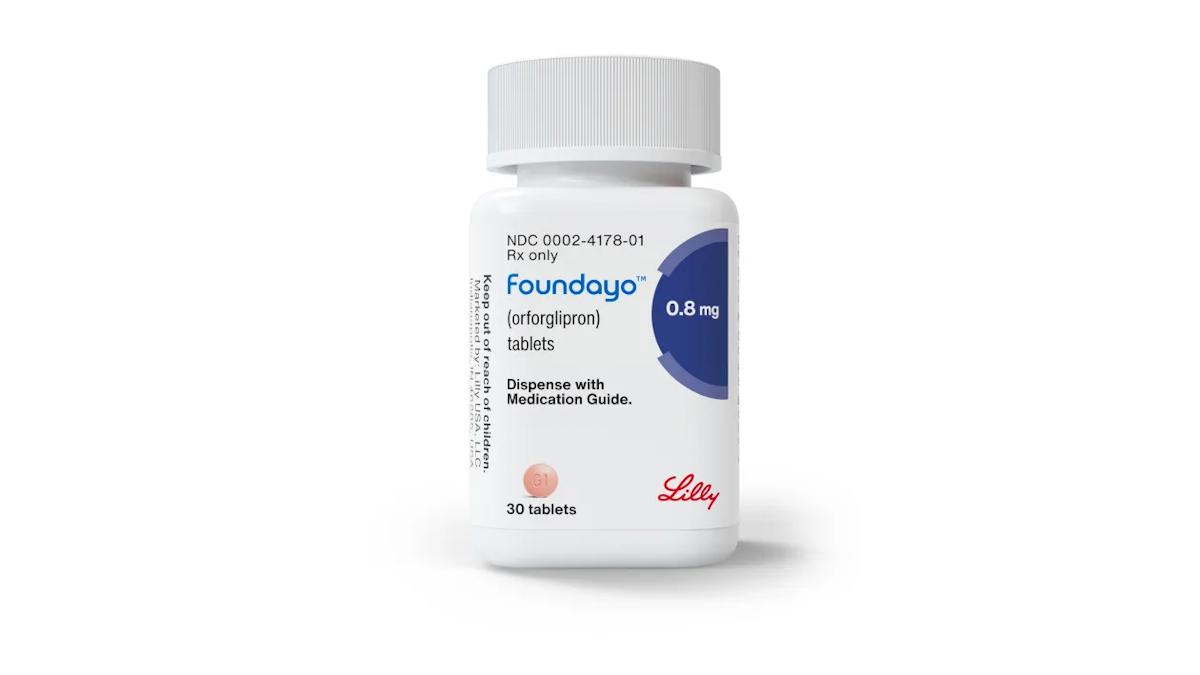
The new valuation can be directly traced back to the success of Lilly's Mounjaro for diabetes and Zepbound for obesity – both based on the GLP-1/GIP agonist tirzepatide – which generated revenues of nearly $19 billion. It also marks a turnaround for the company after initial clinical data with a follow-up, oral GLP-1 agonist drug, orforglipron, disappointed in the summer.
Another possible reason for the strong growth in Lilly could be investors seeking safer places for their money as the volume of chatter increases about the possibility that the US AI sector bubble is ready to pop.
How long Lilly will remain in the trillion-dollar club remains to be seen, particularly as the obesity and diabetes categories look set to be heavily contested in the coming years, and Lilly's near-duopoly at present with Danish counterpart Novo Nordisk is likely to be challenged in the near future.
Novo Nordisk experienced its own stellar growth on the back of GLP-1 drugs, briefly becoming the most valuable company in Europe, with a valuation of around $640 billion. However, since then, Lilly's ascendency and other competitive pressures have pummelled its share price, forcing it into job cuts and a major restructuring drive.
Lilly's growth has been driven in part by data that showed Mounjaro and Zepbound were more effective than Novo Nordisk's semaglutide-based counterparts – respectively, Ozempic and Wegovy – at helping to control blood sugar and weight in head-to-head diabetes and obesity studies, as well as new indications like obstructive sleep apnoea.
However, a long list of additional uses for the GLP-1 agonist and broader incretin category, including cardiovascular risk reduction, treatment of liver diseases, and – potentially at least – staving off dementia, has led analysts to forecast tens of billions of dollars in potential annual sales. That said, on dementia - or at least Alzheimer's disease - hopes have just been dashed by disappointing results for oral semalgutide in two phase 3 trials.
As it stands, Lilly is now worth more than twice its nearest rival in the pharma sector, namely Johnson & Johnson, whose market cap this morning was $491 billion.
In the near term, all eyes are now on the relative merits of Lilly and Novo Nordisk's oral GLP-1 agonists for diabetes and weight loss, which offer the convenience of a daily pill, rather than weekly injections.
They are both en route to market, with an oral version of Novo Nordisk's already-filed semaglutide likely to get there first as Lilly's orforglipron is due to be submitted to the FDA within the next few weeks.