Hutchmed scores with drug for rare autoimmune disease
Hutchmed is preparing to file for approval of a drug for the rare autoimmune disorder warm antibody autoimmune haemolytic anaemia (wAIHA) in China, after chalking up a win in a pivotal phase 2/3 trial.
The Hong Kong biopharma company has reported topline results from the 100-subject ESLIM-02 trial of sovleplenib, an oral Syk inhibitor, and said it hopes to file for approval as a treatment for wAIHA with China's National Medical Products Administration (NMPA) in the first half of this year.
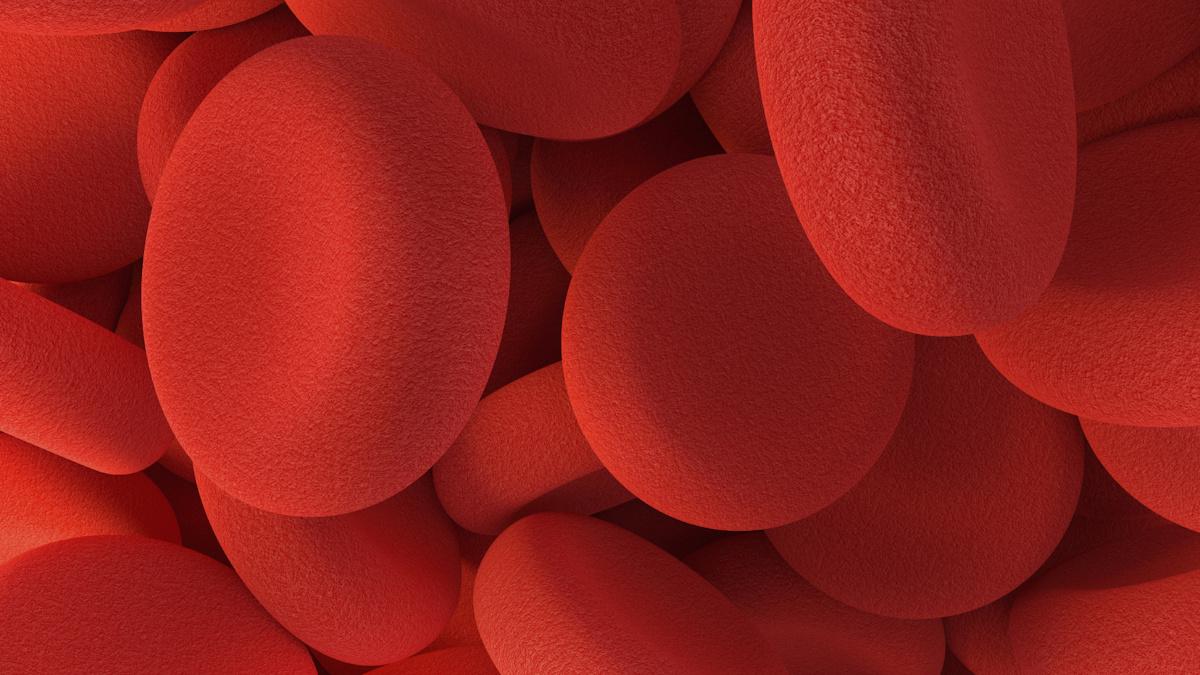
In wAIHA, the immune system erroneously produces antibodies that attack and destroy the body's own healthy red blood cells. It causes symptoms like fatigue, weakness, and shortness of breath, and can be a life-threatening condition if not managed well.
wAIHA form is the most common form of autoimmune haemolytic anaemia, accounting for up to 80% of all adult cases, and is generally treated using corticosteroids, immunosuppressant medicines, and anti-CD20 antibody rituximab.
ESLIM-02 showed that, compared to placebo, sovleplenib was more effective at achieving a durable haemoglobin response rate in the five to 24 weeks after starting treatment.
Results from the phase 2 part of the study, published in The Lancet Haematology in January 2025, revealed an overall haemoglobin response rate of 43.8% for sovleplenib in the first eight weeks, with a zero rate for placebo, rising to 66.7% over the 24 weeks.
"The positive topline results from ESLIM-02 highlight sovleplenib's potential to deliver rapid and durable haemoglobin responses in wAIHA patients who have limited options after failing standard therapies," commented Prof Fengkui Zhang of the Chinese Academy of Medical Sciences Blood Diseases Hospital, one of the study's principal investigators.
"This could represent a meaningful advancement for managing this challenging condition," he added.
Hutchmed is also developing sovleplenib for chronic immune thrombocytopenia (ITP), another disease characterised by the destruction of blood cells – in this case, platelets – although progress in that indication has been held up by a manufacturing issue that led to a marketing application in China being withdrawn. The company has said it plans to resubmit the drug for approval in ITP in the second quarter of 2026.
Another Syk inhibitor, Rigel/Grifols' Tavalisse/Tavlesse (fostamatinib), is already on the market for ITP, but failed to show significant efficacy in a phase 3 wAIHA study reported in 2022.
At the moment, there are no therapies specifically for wAIHA, although, various other candidates are in clinical development for the rare disorder, including Sanofi's BTK inhibitor Wayrilz (rilzabrutinib), Johnson & Johnson's anti-FcRn antibody Imaavy (nipocalimab), and Zenas BioPharma's CD19xFcγRIIb bispecific antibody obexelimab.