Hutchmed rises on $1.3bn KRAS licensing deal with GSK
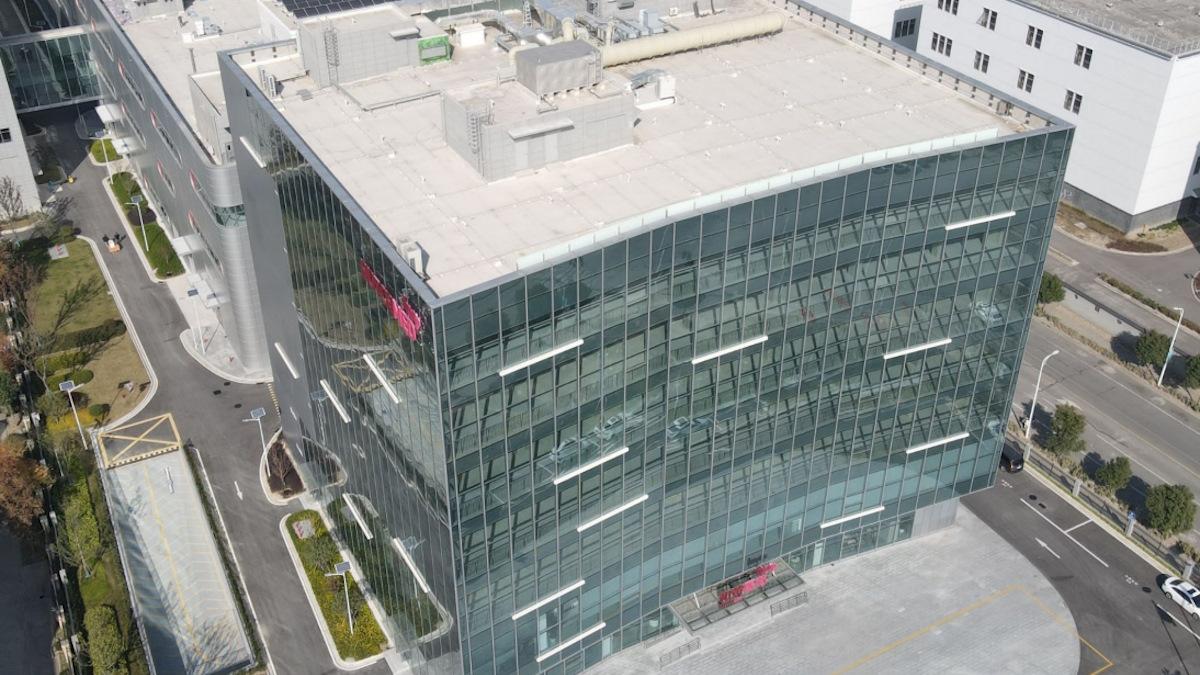
Shares in China's Hutchmed surged today after GSK paid $110 million upfront for rights to a preclinical-stage KRAS and EGFR-targeted drug with potential in colorectal, pancreatic, and lung cancer.
Hutchmed rose almost 15% on the AIM exchange after the disclosure of the deal – which could be worth as much as $1.3 billion if all objectives are met – and after analysts at Cavendish and Panmure Liberum said the stock has been undervalued.
GSK is taking a global license to the antibody-targeted therapy conjugate (ATTC), called HMPL-A830 and expected to start clinical testing before the end of the year, outside Mainland China, Hong Kong, Macau, and Taiwan.
The drug takes the form of a KRAS-targeting small molecule conjugated to an EGFR-targeted antibody construct, which Hutchmed said "enables tumour-selective activity of potent, cell-killing payloads."
Colorectal, lung, and pancreatic cancers have the highest incidence of KRAS-alterations, and despite the commercial availability of three KRAS inhibitors – Amgen's Lumakras (sotorasib), Bristol Myers Squibb's Krazati (adagrasib), and Revolution Medicines' just approved Rasonque (daraxonrasib) – patients often lack a safe and durable therapy.
Under the terms of the deal, Hutchmed will be responsible for a global phase 1 development programme for HMPL-A830, with a subsidiary of GSK taking on further clinical development and commercial activities if all goes according to plan.
"Our ATTCs combine antibodies with our proprietary small-molecule inhibitor payloads to deliver dual mechanisms of action," said Hutchmed's acting chief executive, Johnny Cheng.
"HMPL-A830 is our third drug candidate from these novel payload platforms and the first from our platform to be licensed to a global partner," he added.
Hutchmed has already started clinical development of two ATTCs; namely, PI3K/PIKK-HER2-directed HMPL-A251 for HER2-expressing tumours and PI3K/PIKK-EGFR-targeted HMPL-A580 for EGFR-expressing cancers, which are in phase 1.
Faced with a maturing product portfolio, GSK has been focused on building its R&D pipeline under CEO Luke Miels, who took charge of the group at the start of this year.
Recent moves include a $10.6 billion takeover of Nuvalent, adding a pipeline of cancer therapies, including ROS1 inhibitor Jideytro (zidesamtinib), which was approved by the FDA for ROS1-positive non-small cell lung cancer (NSCLC) in July.