Hope rises for vaccine against hookworm parasite

A phase 2 trial has shown promising protective efficacy for what could become the first vaccine against hookworm, a parasitic disease affecting hundreds of millions of people around the world.
The investigators behind the trial, from George Washington University School of Medicine and Health Sciences and Baylor College of Medicine in the US, said that the Na-GST 1/Al–CpG vaccine will now be moved into pivotal trials as either a standalone or potentially part of a combination vaccine.
Hookworm is a form of soil-transmitted helminth (STH) infection, caused by parasitic worms, that are typically spread by eggs present in human faeces, which contaminate soil in areas of poor sanitation. People become infected with hookworm primarily by walking barefoot on contaminated soil, and the worms feed on host tissues, including blood.
The parasites – which affect somewhere between 100 million and 400 million people, primarily in sub-Saharan Africa, Southeast Asia, and South America – are a major cause of iron-deficiency anaemia, particularly in children and pregnant women, and increase the risk of maternal and infant mortality and low birth weight.
At the moment, infections are controlled using deworming or preventive chemotherapy with antiparasitic drugs, like albendazole and mebendazole, in areas where the parasites are endemic, along with treatment of diagnosed cases.
The phase 2 trial was carried out in 39 healthy adults in Washington DC who received three doses of one of three vaccine formulations or placebo and then were given a controlled infection with the parasite.
The candidate that was the most effective in the study was formulated with an antigen of the Necator americanus hookworm parasite (Na-GST 1) in combination with a CpG adjuvant to enhance the vaccine's immunogenicity.
Subjects given the vaccine showed a dramatically lower intensity of infection after exposure, with a median of zero eggs per gram of faeces, compared to around 67 eggs in the placebo group, suggesting the shot could have a major impact on disease transmission. The study has been published in The Lancet Infectious Diseases.
"An effective hookworm vaccine could become an essential tool to prevent anaemia and improve health outcomes in vulnerable populations," said David Diemert, lead researcher and professor of medicine at GWU. "These findings represent an important step toward that goal."
Fellow triallist Maria Elena Bottazzi, senior associate dean of the National School of Tropical Medicine at Baylor, added: "A combination vaccine could pack a particularly powerful punch because, in areas with high rates of both malaria and hookworm, it's not always clear which one is the primary cause of anaemia."
There is also hope of an improved drug treatment for hookworm infections, after Bayer reported phase 2b results with emodepside, a drug that is already marketed as a treatment for parasitic veterinary infections.
Development of the Na-GST 1/Al–CpG vaccine is being funded by the US National Institute of Allergy and Infectious Diseases (NIAID).
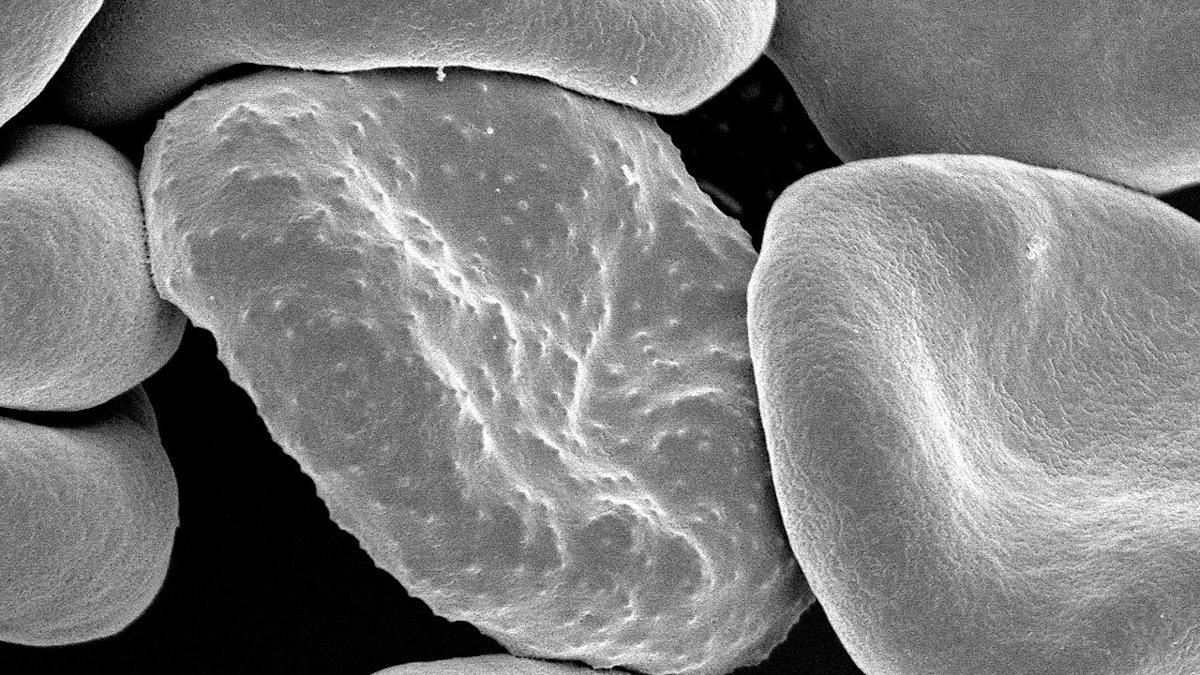
Image by Siloé Amazzi from Pixabay.