German sites added to Europe's cardiometabolic R&D network
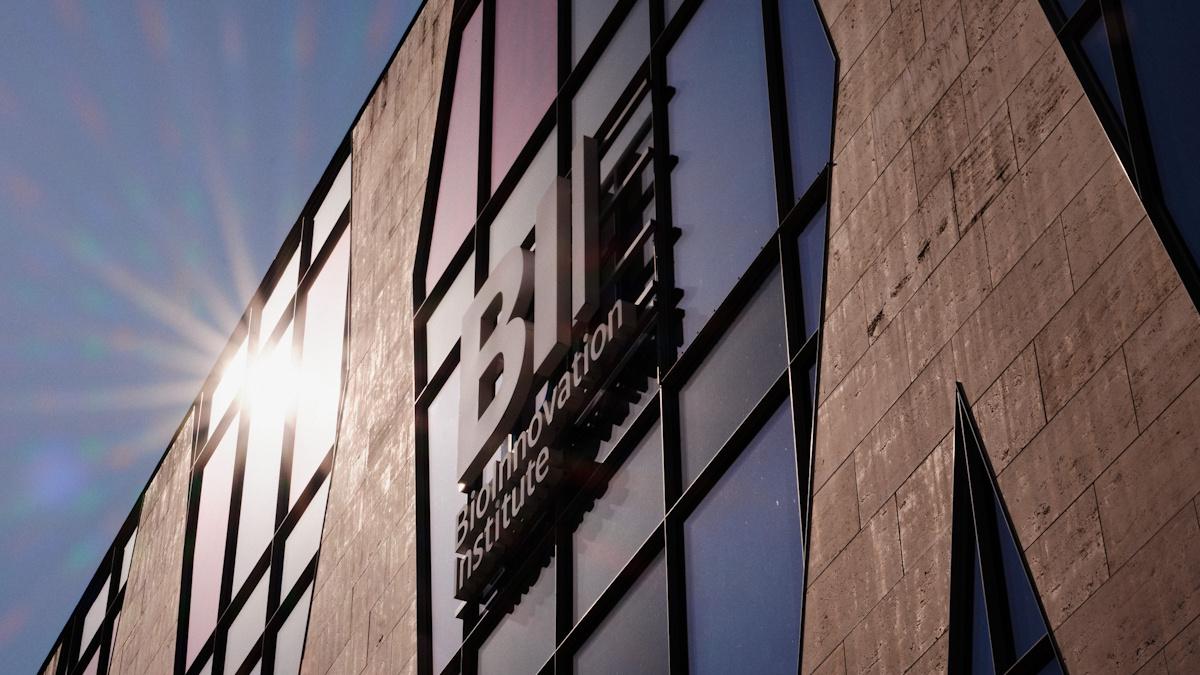
The BioInnovation Institute (BII) has expanded a network striving to develop treatments for cardiometabolic diseases and launch new biotechs into a third European country, Germany.
Along with its current locations in Copenhagen, Denmark, and London, UK, the CardioMetabolic Bridge initiative will open new sites in Munich and Berlin, according to the BII, which receives funding from the Novo Nordisk Foundation.
Like all BII projects, the CardioMetabolic Bridge aims to translate promising research into improved care for patients, bridging the gap between academic research and commercialisation.
First announced in June, it will support selected academic research projects with funding, scientific and commercial mentoring from entrepreneurs and industry experts, along with access to state-of-the-art facilities. The Novo Nordisk Foundation is backing the programme with up to €60 million in funding over the next six years.
BII is running the initiative from its headquarters in Copenhagen, and the first lab space – at Victoria House in London's Knowledge Quarter – was set up earlier this year. With Berlin and Munich having been selected as the next locations, with setup taking place in the coming months, a fifth site in Italy is in the planning stages.
In Munich, BII can tap into the local academic institutions like the Helmholtz Centre, the Technical University of Munich (TUM), and Ludwig Maximilian University (LMU), while Berlin offers close proximity to the Charité hospital and the Max Delbrück Centre, said BII chief executive Jens Nielsen in an interview with the transkript news service.
Despite Europe's strong position in cardiometabolic research, many promising scientific discoveries never make the transition from academic laboratories into drug development, according to BII. That is in part because early-stage researchers and innovators often lack the funding, infrastructure, industry expertise, and commercial support required to move their discoveries forward.
"Germany has outstanding scientific capabilities and some of Europe's most dynamic life science ecosystems," added Nielsen.
"We see significant opportunities in both Munich and Berlin to connect excellent research with the entrepreneurial expertise, infrastructure and industry networks needed to bring new therapies closer to patients."