FDA clears Orca's cell therapy Tregzi for GvHD
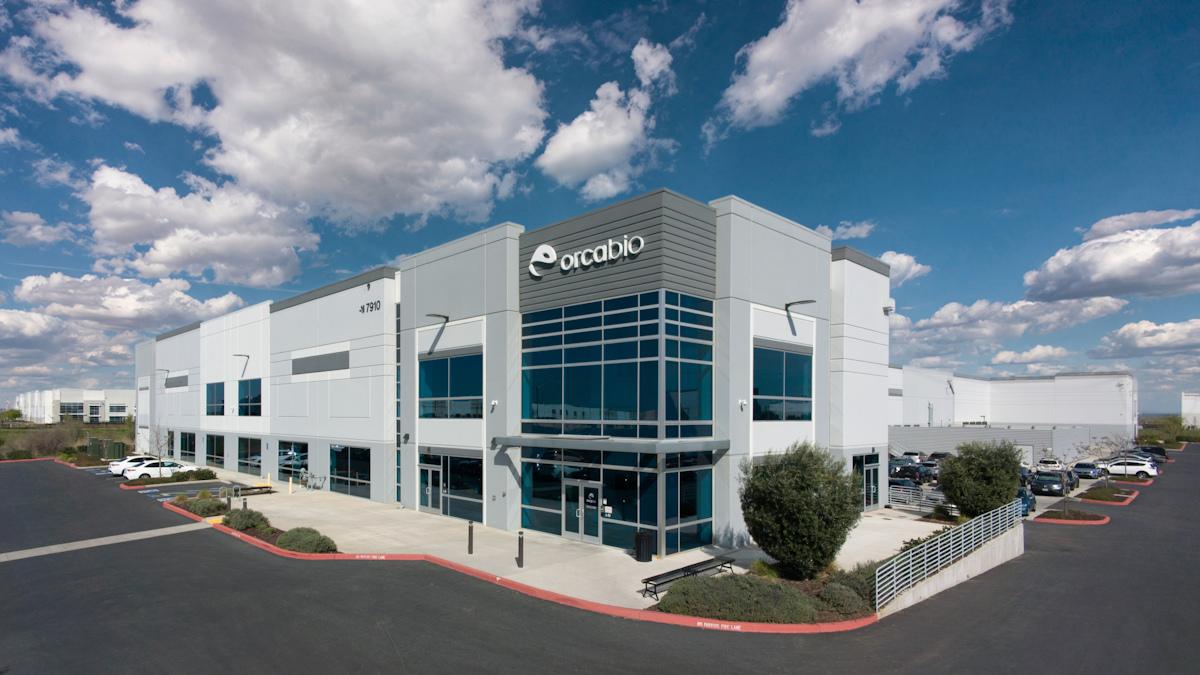
Orca Bio's manufacturing facility in Sacramento, California.
Orca Bio has become a commercial-stage company with the FDA approval of Tregzi, a cell-based immunotherapy designed to prevent graft-versus-host disease (GvHD) in people who need a bone marrow transplant.
The regulatory T-cell (Treg) therapy, formerly known as Orca-T, uses stem cells and immune cells collected from the blood of a closely matched donor to help patients undergoing a haematopoietic stem cell transplant (HSCT) to treat high-risk blood cancers.
The aim is to both improve the grafting of the HSCT and reduce the risk of GvHD, a serious and potentially life-threatening condition that can occur as a complication of HSCT and is caused by the donated immune system starting to attack the patient's own body. Patients receive Tregzi after undergoing chemotherapy to prepare their bodies for the HSCT.
According to the FDA, the first-of-its-kind therapy "addresses an important unmet need in transplantation, where curing the cancer is often only part of the challenge; avoiding chronic GVHD is equally important for long-term outcomes."
The approval is based on the PRECISION-T, a clinical trial in 187 adult patients with blood cancers - including acute myeloid leukaemia (AML), acute lymphoblastic leukaemia (ALL), and myelodysplastic syndrome (MDS) - who were assigned to either Tregzi or a standard HSCT.
The rate of chronic GVHD was 13% with Tregzi and 44% in the control group, while chronic GvHD-free survival (cGFS) came in at 78% and 38%, respectively. Both were highly statistically significant differences, and there was also a trend towards improved overall survival with Orca's therapy, coming in at 94% and 83%, respectively, after a year's follow-up.
"For transplant physicians, one of our greatest challenges has long been preserving the vital graft-versus-leukaemia effect while minimising the risk of GvHD and infection," said Miguel-Angel Perales, head of the Adult Bone Marrow Transplant Service at Memorial Sloan Kettering Cancer Center in the US.
"The FDA approval of Tregzi signals a new era in transplant medicine," he added.
Tregzi is the second cell therapy to be approved by the FDA for use in the context of managing GVHD in HSCT patients, albeit with different purposes, after Mesoblast's mesenchymal stromal cell (MSC) therapy Ryoncil (remestemcel-L). Ryoncil was approved in 2024 to treat steroid-refractory acute GVHD in paediatric patients aged two months and older.
The launch of Orca's first product will be supported by a $250 million financing, which closed in January, and has helped it to build up a commercial team for Tregzi and complete manufacturing scale-up at a plant in Sacramento, California, and a planned East Coast facility. The product is being launched with a wholesale acquisition cost (WAC) of $428,000.