ESC26: AZ's relaxin agonist shows promise in heart failure
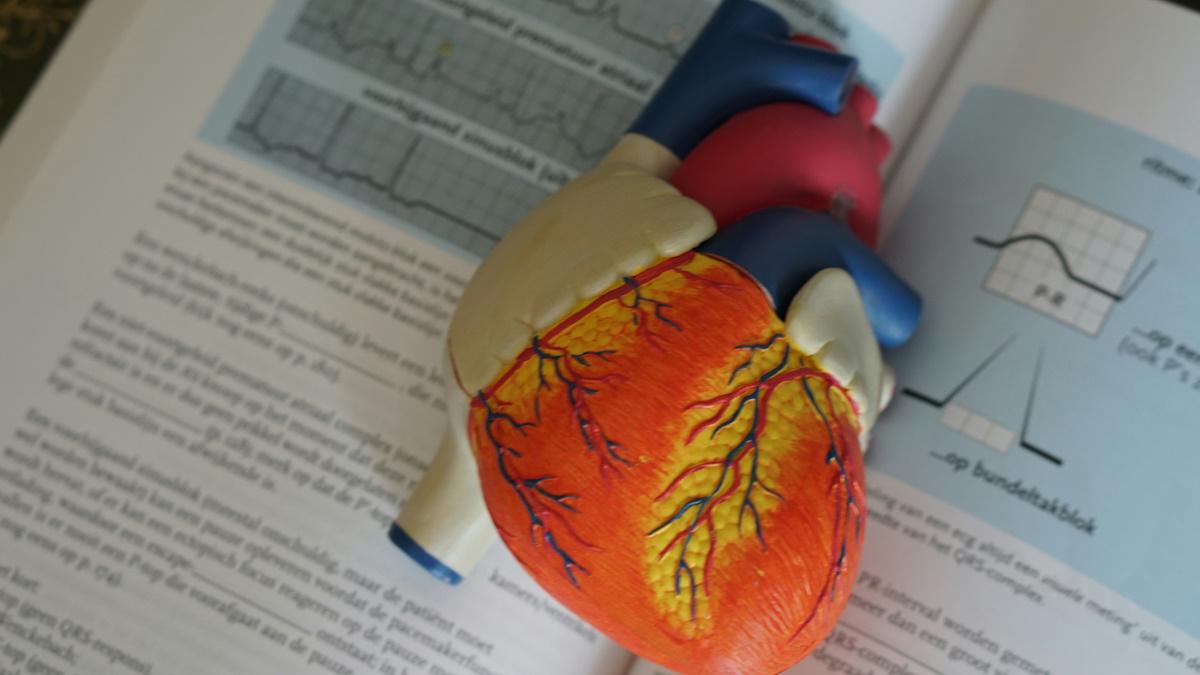
Robina Weermeijer
An oral relaxin agonist developed by AstraZeneca, codenamed AZD5462, has been shown to improve cardiac function in patients with chronic heart failure.
Data from the phase 2b LUMINARA trial, reported at the ESC 2026 congress and simultaneously published in the journal Circulation, suggest that after a series of failed programmes, stimulating relaxin could finally emerge as a contender for a new way to treat heart failure.
In LUMINARA, which enrolled 235 CHF patients across 10 countries, the lowest dose of AZD5462 (20 mg once daily) achieved improvements compared to placebo at week 24.
In one subgroup of subjects with a left ventricular ejection fraction (LVEF) of 35% or lower, the drug showed a positive change in end systolic volume index (ESVi), a marker of cardiac remodelling, with a reduction from baseline of 5.4 mL/m2 compared to placebo.
The other subgroup of patients with LVEF of 41% to 55% was tracked using a different primary endpoint, the change in systemic vascular resistance index (SVRi), which measures the load on the heart. In that cohort, the 20 mg dose also performed well, with a 19% reduction, while the higher 80 mg and 360 mg doses cut it by 21% and 15%, respectively, at 24 weeks.
AZD5462 acts as an RXFP1 agonist, a class that has seen a number of disappointments, including Corthera/Novartis' intravenously administered serelaxin, which failed a phase 3 trial and was dropped almost a decade ago, and Moderna's mRNA-based mRNA-0184, which was discontinued in 2024.
"Earlier attempts to develop drugs that stimulate the relaxin receptor RXFP1 were unsuccessful due, in part, to challenges from side effects possibly related to supra-physiological dosing," said Harvard Medical School's Prof James Januzzi, who presented the data at ESC.
Specifically, older drugs in the class have been associated with falls in blood pressure – which were minimal with AZ's drug – as well as volume overload, which happens when a weakened heart fails to pump blood efficiently, causing the kidneys to retain salt and water, leading to a build-up of excess fluid in the body.
That might explain in part why the lowest dose of AZD5462 performed better than higher doses in LUMINARA, although Januzzi noted that the drug was associated with only mild blood pressure reductions and no significant volume overload.
That said, relaxin receptors are very sensitive to being desensitised or downregulated when overstimulated, which could also explain the data.
"Larger randomised trials with AZD5462 are now warranted, focused on outcomes," he told delegates at ESC.
Photo by Robina Weermeijer on Unsplash