Capricor’s DMD hope still strong, as it shares financials
Late last week, San Diego, CA-based Capricor Therapeutics, a biotechnology company developing transformative cell- and exosome-based therapeutics for the treatment of rare diseases, announced its financial results for the second quarter. It also provided a corporate update.
Back in July, US FDA advisors voted that Capricor Therapeutics had not provided strong evidence of efficacy for its cell therapy for muscle problems associated with Duchenne muscular dystrophy, putting its approval in doubt. However, the FDA has since lifted the Complete Response Letter (CRL) and resumed review of the Biologics License Application (BLA), with a Prescription Drug User Fee Act (PDUFA) target action date of 22nd August 2026.
Deramiocel, based on donor cardiosphere-derived cells (CDCs) given by intravenous infusion, was turned down by the FDA last year as a treatment for cardiomyopathy associated with DMD, but was subsequently refiled as a treatment for skeletal and cardiac manifestations of the muscle-wasting disease.
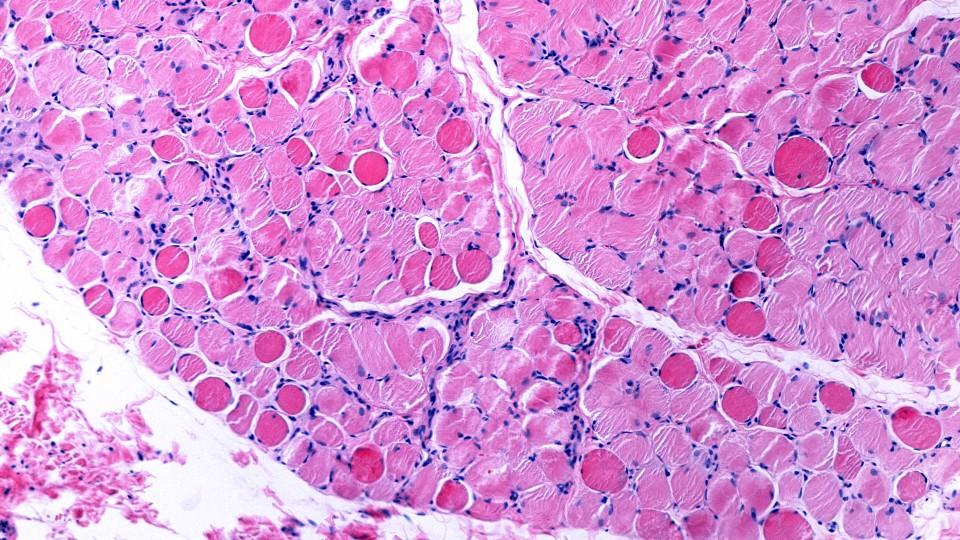
Duchenne Muscular Dystrophy (DMD) is a severe, X-linked genetic disorder characterised by progressive muscle degeneration affecting the skeletal, respiratory, and cardiac muscles. It is caused by the absence of functional dystrophin, a key structural protein in muscle cells. DMD affects approximately 15,000 individuals in the United States and primarily impacts boys. Over time, deterioration of the heart muscle leads to cardiomyopathy and heart failure, which is the leading cause of death in DMD. There is no cure, and treatment options remain limited.
Linda Marbán, PhD, Capricor’s CEO, stated: “The Advisory Committee outcome was not the one we hoped for. The indication we requested in 2024 was the treatment of cardiomyopathy in DMD, and that is the question the Committee was asked to vote on, not the HOPE-3 primary endpoint.”
The full HOPE-3 Phase 3 dataset was published in The Lancet in July following extensive and independent peer review. Deramiocel demonstrated a statistically significant slowing of upper limb disease progression as measured by PUL 2.0 (p=0.029), with supportive results across additional functional and cardiac measures, which are characterised as nominally significant under the applicable hierarchical testing procedures.
Shares in Capricor lost two-thirds of their value after the FDA published the briefing document, and remained weak after the advisory committee vote, which makes the chances of an approval low.
Capricor has administered approximately 1,300 intravenous infusions of Deramiocel to over 200 patients with DMD across three separate clinical trials. More than 80 patients are enrolled in the company's collective open-label extension studies, with some receiving continuous infusions for more than five years, and the long-term safety profile is consistent and well characterised.
Deramiocel has received Orphan Drug Designation for the treatment of DMD from both the US FDA and the European Medicines Agency (EMA). In addition, it has been granted Regenerative Medicine Advanced Therapy (RMAT) designation in the US, Advanced Therapy Medicinal Product (ATMP) designation in Europe, and Rare Pediatric Disease Designation from the FDA, which may qualify Capricor for a Priority Review Voucher upon approval.
Capricor has also initiated regulatory engagement in Europe and Japan for Deramiocel. Expansion into younger DMD patients and Becker muscular dystrophy remains a priority, with trial initiations stage-gated to the US regulatory pathway for Deramiocel.
In terms of Capricor’s cash position – cash, cash equivalents, and marketable securities totalled approximately $237.9 million as of 30th June 2026, compared to approximately $318.1 million as of 31st December 2025. There was no revenue recognised for the first half of 2026 or 2025.
The company reported a net loss of approximately $40.7 million, or $0.70 per share, for the second quarter of 2026, compared to a net loss of approximately $25.9 million, or $0.57 per share, for the second quarter of 2025. The net loss for the first half of 2026 was approximately $74.7 million, or $1.29 per share, compared to a net loss of approximately $50.3 million, or $1.10 per share, for the first half of 2025.
Capricor believes that its current operating plan and financial resources are sufficient to fund its operating capital requirements for at least the next twelve months.