
Boehringer back in cancer with Hernexeos approval
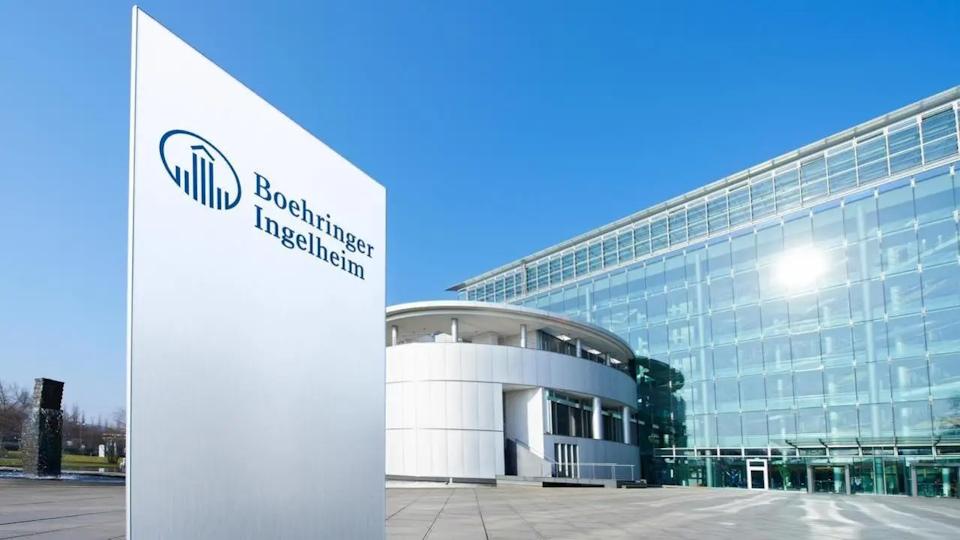
Boehringer Ingelheim's bid to return to the oncology arena has been achieved with an FDA approval for Hernexeos, a new, targeted treatment for non-small cell lung cancer (NSCLC).
The German pharma group has won accelerated approval for Hernexeos (zongertinib) as the first oral, targeted therapy for previously treated patients with HER2-mutant advanced NSCLC, after a priority review.
The outcome of the review also gives Boehringer a lead over its main rival in the category, fellow German group Bayer, which is developing sevabertinib (BAY 2927088), another HER2-targeting oral therapy that was filed with the FDA as a second-line treatment for HER2-mutated NSCLC in May.
HER2 mutations are seen in between 2% and 4% of NSCLC patients, and are associated with a poor prognosis and a higher incidence of the cancer spreading to the brain. Patients with HER2-mutant NSCLC are predominantly women, and tend to be younger and non-smokers.
The Hernexeos approval is based on data from the Beamion LUNG-1 study, which revealed an objective response rate of 71% and a duration of response of 14.1 months. Progression-free survival – how long patients lived before the disease progresses – came in at 12.4 months.
John Heymach, chair of thoracic/head and neck medical oncology at The University of Texas' MD Anderson Cancer Center, said the approval means that cancer specialists now have an oral therapy that can not only offer a durable therapeutic effect, but does so with a manageable safety profile.
"In a patient population where there are currently limited treatment options, this approval represents a significant advancement in cancer care," he added.
The main rival for Hernexeos in relapsed/refractory HER2-mutated NSCLC is AstraZeneca and Daiichi Sankyo's antibody-drug conjugate (ADC) Enhertu (trastuzumab deruxtecan), which was approved by the FDA for this indication in 2022, based on the DESTINY-Lung02 results.
Boehringer hopes that Hernexeos' safety profile and oral dosing will give it an edge over Enhertu, which has to be given by infusion and can cause rare but potentially serious side effects like interstitial lung disease (ILD) and pneumonitis.
Meanwhile, both Boehringer and Bayer are running phase 3 trials of their drugs in first-line populations that are designed to extend their use and confirm accelerated approval. Bayer began its pivotal SOHO-2 study around six months later than Boehringer's Beamion LUNG-2 trial, with data expected from end-2026 onwards.
Hernexeos is now spearheading Boehringer's efforts to establish a presence in oncology, after MDM2-p53 antagonist brigimadlin was discontinued earlier this year in the wake of disappointing clinical results in rare cancer dedifferentiated liposarcoma (DDLPS). Along with HER2-mutated NSCLC, the company is also looking at its potential in other HER2-altered cancers, including breast and gastrointestinal tumours, as well as non-HER2 lung cancer.













