Bayer files HER2+ lung cancer drug in China
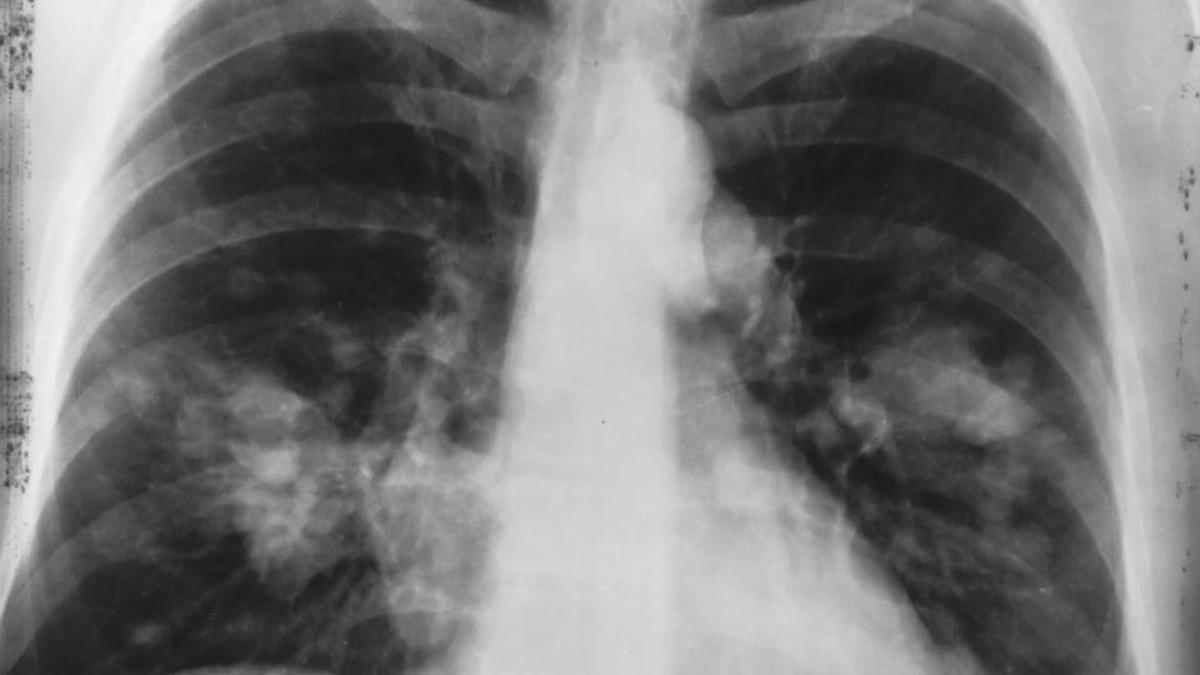
Bayer's rivalry with Boehringer Ingelheim in the development of medicines for HER2-mutated non-small cell lung cancer (NSCLC) has been elevated by a filing for its drug in China.
The submission of sevabertinib (BAY 2927088) is based on results from the ongoing phase 1/2 SOHO-01 trial, which also formed the basis of a filing in the US earlier this year.
Bayer is now in a race to market with Boehringer Ingelheim and its zongertinib candidate, which has also been filed for approval in the US for HER2-positive NSCLC. Both drugs are vying to become the first oral, targeted therapies for patients in the advanced stages of the cancer who have received at least one prior systemic treatment and have not received any other HER2-directed drugs.
New data from SOHO-01 was also revealed by Bayer today, showing an objective response rate (ORR) of 70.5% in these pre-treated patients, with a "manageable" safety profile that has stayed consistent with previous readouts.
That's closely in line with the results of Boehringer's phase 1b Beamion LUNG-1 study, which showed an ORR of 71% with zongertinib. Meanwhile, both companies have phase 3 trials on the go in first-line populations that would be used to extend their use and confirm the drugs' efficacy if they get accelerated approvals.
In China, sevabertinib has been given a breakthrough therapy designation by the Center for Drug Evaluation (CDE), part of the National Medical Products Administration (NMPA), which could hasten the review of the drug. The FDA has awarded Bayer's drug breakthrough designation, as well as priority review status, setting up a possible verdict later this quarter.
Bayer's head of global product strategy and commercialisation, Christine Roth, said the Chinese filing "is a significant milestone that validates our ongoing efforts to develop personalised healthcare solutions that help people living with cancer."
Lung cancer is a major public health problem in China, ranking as the leading cause of both cancer incidence and mortality, but the HER2-mutated population is very much a niche setting.
HER2 mutations are found in somewhere between 2% and 4% of patients with NSCLC overall, with some estimates suggesting that the rate in China is a little higher than in Western patient populations.
The question for both Bayer and Boehringer is how their oral therapies may stack up against AstraZeneca and Daiichi Sankyo's blockbuster antibody-drug conjugate Enhertu (trastuzumab deruxtecan), which has had accelerated approval for around three years as a treatment for previously-treated HER2-mutated NSCLC, but has to be administered by intravenous infusion.