BMS bags first approval for myeloma CELMoD Zenbexus
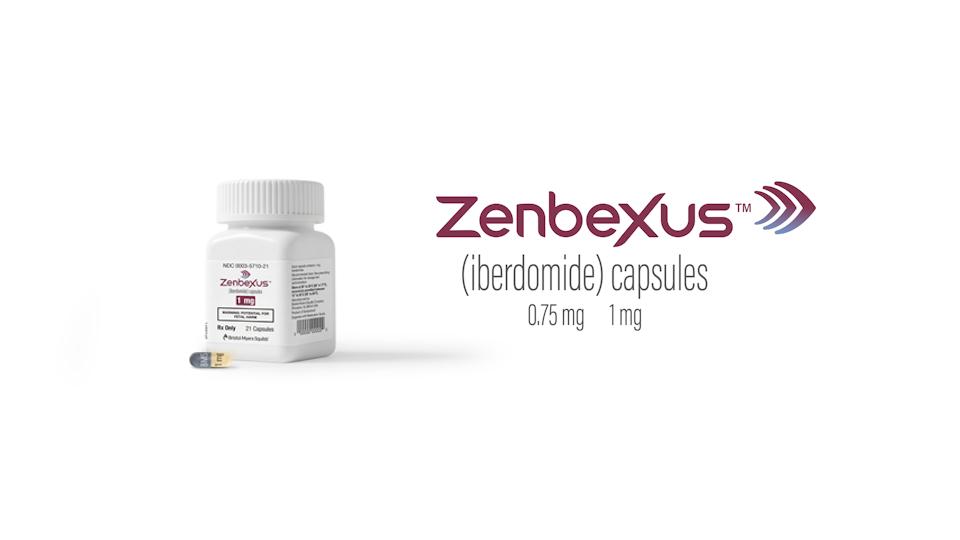
Bristol Myers Squibb's CELMoD pipeline has delivered its first regulatory approval, for iberdomide, as a combination therapy for patients with multiple myeloma.
First-in-class iberdomide has been given accelerated approval under the Zenbexus brand name, alongside Johnson & Johnson and Genmab's Darzalex (daratumumab) and dexamethasone in a regimen known as ZDd, as a second-line or later therapy for the blood cancer.
BMS has three CELMoDs – cereblon E3 ligase modulators – in its R&D portfolio, all of which are derived from its $74 billion acquisition of Celgene in 2019. The company is banking on them to support its multiple myeloma business as it loses market exclusivity for current blockbusters like Revlimid (lenalidomide) and Pomalyst (pomalidomide).
Zenbexus' approval is based on the results of the EXCALIBER-RRMM study, which found a statistically significant improvement in minimal residual disease (MRD) negativity with ZDd compared to the control arm of Darzalex, dexamethasone, and bortezomib, sold as Velcade by J&J and also available generically in the US.
The MRD-negative response rate was 41% with the CELMoD regimen and 21% for the control group in a group of patients previously treated with a proteasome inhibitor and an immunomodulatory agent.
BMS' chief medical officer, Cristian Massacesi, said the approval of the oral therapy "represents meaningful progress for patients living with multiple myeloma and underscores the power of our targeted protein degradation platform, particularly our CELMoD programmes."
Full approval for the drug for this condition will be contingent on the verification of its benefit in confirmatory trials. Meanwhile, BMS's other celmods – golcadomide for lymphoma and mezigdomide for multiple myeloma – are in late-stage clinical testing.
"The goal for every person living with multiple myeloma is not simply to live longer, but to live well," commented Heather Cooper Ortner, president and chief executive of the International Myeloma Foundation.
"That is why it is important to have access to effective therapeutic options, particularly in the community setting where the majority of myeloma care is delivered," she added. "This approval represents an important step forward by expanding treatment options for patients facing their first relapse."
BMS's blood cancer franchise is already being hit by generic competition to Revlimid and Pomalyst, sales of which were halved last year to $2.35 billion and fell 23% to $2.34 billion, respectively, having earned $13 billion and $3.5 billion at their peak.
Analyst forecasts for Zenbexus' peak sales range from a little over $1 billion to $5 billion, while mezigdomide and golcadomide have also been tipped as future blockbusters.
Celgene shareholder lawsuit resurfaces
Meanwhile, in less welcome news for BMS, a $6.7 billion lawsuit accusing the company of illegally withholding a payout to Celgene shareholders, agreed at the time of the takeover, has been revived, according to a Reuters report.
The contingent value right (CVR) payments were tied to possible future approvals of CAR-T therapies Breyanzi (lisocabtagene maraleucel) and Abecma (idecabtagene vicleucel) and multiple sclerosis drug Zeposia (ozanimod).
Shareholders previously accused the company of deliberately stalling progress so they missed payout deadlines, but that action was dismissed in 2024. Now, an appeals court has said that a suit claiming that BMS tried to undermine the CVRs can be pursued.