Bayer deepens China commitment with €500m Beijing manufacturing expansion
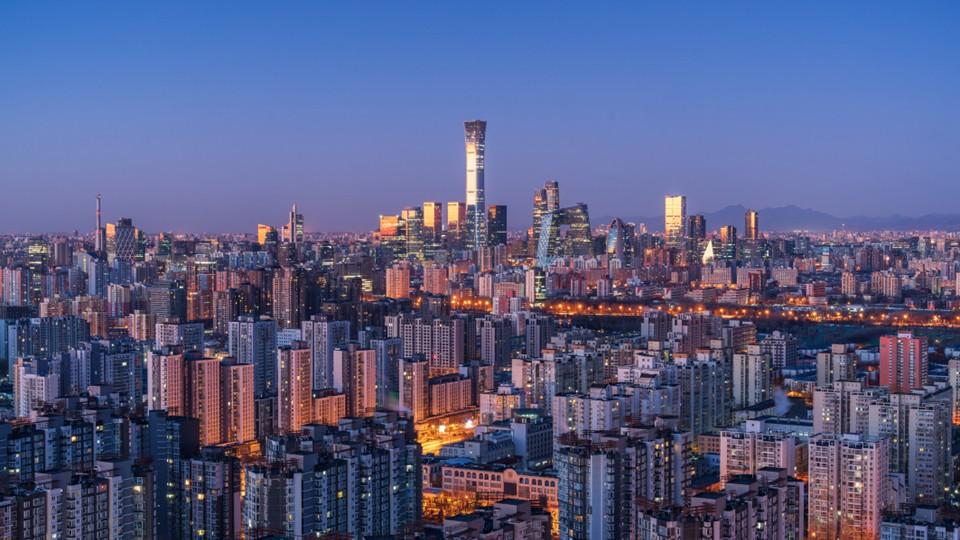
Bayer is investing up to €500 million to expand its Pharmaceuticals Product Supply Center in Beijing, strengthening its manufacturing footprint in one of the world's most important pharmaceutical markets and reinforcing its long-term commitment to China.
The expansion is the company's largest single pharmaceutical investment in China to date and will add manufacturing capacity for cardiovascular medicines before later incorporating high-potency oncology production. The new facility is expected to begin operations as early as 2032 and employ up to 300 people.
The announcement comes during a pivotal year for Bayer in China. Earlier in 2026, the company secured the first global approval for its Factor XIa inhibitor asundexian, marketed as Sunharbo, from China's National Medical Products Administration (NMPA) for secondary prevention following non-cardioembolic ischaemic stroke or high-risk transient ischaemic attack (TIA).
The approval gave Bayer a first-mover advantage over Bristol Myers Squibb and Johnson & Johnson's rival Factor XIa inhibitor milvexian and highlighted the commercial significance of China's cardiovascular market. Stroke remains the country's leading cause of death and disability, with more than 20 million cases recorded and incidence continuing to rise. In the pivotal OCEANIC-STROKE study, asundexian reduced the risk of recurrent stroke by 26% when added to standard antiplatelet therapy, without increasing major bleeding risk.
While Bayer has not directly linked the Beijing investment to asundexian, the expansion comes as the company strengthens its cardiovascular portfolio in a market with substantial unmet need in stroke prevention and chronic disease management. The new facility will initially focus on cardiovascular medicines, a therapeutic area that remains a major healthcare priority in China as the population ages and rates of cardiovascular disease continue to increase.
The oncology element of the project is also significant. China accounts for a substantial share of the global cancer burden and remains one of the fastest-growing markets for innovative oncology therapies. Bayer has said the facility will be equipped in phases to manufacture high-potency oncology products, providing capacity to support future portfolio requirements in the country.
The planned 18,000-square-metre plant will be built at Bayer's existing manufacturing site in Beijing and comprise three independently operated production modules. According to the company, the modular design is intended to provide flexibility as portfolio and market requirements evolve, while supporting resilient supply and manufacturing operations.
The Beijing announcement follows another major manufacturing commitment unveiled by Bayer in October: a $2.2 billion pharmaceutical manufacturing campus in New Albany, Ohio. The US site is Bayer's first major greenfield pharmaceutical production project in North America.
Taken together, the US and China investments highlight Bayer's focus on expanding manufacturing capacity in two of its most important pharmaceutical markets. Executives have emphasised the role of flexible manufacturing capabilities and resilient supply networks in supporting future growth and enabling the company to respond to evolving market demand.
The Beijing project also forms part of a broader commitment to China. Through 2030, Bayer plans to invest around €1 billion across medical capabilities, digitalisation, manufacturing, and supply chain operations as it seeks to expand access to innovative medicines and further integrate China's growing innovation ecosystem into its global pharmaceutical business.