ASH: AstraZeneca's dual-wielding CAR-T shows promise
Less than two years after buying Chinese biotech Gracell for its cell therapy platform, AstraZeneca has reported encouraging clinical results with the lead CAR-T from the deal, GC012F (now AZD0120), for multiple myeloma.
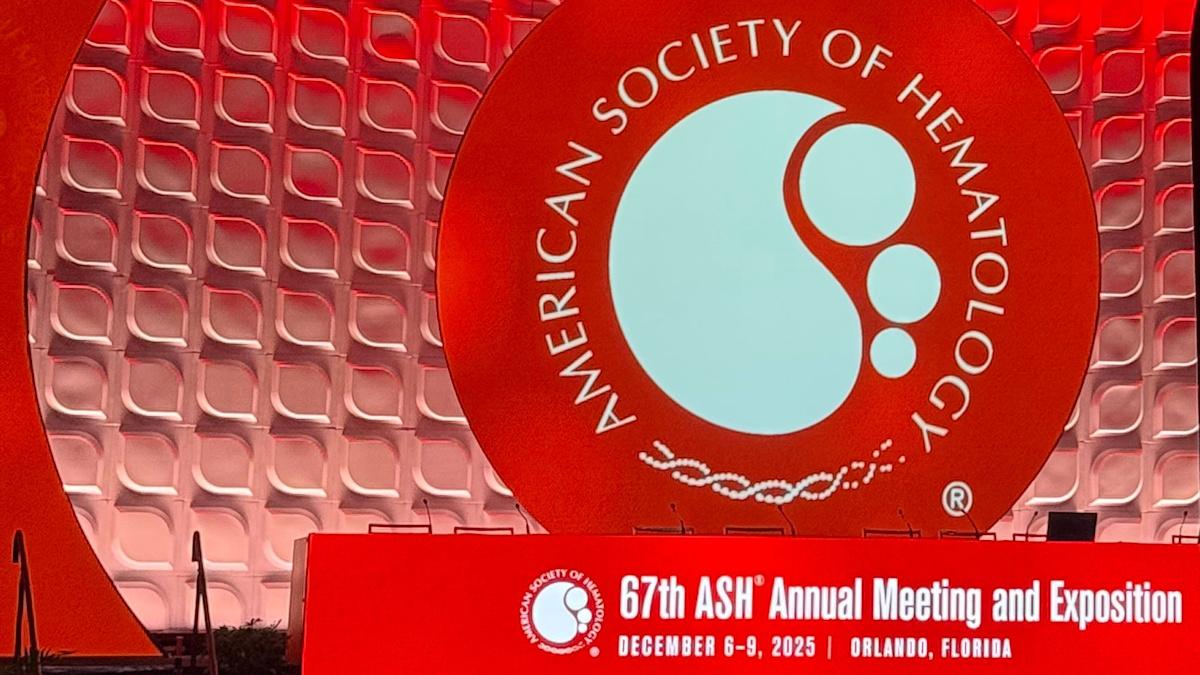
At this year's ASH congress, the results of the phase 1b/2 DURGA-1 of AZD0120 – a dual BCMA and CD19-directed CAR-T therapy – gave the first view of activity in a Western population to complement earlier data drops in Chinese patients.
The open-label, single-arm study, carried out in US patients with relapsed/refractory multiple myeloma – some of whom had been previously treated with anti-BCMA treatment – looked at two dose levels of AZD0120 given as a one-shot therapy.
The results revealed an objective response rate (ORR) of 96%, with a median time to response of 28 days. The combined complete response rate and stringent CR (sCR) rate was 78.3%, while the partial response (PR) rate was 17.4%. It's a strong result, given that the subjects in the trial had been treated with a median of four prior therapies.
Lead investigator Shambavi Richard of Icahn School of Medicine at Mount Sinai told the ASH congress that treatment with the CAR-T was generally well-tolerated – with no deaths, grade 4 or higher infections, or dose-limiting toxicities – adding that it had a profile that made it suitable for outpatient administration.
Median progression-free survival and overall survival (OS) were not reached with a follow-up period of more than 36 months.
Like all CAR-Ts, AZD0120 caused cytokine release syndrome (CRS) – a potentially serious reaction – in around two-thirds (62%) of recipients, with most cases grade 1 and one case grade 2, at the milder end of the spectrum. There were no cases of neurotoxicity, which is another recognised adverse event associated with CAR-Ts.
AZD0120 is based on Gracell's FasTCAR cell therapy manufacturing platform, which enables the therapy to be manufactured in days, whereas other CAR-Ts typically take weeks to produce. It is also being tested in clinical trials in autoimmune disorder systemic lupus erythematosus (SLE) and amyloid light chain (AL) amyloidosis.
AZ paid $1.2 billion to take control of Gracell in February 2024, in a deal that also gave it control of the Chinese firm's TruUCAR technology for making off-the-shelf (allogeneic) CAR-Ts, and SMART CART technology for CAR-Ts that can target solid tumours.
Earlier this year, AZ doubled down on its aspirations in cell therapy by acquiring EsoBiotec, which is focused on in vivo CAR-Ts that do away with the need for lengthy manufacturing processes by reprogramming immune cells inside patients' bodies to produce them. It also has a CAR-T alliance focusing on solid tumours with AbelZeta.