Aicuris acquisition delivers new drug for Asahi Kasei
Asahi Kasei's $920 million takeover of German biotech Aicuris in April has paid off with FDA approval for the herpes simplex virus (HSV) drug at the heart of the deal.
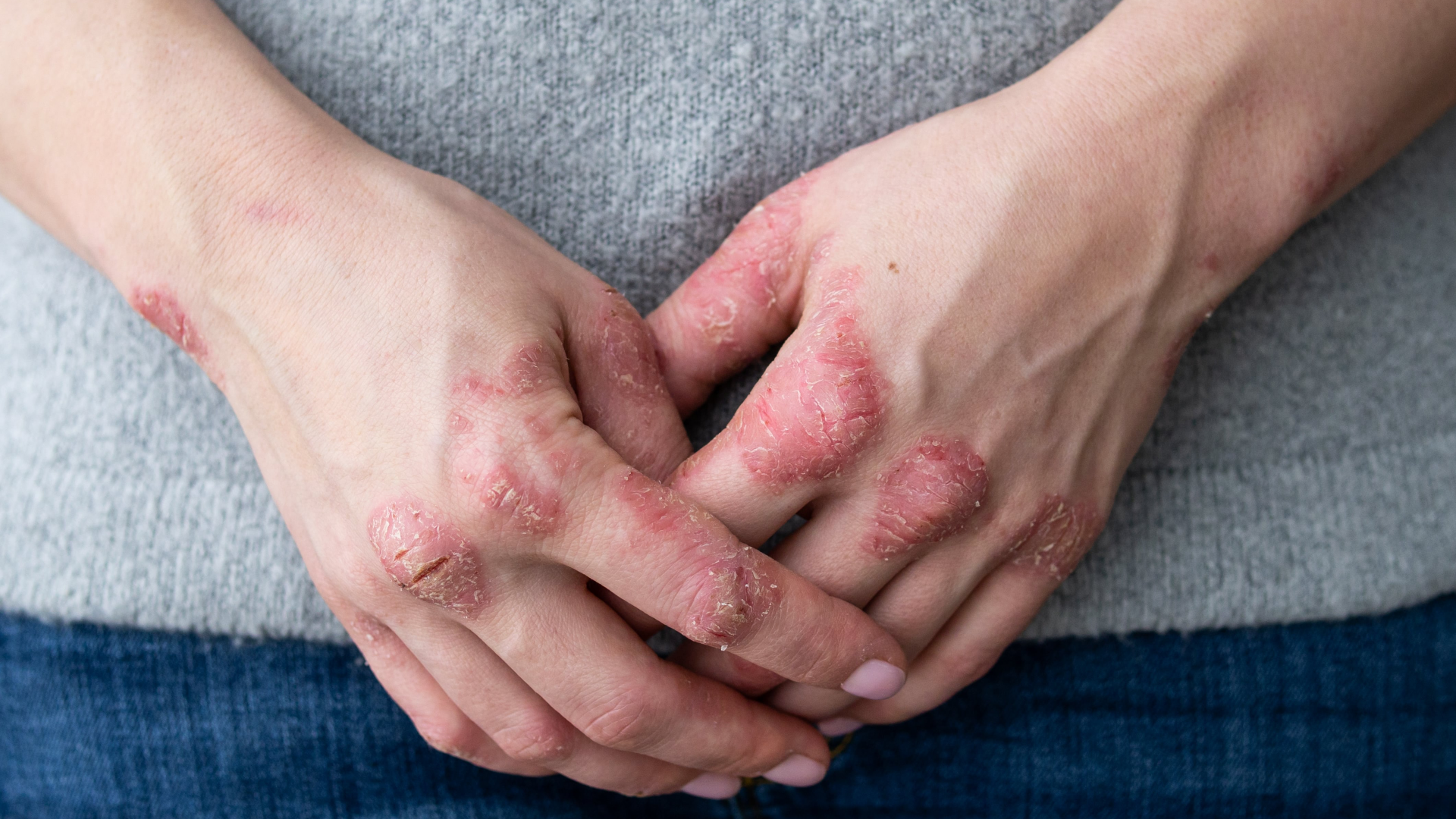
The oral drug, called Hovilpri (pritelivir), has been cleared for treating adults with weakened immune systems who have sores on the skin or mucous membranes – such as lips, nostrils, eyes, and genitals – that are caused by HSV and have not responded to standard nucleoside analogue therapies like acyclovir, valacyclovir, or famciclovir.
Hovilpri, which acts as a helicase-primase inhibitor, represents the first FDA approved HSV therapy with a novel mechanism of action in nearly 30 years, according to Asahi Kasei. It also provides an oral alternative to intravenously administered antivirals used to treat immunocompromised adults with refractory HSV infection, with or without resistance to current drugs.
There are two types of HSV infection – HSV-1 and HSV-2 – which cause common infections like cold sores and genital herpes. Most people are exposed to the virus in childhood and recover from the primary infection, although in many cases the virus lies dormant.
HSV is a major threat to immunocompromised people, as the virus can quickly reactivate and cause lesions that release contagious virus particles.
The FDA approval of Hovilpri draws on the pivotal, open-label PRIOH-1 study, which enrolled 101 immunocompromised adults and compared the drug with investigator's choice of available treatments for up to 28 days until all mucocutaneous lesions healed, which was extended up to 42 days if lesions were improving, but not completely healed, after 28 days.
The primary endpoint was the proportion of participants with all lesions healed during the treatment period up to 28 days, which was achieved in 63% of patients receiving Hovilpri, compared with 34% of patients receiving one of the other medications.
The study recruited adults who had weakened immunity due to a wide range of causes, including haematopoietic stem cell transplants (HSCT) for serious illnesses, various forms of cancer, HIV infection, autoimmune diseases, and solid organ transplantation.
Asahi Kasei said that it expects to launch Hovilpri in the US before the end of the year, but has not released pricing details as yet.
Aicuris, which now operates as a wholly-owned subsidiary of Asahi Kasei, previously developed another antiviral used for HSCT patients, MSD-marketed Prevymis (letermovir), which is used to prevent infection with cytomegalovirus (CMV).
It is also developing AIC468, which aims to prevent and treat BK virus infections in kidney transplant recipients.
Asahi Kasei has a long history in the anti-infectives arena, with products like antifungal Cresemba (isavuconazonium sulfate) and aminoglycoside antibiotic Exacin (isepamicin), and has said that adding Aicuris will help it reach its goal of driving pharma sales to around $1.9 billion) by its 2030 fiscal year.