Adcomm backs Replimune melanoma drug, despite data concern
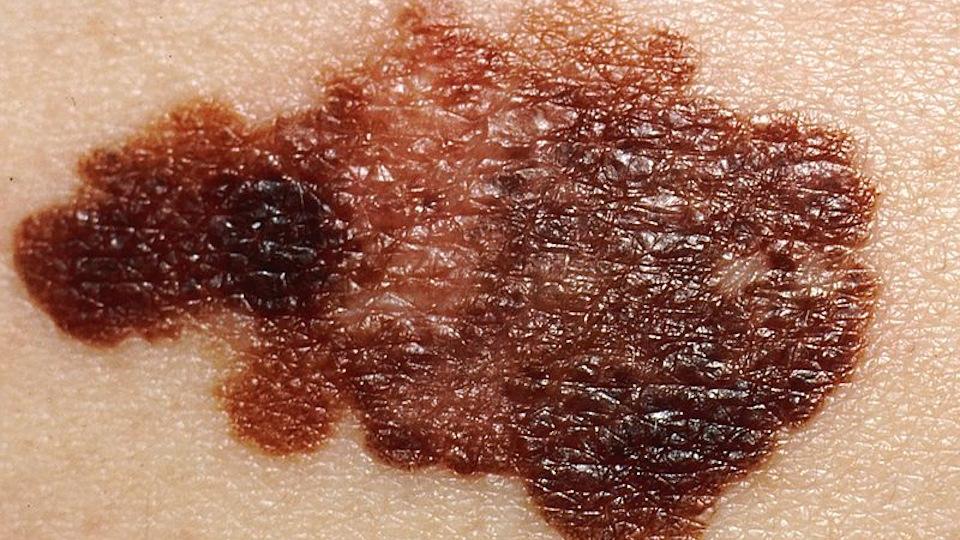
Replimune's immunotherapy for advanced melanoma, RP1, has been backed by an FDA advisory committee, even though there was considerable debate about the design of a clinical trial used to support its marketing application.
The Cellular, Tissue and Gene Therapies Advisory Committee (CTGTAC) voted 10 to three in favour of RP1 (vusolimogene oderparepvec), a herpes simplex virus-based therapy, as a combination therapy with Bristol Myers Squibb's PD-1 inhibitor Opdivo (nivolumab) for patients with advanced melanoma who have progressed on anti-PD-1 treatment.
RP1 has already been turned down twice by the FDA in the last couple of years, so it came as no surprise that the positive advisory panel vote led to a surge in Replimune's share price, which more than doubled in after-hours trading to almost $12.30.
The FDA's reviewers had expressed reservations about RP1 in a briefing document for the meeting, which asserted that the design of the phase 1/2, single-arm IGNYTE trial underpinning the filing had design flaws that could have resulted in an exaggeration of the drug's effectiveness and made some of its findings – including survival data – uninterpretable.
During the meeting, however, many panellists concluded that the efficacy signal in the data – and the pressing need for new treatment options in PD-1-refractory melanoma – meant that there was an argument for flexibility in assessing the data.
One mentioned that the current treatment option for this patient population, Iovance's T-cell-based Amtagvi (lifileucel), is challenging to use because, unlike RP1, recipients have to be fit enough to handle the gruelling lymphodepletion regimen to help make room for the new immune cells.
The vote concluded the efficacy result was "evaluable and clinically meaningful" and should clear the way for accelerated approval while an ongoing confirmatory trial of the therapy, IGNYTE-3, plays out.
IGNYTE showed that patients with confirmed progression on an anti-PD-1-based regimen who received RP1 plus nivolumab had a 34% response rate, with a median duration of 24.8 months, and 15% of them going into complete remission.
Replimune also presented a survival analysis that found that the combination achieved a median overall survival (OS) of 32.9 months, with nearly half (47.8%) of them still alive at three years.
Now, the decision rests with the FDA, which is due to deliver a verdict on the biologics license application (BLA) by 2nd August and has been accused by Replimune of inconsistencies in its communications about the programme.
"We are encouraged by today's outcome and would like to thank the committee for its thoughtful discussion of the IGNYTE data," said Sushil Patel, the company's chief executive.
"This is an important step forward for patients with advanced melanoma who have progressed on anti-PD-1 therapy," he added. "We look forward to continuing to work with the FDA as it completes its review of the BLA ahead of the action date."