Pharma brands face golden opportunity to extend supply chain visibility

I've spent years working on the systems that move medicines from manufacturer to patient. Those systems are impressive, with serialisation, track-and-trace, and regulatory checkpoints layered on top of each other.
And yet, when we surveyed 5,000 patients across the US, UK, France, and Germany, six in 10 told us they worry their medication might not be genuine.
That number confirmed something I've believed for a while: we built the chain to protect the product, not to reassure the person at the end of it. Those aren’t the same thing.
Why doubt is spreading
Illegitimate medicines are not a new problem. Around 10% of medicines [1] sold globally are estimated to be counterfeit or substandard. What's changed is who's being targeted and how visible the risk has become.
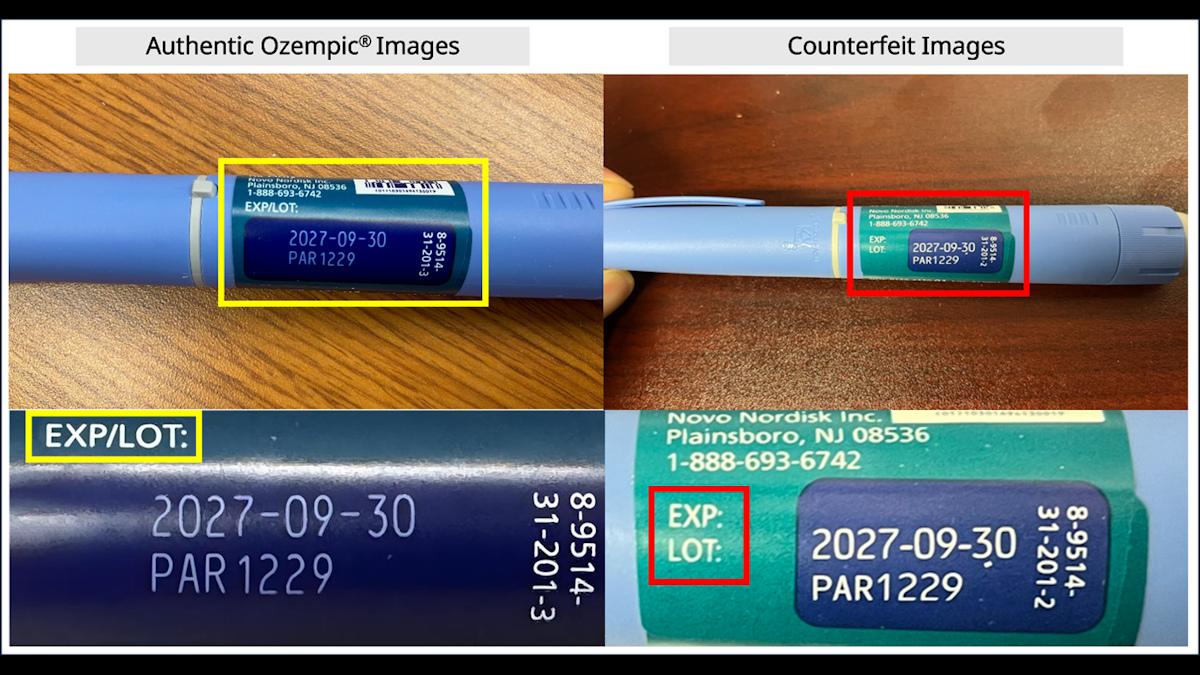
Demand for semaglutide and tirzepatide continues to outpace supply, which can play into the hands of counterfeiters. The FDA [2] and EMA [3] have both issued warnings. Patients know this. When 63% of American respondents in our research say they worry about whether their medication is genuine, they're clearly paying attention to the same headlines we are.
I keep coming back to this thought: the confidence most patients feel boils down to the fragile foundation of some sources of medication today, combined with negative press that is, quite rightly, exposing risk. One regulatory warning, one news cycle, one suspicious package is enough to crack it. Confidence without verification isn't really confidence at all.
The pharmacist used to be the last line of reassurance
A great deal has changed in the dispensing relationship. Until fairly recently, the local pharmacist provided the final trust checkpoint. They knew the patient, knew the prescription, and handed over the medication with a conversation, maybe some advice. That human moment carried real weight.
Our research found that 70% of US and 76% of UK respondents have purchased prescription or non-prescription medicines from online pharmacies. Among those who do, 45% in the US and UK say counterfeit risk is their primary concern, ahead of price or delivery. A package arrives at the door. No one in the supply chain is there to vouch for it.
My advice is to only use licensed pharmacies with verifiable national regulatory approval. Be sceptical of prices that seem too low. Never order from a site that doesn't require a valid prescription. These are basic steps, but in a market where approximately 95% of online pharmacy websites don't meet regulatory standards, according to ASOP Global [4], they matter.
Shouldn’t we work harder to reassure patients about what they’re taking and where these meds came from? The technology to go further already exists. Packaging can now be digitised. In other words, made ‘intelligent’ enough that a patient can verify their medication's authenticity directly from the pack, using the smartphone already in their pocket. Across all the participating regions, 83% of the patients we surveyed say they want exactly that capability. The demand is there. Widespread deployment isn’t quite yet.
Vital product and dosage information could be reaching the patient
The EU Falsified Medicines Directive and the US Drug Supply Chain Security Act have made the supply chain substantially safer. I don't want to minimise that, but those frameworks were built to protect the chain, not to inform the patient. The data generated by serialisation never reaches the person taking the medicine.
In our research, 37% of patients say they receive little or no supply chain information about their medication. No surprise then, that the survey points to a growing demand to make medicines traceable and verifiable from source to patient.
Some 82% of respondents express interest in digital guidance on how to correctly take medication via their smartphone, triggered by scannable labels. Over three-quarters (76%) want to know where their medicine came from, how it was stored, and when it expires.
That information exists inside the system. It just stops before it reaches them.
People are understandably seeking greater confidence in the medicines they take. They're ready for technology that verifies authenticity and provides helpful information directly from the product itself.
References
[1] https://www.who.int/news-room/fact-sheets/detail/substandard-and-falsified-medical-product
[2] https://www.fda.gov/drugs/drug-alerts-and-statements/fda-warns-consumers-not-use-counterfeit-ozempic-semaglutide-found-us-drug-supply-chain
[3] https://www.ema.europa.eu/en/news/ema-alerts-eu-patients-healthcare-professionals-reports-falsified-ozempic-pens
[4] https://asopfoundation.pharmacy/
About the author
 Barbara van Rymenam is senior director of healthcare at Avery Dennison. She works closely with leaders across pharmaceutical, medical devices, and solution providers serving healthcare organisations – all of whom are using digital product identities. Much of her time is spent with product owners and senior leaders in packaging, operations, anti-counterfeit, manufacturing, and with system integrators. Van Rymenam is focused on protecting patient safety at scale, serving leadership with trusted data and improving efficiency through innovative solutions. Her background spans innovation strategy, partnership development, marketing and commercial roles, and cross-functional leadership in highly regulated settings. Van Rymenam cares deeply about how healthcare systems evolve without compromising what matters most.