Built around the NHS ward: 5 Norwegian healthtech innovators

Norway currently ranks first in the world for patient safety; the UK sits 21st. That gap, set out in the Global State of Patient Safety 2025 report from Imperial College London's Institute of Global Health Innovation and Patient Safety Watch, often leads leaders to look abroad to study how the best-performing health systems operate and to replicate what works.
Across the UK, patients are already benefitting from Norway's world-leading solutions. Norwegian healthtech companies are operating inside NHS trusts – tackling everyday problems that shape care.
Calmer wards through silent alerts
Alarms, call bells, equipment, and overlapping conversations are the background noise on most hospital wards. This fragments sleep, heightens stress, and adds to the alarm fatigue that wears down staff across long shifts. DNV Imatis, a Norwegian digital health subsidiary of the DNV assurance group, aims to remove this background chatter and make wards quieter and calmer.
Its 'Silent Hospital' approach swaps audible call bells for discreet, prioritised alerts sent straight to staff members' work phones – routed by both urgency and role, so only the person who needs to respond is contacted. How much sound remains is up to each Trust. Some silence the ward completely, relying on escalation rules that forward an unanswered alarm to the next available team member within a set timeframe, so no alert is ever left unresolved.
At Royal Cornwall Hospitals NHS Trust, a six-month evaluation on a 25-bed postnatal ward put the technology to the test, and the results speak for themselves. Ward noise fell by 50%, roughly halving the sound perceptible to the ear; the proportion of patients reporting a good night's sleep rose by 9%; and average length of stay fell by half a day, with the freed capacity on the ward valued at an estimated £75,000 a year.
Finding equipment before it is missed
Searching for equipment is one of the least visible drains on hospital time. Misplaced items delay treatment, and lost minutes mount: in one study, eight theatre staff spent nearly four hours between them searching for equipment across a single shift, time hospitals can't afford to lose. Sonitor Technologies tackles this with real-time location technology that tracks staff, patients, and equipment to the room, bay, and chair level, and ends the daily hunt for vital equipment that should be close at hand.
The technology combines ultrasound with Bluetooth Low Energy, RFID, and other methods to achieve sub-metre accuracy. In settings like intensive care and interventional radiology, where equipment location can't afford to fail, Wi-Fi and Bluetooth-only systems degrade under radio-frequency interference – Sonitor's blended approach removes this interference, so the location it gives staff stays accurate no matter how busy the ward gets.
In 2023, Hull University Teaching Hospitals rolled out Sonitor's technology as part of its Scan4Safety asset-tracking programme – one of the largest of its kind in European healthcare – tagging more than 72,000 items, so any can be found in seconds. The impact is striking: since deployment, the average time to find items has fallen from around 14 minutes per shift to under four minutes, saving the trust an estimated 87,500 staff hours a year and paying for itself within two years. Sonitor delivered the programme as Tagnos, which it merged with in 2025.
Putting data back in clinicians' hands
Clinical research and audits across the NHS often run into the same bottlenecks: teams know exactly what data they need, but have to work with complex vendor-led infrastructure to access it. As a result, studies stall in procurement before they've even started. Ledidi, an Oslo-based platform company, removes that bottleneck by providing clinicians with the tools to design, run, and analyse their own studies, capturing the information that matters for their audit or study.
The platform covers the full spectrum of clinical research, from interventional trials and real-world studies through to ongoing registries and NHS audit programmes. Whether a trust is running a one-site feasibility study or coordinating data collection across multiple sites, the same platform scales to fit.
They have already supported multi-trust oncology audits across the NHS, including CONCISE, a real-world study of early breast cancer treatment spanning 21 NHS trusts across all four UK nations and more than 1,000 patients. Each trust adapted the framework to its own workflows, feeding data into a shared pool that all sites could analyse together, enabling clinicians to benchmark against the national picture and feed findings directly back into care. Through conventional infrastructure, the CONCISE audit would typically have taken a year. With the platform, the lead oncologist estimated it took around four months.
Designing workforce readiness around clinical practice
Hospitals depend on knowing that every clinician has the right competencies, certifications, and authorisations before delivering care. Yet, this information is often spread across spreadsheets, paper records, and disconnected systems, leaving managers without a reliable view of workforce readiness.
Dossier brings competency, compliance, and workforce readiness into a single platform, integrating with existing HR and learning systems, rather than creating another silo. Leaders gain real-time visibility into who is qualified, where capability gaps are emerging, and which competencies require renewal, enabling targeted development before patient care is affected.
By automating documentation, reminders, and audit preparation, Dossier reduces administrative burden while strengthening patient safety, regulatory compliance, and operational readiness.
Closing the gap between eye appointments
Eye care often runs on snapshots: a patient with a chronic condition is seen, examined, and sent away with little to no follow-up until the next appointment, often months away. In that gap, gradual decline or emerging symptoms can go unnoticed until they surface at the next check-up, by which point the chance for early intervention has already passed. Medicue, founded by a Norwegian physician, challenges that model by introducing longitudinal monitoring that runs alongside a practice's existing systems.
Medicue's platform uses digital tools to capture patient data between visits. Patients receive short, structured check-ins on their phone – a handful of questions about their symptoms, answered in a couple of minutes – and responses are scored automatically. When symptoms worsen, the system signals the clinician and prompts a call or appointment. When nothing changes, it confirms the patient is stable, and the review can wait, sparing a precautionary appointment that adds no clinical value.
For patients with conditions such as dry eye disease that fluctuate day to day, or contact lens wearers prone to discomfort they might otherwise not mention, these check-ins give them a way to flag issues as they happen, rather than wait for the next appointment. For clinicians, continuous data capture enables earlier intervention, better adherence, and a more data-informed view of how conditions progress.
A common thread
The world's best healthcare systems aren't the ones with the most resources; they're the ones that solve everyday problems well. Norway has led on this for years, as reflected in its world-leading number-one ranking for patient safety – now the UK is benefitting directly. The companies in this piece aren't developing hypothetical fixes the NHS could adopt one day; they're already working inside NHS trusts, solving real problems, and delivering results.
About the author
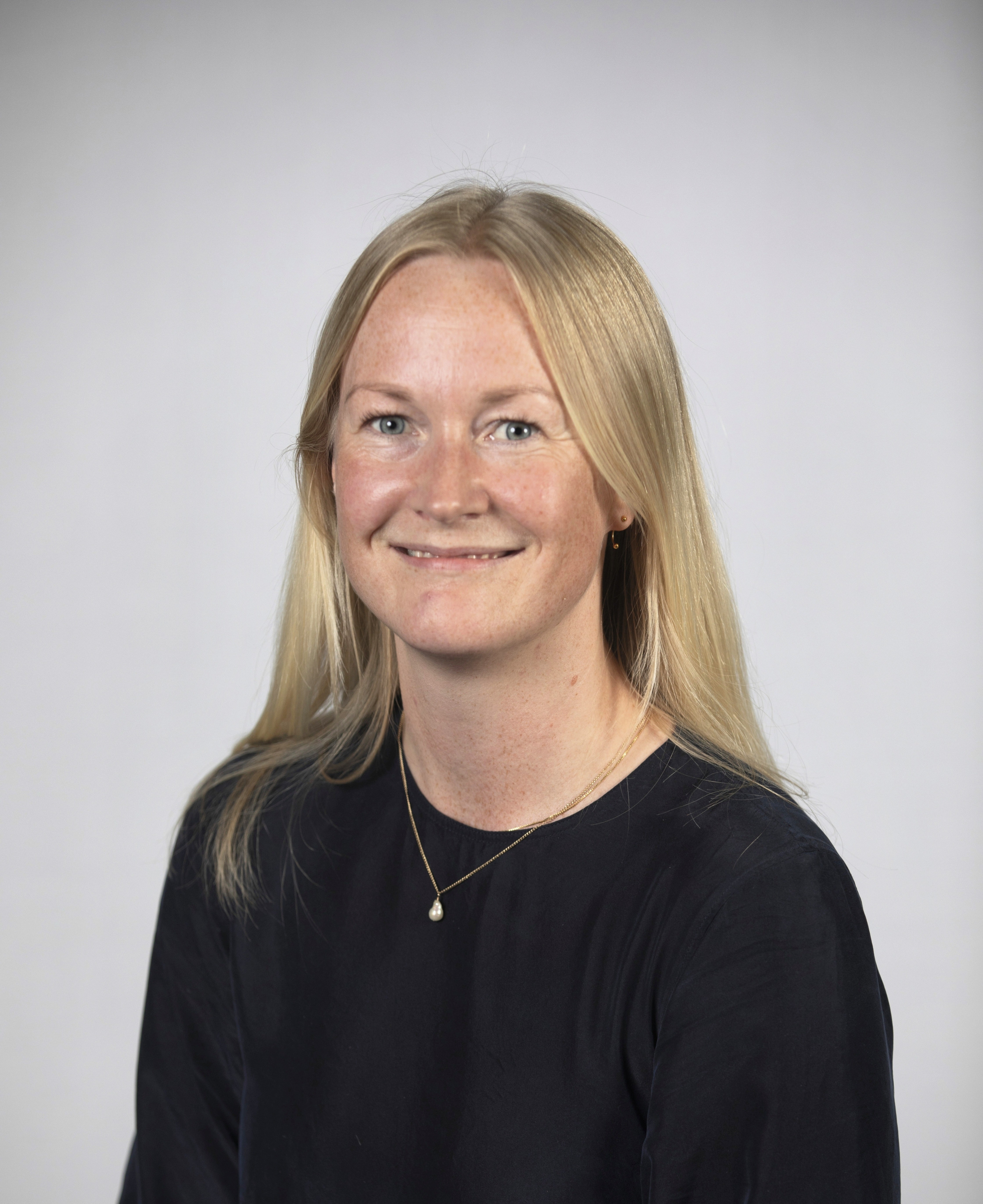 Maren Jervell Lund is a senior advisor at Innovation Norway UK, the Norwegian Government’s official trade representative. She has spent over seven years supporting Norwegian health and tech companies navigate and grow in the British market. She also plays a key role in Innovation Norway's TEA (Tech Executive Accelerator) programme in London, supporting Norwegian AI and technology scale-ups, and serves as a deputy board member of Innovation Norway. Before moving to London, she worked with communication across sectors in Norway. She holds a Master's degree in Journalism and two BAs from the University of Oslo.