Dr Nathan Goodyear: Why early-onset cancer demands a new approach to treatment
If asked to imagine what a person living with cancer looks like, odds are most of us would conjure up a picture of an older individual, probably over the age of 50. But cancer in younger adults has been rising at alarming rate.
The problem is that many of today's treatment pathways were developed around older patient populations, with the focus being on quantity of survival, rather than quality. However, for people in their 20s, 30s, and 40s, survival is only one measure of success. Many face decades of life after treatment, making organ function and long-term health important considerations alongside eliminating the disease.
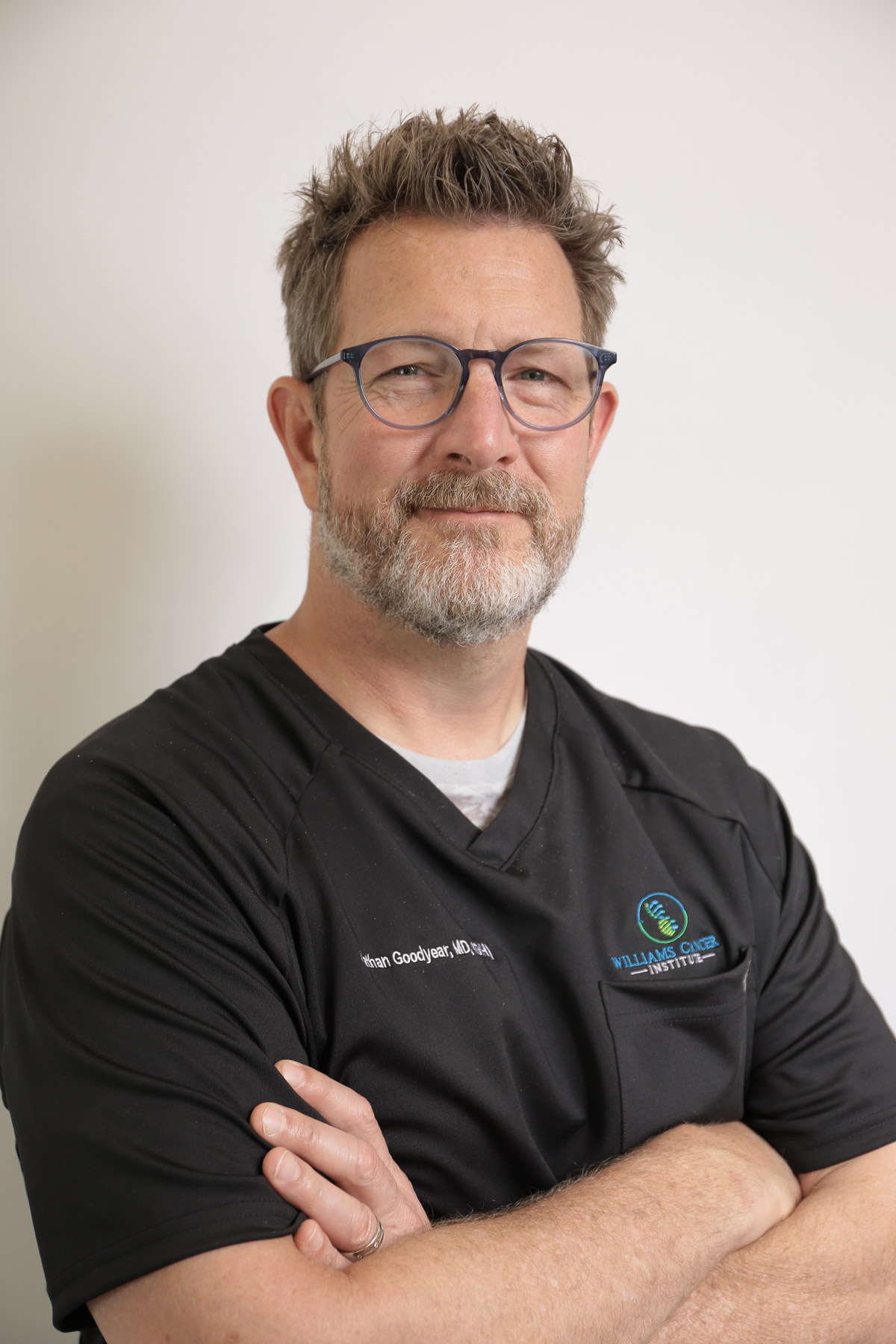
Dr Nathan Goodyear, an integrative medicine physician at Williams Cancer Institute, believes this changing patient population requires a more personalised approach to cancer care. Speaking to Deep Dive, he discusses why precision medicine could reshape treatment decisions, how healthcare systems must adapt, and why improving quality of life should become a central goal of oncology.
Why are we seeing more cases of early-onset cancer?

We have to understand that it’s not just that we are seeing cancers occurring in the second, third, and fourth decade of life that were previously seen in the sixth and seventh decades. Research is actually telling us that these cancers are more aggressive as well.
The British Medical Journal identified 11, basically, early-onset, more aggressive tumour types. The CDC identified 13 obese-associated cancers, where there was a tripling of the age-adjusted mortality rates from 3.73 to 13.52, but of the 11 and the 13, 10 directly overlapped.
What that tells me is that we are seeing changing cancer demographics. Though it may carry the same name, it's behaving like a new cancer altogether.
We do have precedents for this. There was the Lancet Journal article published in 2019 called the Prospective Urban and Rural Epidemiology Study, which found that cancer surpassed cardiovascular disease as the number one cause of adult mortality in high-income countries. That came before what we're seeing in the 2023 British Medical Journal, what we're seeing in the 2025 CDC.
What that clearly shows is, okay, there are instances where absolutely we are winning the “war on cancer”, but at the same time, what we now have is the emergence of a new type of cancer that is very different than maybe the cancer of our grandparents. There's one central theme there: obesity.
Now, is obesity the causation, or is obesity merely a biomarker of basically accelerated ageing and accelerating metabolic, immunologic, microbiome, hormonal metabolic collapse?
I believe it’s the latter. Obesity is like the canary in the coal mine. It reflects deeper biological changes that are accelerating ageing at the micro level and altering the environment in which cancer develops. I believe that's why we're seeing changing cancer demographics and the emergence of cancers that behave differently from those that previous generations experienced.
Why do younger adults with early-onset cancer require different treatment approaches from older patients?
It’s a different kind of cancer. These cancers aren't originating from the same biological template we've historically seen.
We know that the gut microbiome of children today is not healthy. How do we know that? Findings from the My Baby Biome study following the gut microbiome of children from the ages of three months up to seven years in the US. Updated two-year data from the study showed that 25% of those children were completely absent of Bifidobacterium taxa, which means we have an extinction event in the gut microbiome that is critical to immune priming and immune maturation.
What we have here is an environment, whether that be microbiome, whether that be immunologic, whether that be metabolic, where the conditions coming together here are very different than that that precedes the prior generations.
We're also seeing dramatic increases in obesity, which is another signal that deeper biological processes are being disrupted. Those underlying changes may help explain why we're seeing younger patients present with more aggressive cancers.
How should treatment evolve as more younger adults are diagnosed with cancer?
The good news is that we sit at a time where we're moving from the era of old, one-size-fits-all approaches, towards a more personalised approach. Surgery, chemotherapy, radiation, now immunotherapy – those still have benefits, there's no question about that.
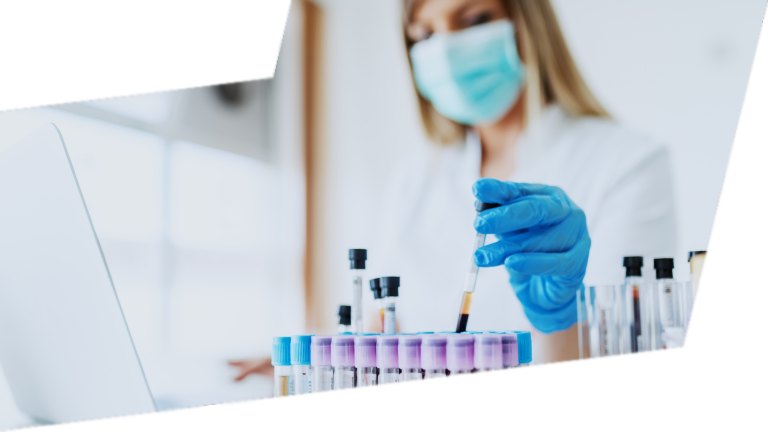
You hear the accolades for the daraxonrasib, for the pan-KRAS inhibitors, all kinds of exciting things that are happening, but we've got to get into that precision mould, and it's actually built on a new platform, if you will, of multiomics.
We need to be asking,“What is the environment of that individual from a genetic, epigenetic, transcriptomic, proteomic, metabolomic, immunomodulomic, or microbiomic viewpoint?” because it's that unique environment that is leading to that unique disease.
Now, it's not just something about the terrain of the individual, of the gut, of the immune system, peripherally, but what's going on in the heterogeneity that exists in the tumour microenvironment and tumour immune microenvironment.
We are now stepping into that space where we can create the right treatment for the right patient, the right combination, at the right place, at the right time. That is precision cancer care, and that's where we're going, and that's what's going to be required, I believe, for the changing demographics of cancer that we're facing.
Are healthcare systems ready to deliver that level of precision?

They’re not. Not yet.
What we've had since World War II is basically a war mentality concept with cancer. You see that. Patients go, "Fight, fight, fight, fight; win, win, win, win; go to war." President Nixon, in 1971, declared war on cancer. I'm not sure that there's been any other disease that had a war declared on it. People talk about no forever wars, yet, we've been fighting a forever war with cancer since 1971. Yes, we've had some victories, but we're now seeing that there're some problems emerging.
What we need is a framework of thinking that is different. But that doesn’t mean that we abandon the old – it means we bring these alongside.
The partners, the relationships are being built right now. The science is being developed and being advanced. That is going to then align and basically integrate with the standards of old, that is the conventional standard treatment, and it's going to help us to bridge into this new era of precision cancer care that probably will move into the new era more strongly, and then some of the old will drift away as we provide better targeted therapies that improve the quality and life of the individual, but don't deter it.
How do you balance efficacy with long-term quality of life in younger patients?
People undergo cancer treatment because they want to live. That seems very obvious, yet, what's the quality of that life?
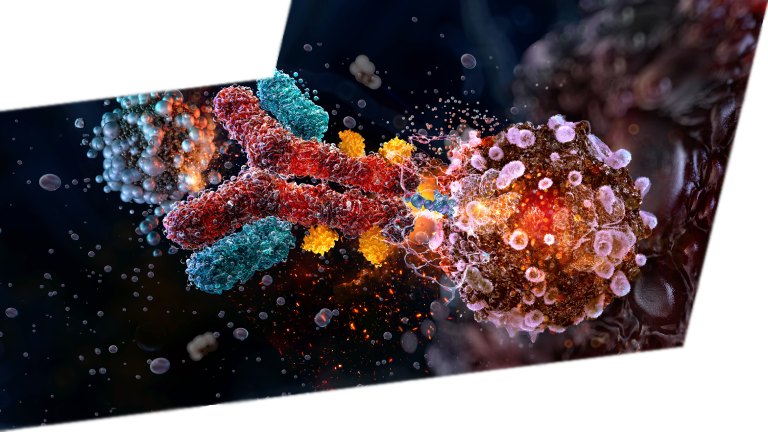
One challenge with many systemic therapies is that only a small proportion of the drug ultimately reaches the tumour. Even then, it still has to penetrate the tumour itself and overcome barriers created by the tumour microenvironment.
That means we also need to rethink how therapies are delivered.
We have to step back and say, "We need to heal the patient at the same time," because if we target the tumour for destruction, take, for example, chemotherapy, it does great damage to the immune system long-term and in the short-term. It can lead to lymphopenia. When you have lymphopenia in cancer, that means you have worse outcomes. If we use chemotherapy and it shrinks a tumour, yay, that's fantastic. But it targets rapidly dividing cells and immune cells also happen to be some of those rapidly dividing cells.
We can't just accept short-term gains for long-term losses. We've got to attack both. That holistic vision, I think, that's where integrative oncology comes in.
Where can relatively simple interventions improve outcomes?

Exercise. It seems to be very simple, but doctors don't prescribe it.
Then, if a patient, say a 35-year-old diagnosed with colorectal cancer, goes, "Doc, should I exercise? Should I eat right?" and are told "No, that plays no role," then they won’t engage.
Those are simple tools that can affect overall survival, cancer-specific survival, and actually efficacy, but also improve quality of life.
However, if doctors engage and say, "I'm going to prescribe you this exercise programme because of this 2025 study," and there's also an OPTIMIST study that showed it improves immunotherapy within the tumour, patients might take that more seriously. Then, we can actually work on improving the quality of life.
If we have declining metabolic fitness, so, say we have a declining distance that a patient can walk over six minutes, that means that patient's more likely to have cancer progression, survival decrease. If we can change that with those steps, and so what I'm saying is we start in areas like that, but we'd expand that process across the board.
What would a more personalised treatment strategy look like for younger patients?

It's not an either-or, it’s a case of, “What do we need at the time?” If we have a patient that's on immunotherapy, which is what we do, then is full-dose chemotherapy systemically the right choice? Because if they, for example, have absolute lymphocyte count that's 0.6, so they're lymphopenic, is full-dose chemo the right choice that's going to drive that lymphopenia down? Is it better to say, "Let's do a lower-dose chemo that becomes more immunomodulatory, can actually support the immune system, not destroy it, as we try to boost the lymphocytes"?
We'll retain some of that direct anti-tumour cytotoxic effect, but we'll lose some of the aggressive nature of it. It now becomes immune-supporting. It actually even expands to become anti-angiogenic, which is not typically a part of the full-dose chemo regimen. It has to require that precise nature, but it has to require us to step away from that protocology, if you will, which is, "Okay, here's the stage, here's the name of the disease, here's the protocol."
We don't abandon the therapies of old because we are entering a new era. We must use precision and really stack the therapies together for the purpose of providing those to, "What is the tumour?" Not, "What is the name of the tumour?", not, "What is the name of the protocol?", but, "What is the tumour specifically?"
Where do you see the next major advances coming from?
I think we're going to move from the systemic-to-tumour approach, to more of a tumour-to-systemic approach. When you look at surgery, chemotherapy, and radiation, and even systemic immunotherapy to a degree, and targeted therapy, these don't really create memory.
What if, instead of going systemic to tumour, we were able to go to the tumour, engage the immune system, activate it, allow the immune system to do the heavy lifting of attacking the tumour, and then move systemically? Now, it becomes memory.
Now, we're moving into a different era, and I think we're on the cusp of that. You're starting to see a lot of research there. That is another area that I'm super, super excited about. That the younger generation that's dealing with cancer are going to get to be able to benefit from that and other advancements that will be forthcoming.
About the interviewee
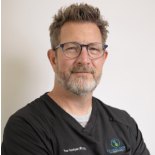
Dr Nathan Goodyear is an integrative medicine physician at Williams Cancer Institute with more than 15 years of experience in integrative oncology. Board-certified in obstetrics and gynaecology and a Fellow in functional and regenerative medicine, he joined Williams Cancer Institute in 2024 to advance innovation in cancer care. Dr Goodyear is a sought-after speaker and author of three books, including Breaking the Cancer Code: 7 Next-Gen Integrative Oncology Therapies, and is widely recognised for his expertise in high-dose IV vitamin C, low-dose metronomic chemotherapy, insulin potentiation therapy, and hyperthermia. He is a passionate advocate for patients and physicians seeking integrative approaches to cancer treatment.

About the author
Eloise McLennan is the editor for pharmaphorum’s Deep Dive magazine. She has been a journalist and editor in the healthcare field for more than five years and has worked at several leading publications in the UK.
Supercharge your pharma insights: Sign up to pharmaphorum's newsletter for daily updates, weekly roundups, and in-depth analysis across all industry sectors.
Click on any of the images below for more articles from this edition of Deep Dive: Oncology 2026
.jpg)
.jpg)
.jpg)
.jpg)
.jpg)
Want to go deeper?
Continue your journey with these related reads from across pharmaphorum


Why is colorectal cancer rising in younger age groups?
Biosimilars unlock use of bevacizumab in bowel cancer by NHS
Moderna jab on trial for cancer-causing syndrome
ASCO 2026 reshapes oncology trial design