
Cancer misinformation is a trust problem, not just an information problem
As practising oncologists, we've seen firsthand how a cancer diagnosis changes the way patients engage with information. Cancer doesn't simply scare people, it destabilises them. The moment patients hear the diagnosis, the ground shifts beneath them. Every decision suddenly feels high-stakes, and many begin searching for answers long before they have fully processed the news.
Today's patients have access to more health information than ever before. Yet, alongside credible educational resources exists a growing ecosystem of misinformation, ranging from misleading wellness claims to outright false promises of cancer cures. While misinformation affects nearly every area of healthcare, oncology presents unique challenges. Cancer is deeply emotional, highly complex, and often associated with uncertainty, all factors that can make patients particularly vulnerable to misleading information.
The challenge facing healthcare today is not simply that misinformation exists. It is that misinformation often addresses emotional needs faster and more effectively than traditional healthcare communications do. If we hope to combat its impact, we must first understand why it spreads.
Cancer patients are especially vulnerable to misinformation
A cancer diagnosis creates an immediate need for certainty, control, and hope. Unfortunately, evidence-based medicine often cannot provide definitive answers. Oncology discussions are filled with probabilities, risk assessments, treatment options, and evolving data. Patients want reassurance, while medicine can only promise transparency.
This creates an opening for misinformation.
Many misleading cancer narratives position themselves as offering what conventional medicine cannot: certainty. Patients encounter headlines claiming a specific supplement can cure cancer, that a particular food can "starve" tumours, or that physicians are withholding information about alternative treatments. These messages can be particularly compelling when patients are facing difficult treatment decisions and are understandably concerned about potential side effects.
In our practices, we have seen situations where patients delayed evidence-based treatment in favour of unproven therapies. In one case, a patient diagnosed with potentially curable pancreatic cancer postponed treatment while pursuing alternative approaches she had encountered online. By the time she returned to care, the disease had progressed, limiting her options and fundamentally changing the course of treatment. While every patient's journey is unique, these experiences illustrate the very real consequences misinformation can have on outcomes.
Importantly, this is not simply an educational problem. It is a psychological and emotional one. Patients are not seeking misinformation because they are uninformed or irrational; they are often seeking hope, agency, and reassurance during one of the most difficult periods of their lives.
The misinformation landscape is becoming more sophisticated
Cancer misinformation is not new, but it is evolving.
Historically, many false claims centred around broad conspiracy theories or generic promises of alternative cures. Today's misinformation environment is far more targeted and personalised. Content is increasingly tailored to specific cancer types, stages, demographics, and patient concerns.
Social media platforms have accelerated this shift. Algorithms tend to reward emotionally charged, highly shareable content. A sensational video claiming a specific food can eliminate cancer cells can reach millions of viewers before evidence-based experts have an opportunity to respond.
At the same time, the line between legitimate wellness discussions and misinformation has become increasingly blurred. Lifestyle interventions, nutrition, exercise, and supportive care all play important roles in comprehensive cancer care. However, misinformation often takes kernels of legitimate scientific discussion and presents them as substitutes for evidence-based treatment, rather than complements to it.
Adding to the challenge is the growing role of artificial intelligence (AI).
Many patients are now turning to AI-powered tools to learn about diagnoses, treatment options, and side effects. In some ways, this is encouraging. Patients often arrive better informed and better prepared to ask thoughtful questions. These conversations can strengthen shared decision-making and improve engagement in care.
However, AI tools face an important limitation: they lack the clinical context required to personalise recommendations. They do not know a patient's stage of disease, treatment history, comorbidities, molecular profile, or risk factors. As a result, patients may receive generalised information that they then attempt to apply to highly individualised situations. This gap has the potential to create confusion and, in some cases, real harm.
Why correcting misinformation alone is not enough
One of the greatest challenges in addressing cancer misinformation is speed.
False claims can spread across social media platforms within hours. By the time accurate information has been reviewed, fact-checked, and published, the original claim may have already shaped how thousands of patients think about their disease and treatment options.
The problem is not only the volume of misinformation, but its normalisation. Repeated exposure can transform fringe ideas into accepted narratives within patient communities. Once misinformation becomes part of a shared understanding, correcting it becomes significantly more difficult.
This dynamic highlights an important reality: combatting misinformation cannot rely solely on fact-checking. By the time a false claim is corrected, the emotional connection may already have been established.
What the pharmaceutical industry can do
The pharmaceutical industry cannot solve this challenge alone, but it has an important role to play.
- Reach patients earlier
Many patients encounter misinformation during the critical period immediately following diagnosis, before treatment plans have been finalised. Industry has an opportunity to support the development of accessible, patient-centred educational resources that help individuals navigate this vulnerable stage with credible information. - Support trusted communicators
Research consistently shows that patients place tremendous trust in oncologists, oncology nurses, patient advocates, and community leaders. Yet, many healthcare professionals receive little formal training in how to effectively address misinformation. Supporting communication training, educational tools, and patient engagement resources can help trusted voices have more productive conversations about difficult topics. - Simplify scientific communication
Patients searching for answers at two o'clock in the morning are not reading clinical trial manuscripts. Scientific accuracy remains essential, but information must also be understandable, relevant, and accessible.The industry should continue investing in resources that translate complex science into language that patients and caregivers can meaningfully use. - Engage with emerging AI platforms
Much of today's conversation focuses on social media, but the next frontier may be AI-powered information tools. Industry leaders should actively explore ways to ensure these systems are informed by credible, current, evidence-based clinical information so that patients receive accurate guidance when seeking answers. - Prioritise trust above all else
Perhaps most importantly, trust must remain the foundation of every communication effort. Patients can quickly recognise when information feels promotional or incomplete. Transparency around risks, uncertainty, and limitations is not a weakness; it is essential for building credibility.
Cancer misinformation is often described as an information problem. In reality, it is a trust problem.
Patients facing life-changing diagnoses are searching not only for facts, but also for hope, certainty, and community. Misinformation frequently succeeds because it addresses those needs directly, even when the information itself is inaccurate.
Addressing this challenge will require collaboration among healthcare providers, patient advocates, researchers, policymakers, technology companies, and the pharmaceutical industry. No single stakeholder can solve it alone.
The opportunity for industry is not simply to correct false claims after they emerge. It is to help create a healthcare information ecosystem that patients trust before misinformation ever takes hold. If we can provide patients with credible, accessible, and compassionate information when they need it most, we can support better decision-making, strengthen trust, and ultimately improve outcomes.
About the Authors
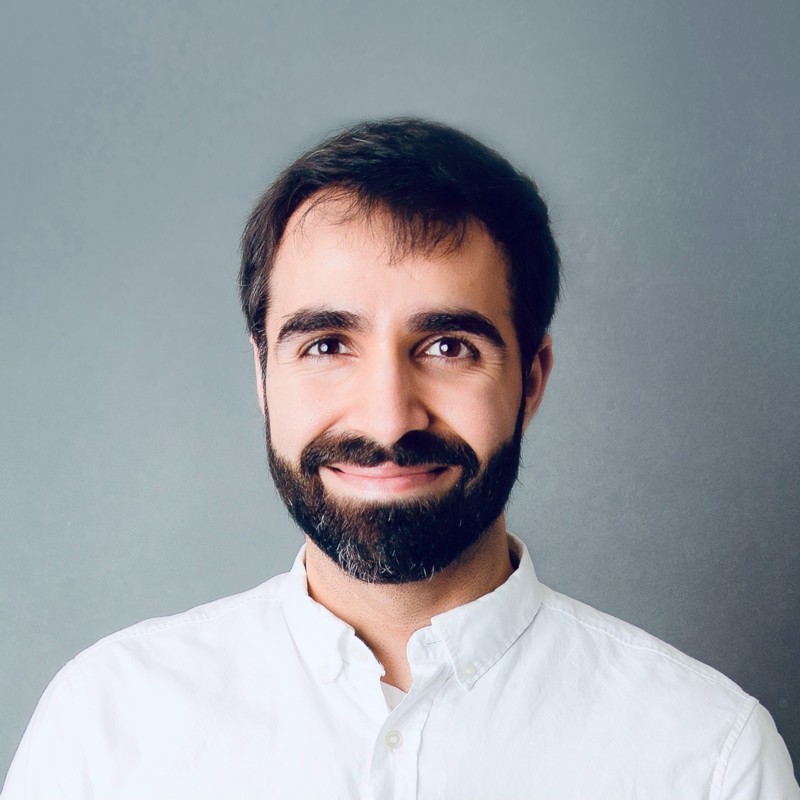
Rahul Gosain
Rahul Gosain is a medical director of Wilmot Cancer Institute at Webster, Director of Wilmot Cancer Institute Regional Infusion services, and a clinician specialising in a wide variety of solid and hematologic malignancies.
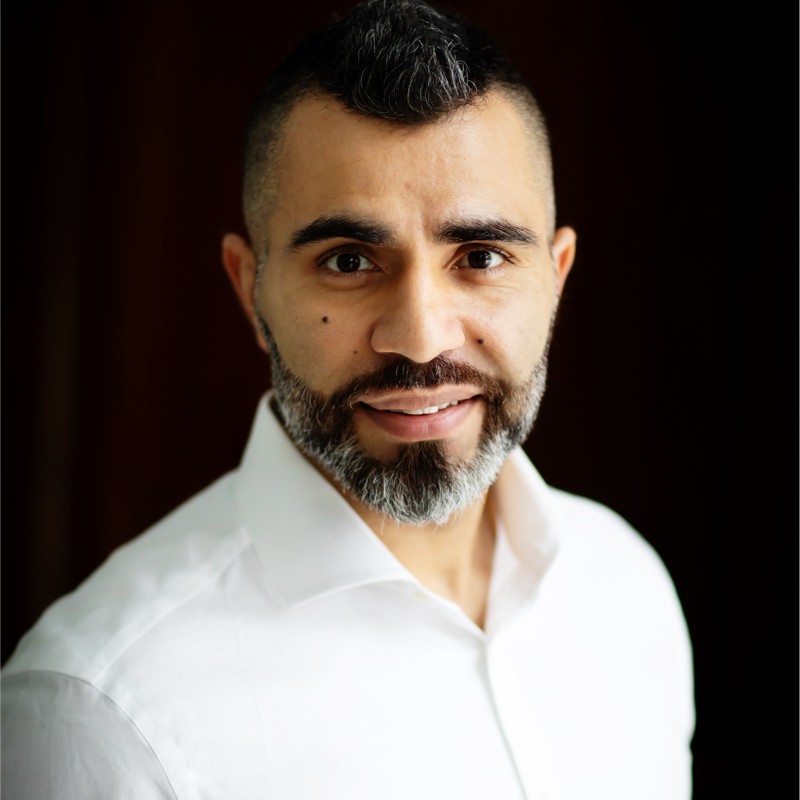
Dr Rohit Gosain
Dr Rohit Gosain is the medical director of haematology and oncology at the Roswell Park Care Network in Southtowns, serving as a community oncologist who sees benign and malignant haematology along with solid tumours. He is recognised for offering his community-leading expertise as one of the Oncology Brothers, contributing to groundbreaking advancements in cancer treatments and medical technologies that facilitate learning and improved patient care.
Supercharge your pharma insights: Sign up to pharmaphorum's newsletter for daily updates, weekly roundups, and in-depth analysis across all industry sectors.
Want to go deeper?
Continue your journey with these related reads from across pharmaphorum


Top podcaster spread health misinformation, claims BBC probe

The growing burden of misinformation: Patients left wondering where to turn for trusted insights and support
Medical misinformation and sensationalism in the age of social media

Closing the gap: Combatting misinformation in men’s healthcare


Click on any of the images below for more articles from this edition of Deep Dive: Oncology 2026
.jpg)
.jpg)
.jpg)
.jpg)
.jpg)