A fast start to 2026 signals continued investor confidence in Swiss life sciences

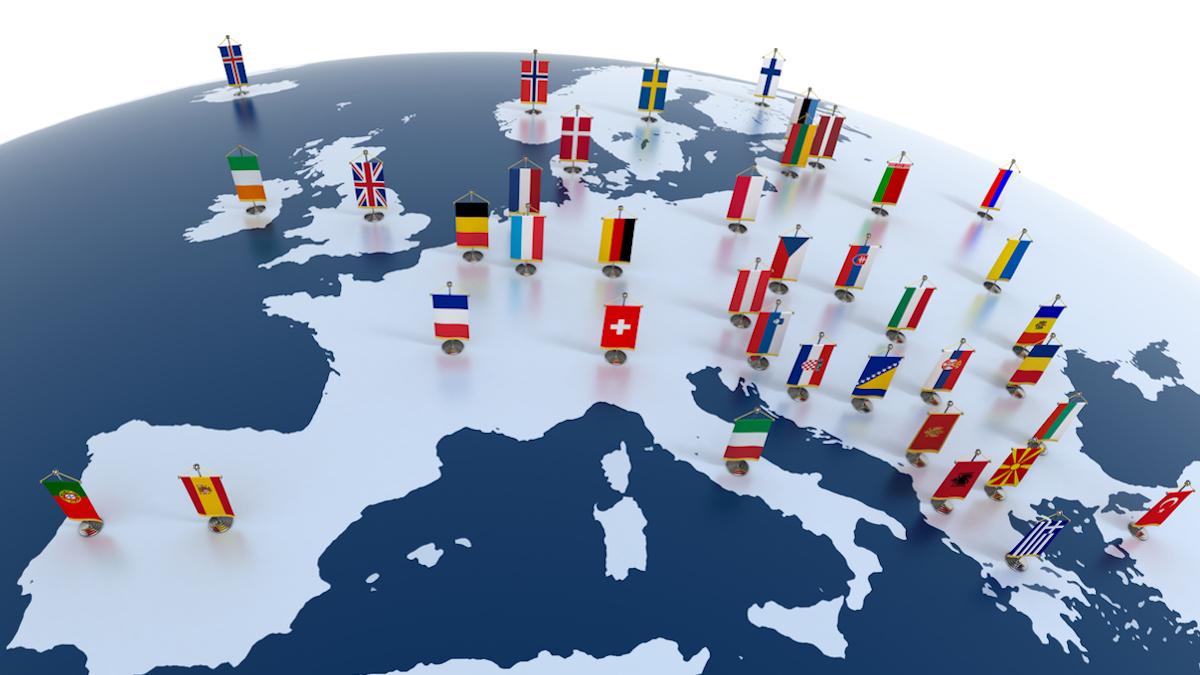
Investor confidence in European life sciences companies is growing and is expected to gain momentum in 2026, with a focus on AI and data-driven start-ups. Europe is particularly attractive for early-stage investment due to world-class academic research, but transforming scientific breakthroughs into successful companies depends on a range of factors.
Swiss biotech in particular saw strong activity in 2025 with the establishment of 15 new life sciences companies. In January, several Swiss life sciences start-ups announced significant financings and strategic deals: DISCO Pharmaceuticals entered a licensing agreement with Amgen to advance cancer surfaceome-targeted therapies, with a total deal value of up to $618 million plus royalties; TECregen, which is developing thymopoietic biologics for the growing longevity market, raised CHF 10 million; while FluoroSphera secured CHF 1.5 million to advance its AI-driven imaging platform for preclinical drug testing. This suggests continuity, rather than a rebound – an ecosystem operating with confidence despite ongoing global uncertainty.
This article explores key factors in Switzerland’s success that could make other European life sciences hubs more attractive to investors.
Academic spinouts: Switzerland’s scalable competitive advantage
Few countries convert academic excellence into commercial value as efficiently as Switzerland. The $1.1 billion acquisition of Araris Biotech by Taiho Pharmaceutical in March 2025 stands as a powerful validation of this strength, highlighting the global appeal of Swiss academic spinouts.
The European Spinouts Report 2025 ranked three institutes – the Swiss Federal Institutes of Technology in Zurich (ETH Zurich) and Lausanne (EPFL) and the University of Zurich – in the top ten for spinoff value created. When adjusted for population size and STEM graduate output, Switzerland moves decisively into first place, ahead of Denmark, Sweden, the UK, Finland, and Belgium.
As Alexandre Meldem of Deep Tech Nation Switzerland observes: “The most critical metric in innovation is not volume, but efficiency. While larger economies naturally produce higher absolute numbers of companies, the true measure of an ecosystem’s vitality is its ability to convert research and talent into tangible economic value.”
From lab to launch: How funding pathways can become more formalised and streamlined
Switzerland provides interesting models of how funding can be improved. Over the past decade, it has refined the mechanisms that support founders at the earliest and most fragile stages of company creation. GlioCART, developing CAR-T therapies for glioblastoma, illustrates this evolution, having secured a CHF 50,000 Propelling Grant from its university before raising CHF 150,000 in seed funding from Venture Kick.
“Venture Kick has played a crucial role in helping GlioCART build a strong corporate and IP foundation, positioning the company for sustainable growth and future strategic partnerships,” says Prof Dr. Gregor Hutter, Professor at the University of Basel and co-founder of GlioCART.
At ETH Zurich, structural barriers to academic entrepreneurship are also being dismantled.
“When I returned to ETH in 2023 after 25 years as a serial entrepreneur, we addressed this problem by launching revised Company Creation Regulations and the new Express Licensing procedure in July 2025,” explains Frank Floessel, Head of ETH Entrepreneurship. “It provides a standardised, negotiation-free licence within six to eight weeks, with a simple fee model and a 2% ETH equity stake.”
Why location still matters in a global biotech race
Switzerland’s life sciences success is shaped by highly intentional clusters. Basel, home to Novartis and Roche, naturally attracts early-stage companies seeking proximity to global pharma. The BaseLaunch accelerator and incubator has added further momentum.
“BaseLaunch has established a setup that is globally unique,” says BaseLaunchdirector Stephan Emmerth. “Our companies have raised over $1 billion in funding, and nine programmes have already progressed into the clinic.”
Near Zurich, Bio-Technopark - adjacent to ETH Zurich and the University of Zurich - hosts around 50 early-stage companies, 13 of which have already been acquired by major corporations including Roche and Novartis.
“We believe we have created a dynamic and cooperative environment and become a top destination for life sciences,” says Mario Jenni, CEO and co-founder of Bio-Technopark. “You find all the main elements of knowledge transfer here - excellent research, investors, successful companies, and experts.”
Lausanne has emerged as a third pillar, driven by the combined strength of EPFL, CHUV, and UNIL, and the critical mass at Biopôle.
“Biopôle is now one of the largest life sciences campuses in Europe and a magnet for venture capital,” says Nasri Nahas, CEO of Biopôle Lausanne. “Our start-ups alone raised CHF 756 million in 2025.”
Capital attracts talent – and talent attracts capital
Switzerland’s attractiveness as a talent destination continues to reinforce this momentum. The country remains a global reference for political stability, institutional strength, and quality of life, ranking first in the 2025 INSEAD Global Talent Competitiveness Index.
For companies such as Limula, a cell and gene therapy manufacturing innovator based at Biopôle, access to talent is a decisive advantage.
“With its long tradition of pharma and biotech and a vibrant ecosystem of world-class research institutions, Switzerland is a top location in Europe right now for finding talent at all levels,” says Limula co-founder Thomas Eaton. “We have the perfect combination of people who love both their work and their lifestyle.”
Beyond early-stage funding, Swiss life sciences companies are increasingly achieving global validation through partnerships, late-stage financings, and strategic exits. In Lausanne, ophthalmology company Oculis strengthened its position in 2025 with an oversubscribed equity financing round that extended its clinical runway and underlined investor confidence in its late-stage development strategy.
In January 2026, Distalmotion added further momentum with a strategic collaboration with Johnson & Johnson, marking a major milestone for Switzerland’s medtech sector.
A system that forces global ambition from day one
For Michael Altrorfer, CEO of the Swiss Biotechnology Association, this exposure to global markets is the ecosystem’s defining feature.
“What is different is that Switzerland forces start-ups to fly on their own and confront global investor and market expectations from the outset,” he says. “They must prove that their ideas are valid, their strategies sound, and their teams capable.”
This approach is supported by a globally connected talent pool, a stable regulatory framework, and proximity to universities, hospitals, CDMOs, and pharma companies. It also instils a shared sense of urgency: the patent clock is always ticking.
Swiss biotech start-ups have responded by building a strong international track record, reflected in a steady annual capital influx of around CHF 2.5 billion.
Start-ups are the lifeblood of the life sciences sector, translating ideas into therapies, technologies, and companies with global impact. Switzerland’s ability to combine academic excellence, disciplined funding pathways, clustered infrastructure, and early exposure to international markets has created an ecosystem designed not just to generate start-ups, but to scale them. As 2026 unfolds, the early signals suggest this model remains robust - and that Swiss life sciences innovation will continue to punch well above its weight on the global stage.
About the author
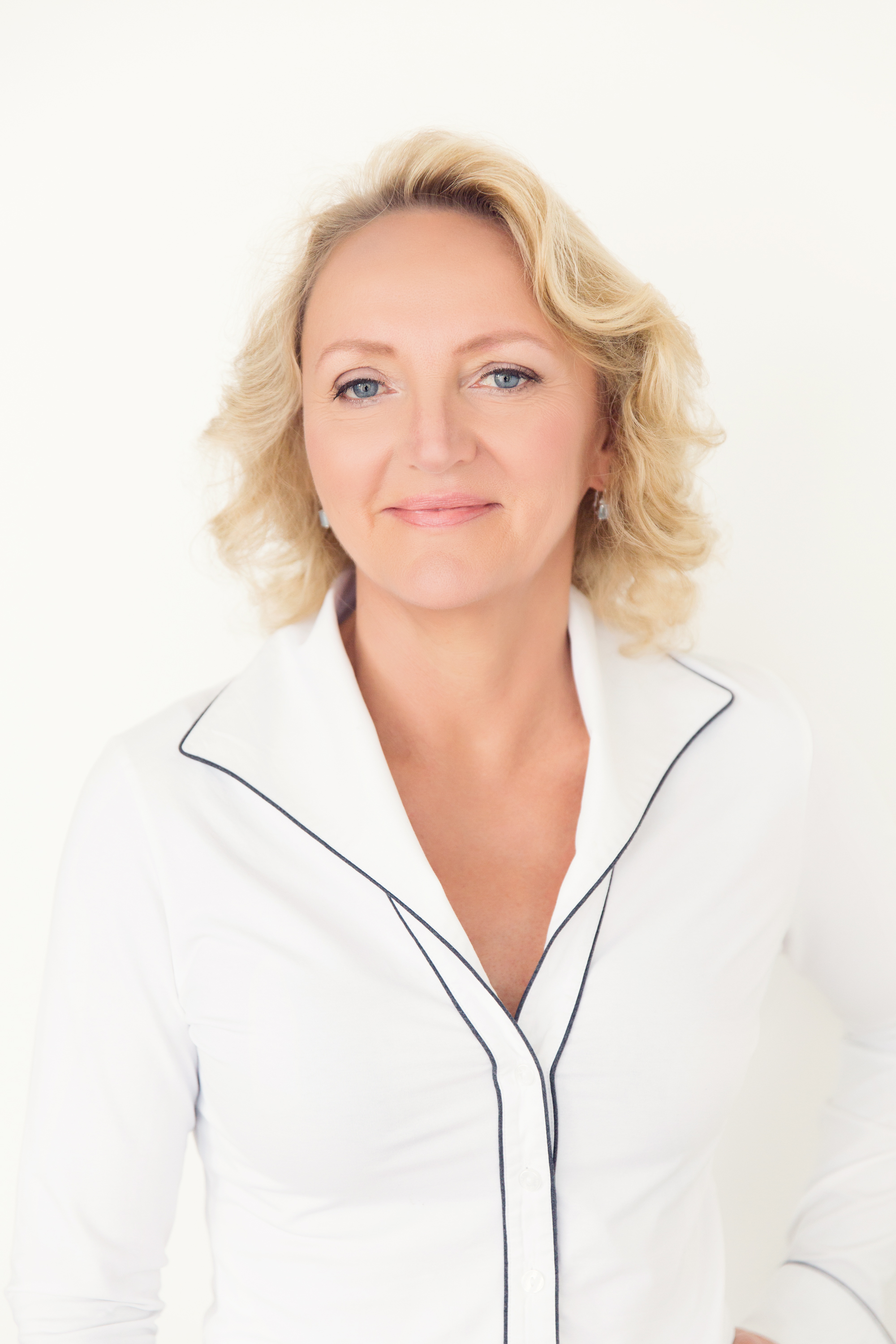
Marta Gehring works at sbg lifesciences, Lausanne Switzerland. She is a lecturer at sitem-insel, the Swiss Institute for Translational and Entrepreneurial Medicine, Bern Switzerland.