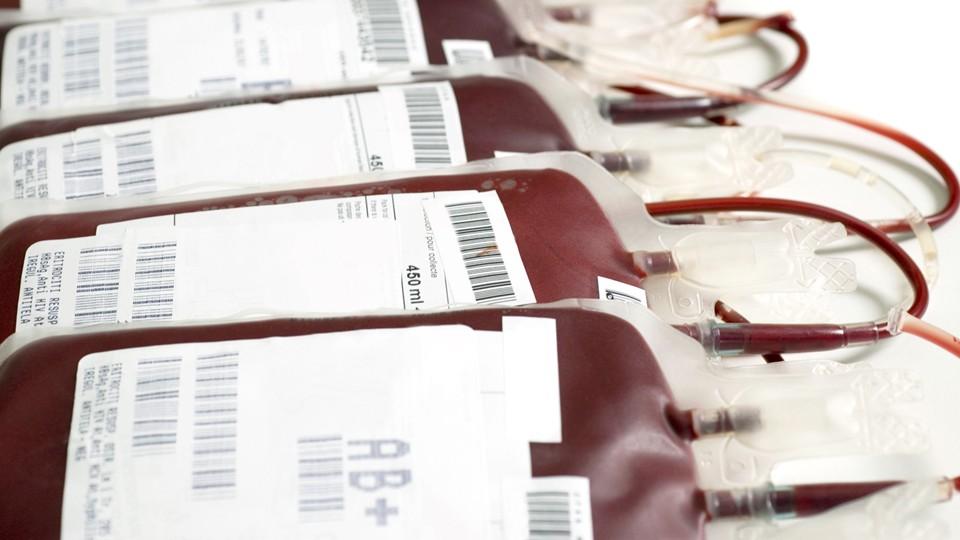
Why pharma’s future may run through your local blood centre
As biopharma doubles down on external innovation sourcing, community blood centres have become a surprising yet essential partner. Long recognised as the backbone of transfusion medicine, these institutions have quietly built the infrastructure, expertise, and regulatory discipline that make them uniquely suited to accelerate the future of pharmaceutical innovation.
With demand for cell and gene therapies (CGTs) growing rapidly, blood centres are indispensable collaborators, bridging the gap between clinical innovation and patient access.
From blood to biotherapies: An evolution decades in the making
The relationship between blood centres and hospitals stretches back decades, quietly expanding in scope and sophistication over time. The role of blood centres started with whole blood for transfusion, then moved to blood components including platelets and plasma, before expanding further to include therapeutic apheresis procedures.
In the earliest autologous cellular therapies like Provenge, blood centres provided patient apheresis collections support, and today are crucial for cell and gene therapy manufacturing inputs, with blood centres supplying the donor and patient apheresis collections required. Indeed, blood centres are now relied upon for cell processing, such as isolations, separations and manipulations, and even full-scale manufacturing, final product storage, and shipping.
The knowledge held by blood centres extends further than infrastructure and processing. The long-term expertise around donor screening, testing, and collections is often leveraged to ensure quality starting material and maintain a steady supply. This is only set to improve, as blood centre’s continue to invest in allogeneic donor characterisation, to improve donor selection.
This progression has built an ecosystem of infrastructure and expertise that directly maps to the needs of advanced therapies. Today, blood centres not only provide blood-derived starting material for CGTs, but also act as trusted partners in product receipt, storage, thawing, processing, and pre-infusion preparation.
Blood centres are built for CGT collaboration
Many hospitals – especially those outside major research centres – lack the specialised skillsets, capacity, or facilities required to manage CGT workflows. By contrast, blood centres already have the infrastructure in place to fill the gap. They operate under rigorous regulatory oversight, with proven quality systems, workforce training, and shared practices that align with hospital and research standards.
Blood centres have experience handling living biologics, built upon decades of work in transfusion, stem cell, and apheresis services. That includes a workforce that understands the complexities of managing sensitive biologic products. Staff are trained in quality documentation, compliance, and biologics handling, enabling them to adapt rapidly to CGT requirements. Blood centres also have an operational reach that extends beyond large academic hospitals into community settings, bringing advanced therapy capabilities closer to patients.
Finally, they have deep familiarity with FDA and other regulatory frameworks that ensures compliance-ready infrastructure.
Meeting complex CGT supply chain needs
As biopharma began preparing for its CGT future, the industry quickly recognised the myriad ways these therapies differ from traditional medicines, even other biologics. They are living, patient-specific biologics requiring a seamless, controlled chain of identity and custody. A typical CGT workflow may include handoffs between multiple stakeholders.
In the case of an autologous blood-based CGT, the workflow starts from scheduling and conducting medically supervised patient apheresis. A separate team typically handles processing and cryopreservation of collections. Materials must be labelled and shipped under strict specifications, and upon arrival must be properly received, stored (often in liquid nitrogen) until needed, before thaw. At each step, strict documentation for chain of custody is required to ensure patient safety.
Some developers thought they would need to invent this workflow from scratch with hospitals, not recognising that each of these steps mirrors processes that blood centres already execute daily in transfusion medicine. Blood centres have rapidly demonstrated that they can extend their existing infrastructure into CGT supply chains, providing speed, scale, and compliance without the delays of building new hospital-based capacity. What’s more, blood centres have partnered with hospitals for decades, and extending their continuum of collaboration into advanced therapies is a natural evolution.
Despite their readiness, blood centres remain an underutilised lever in pharma’s innovation model. As industry players seek decentralised reach, compliance-ready infrastructure, and efficient patient access, community blood centres represent a proven and scalable solution hiding in plain sight.
Looking ahead
The Blood and Cell Advocacy Roster (BCAR) is an industry collaboration formed recently in response to patient access challenges seen with CGT and blood therapies. The organisation is committed to accelerating the pace of change in this field, and has begun spotlighting examples of blood centres already delivering impact in CGT programmes. By tapping into the established expertise of the blood centre community, pharma can accelerate the delivery of life-changing therapies while ensuring patient access across both urban and community healthcare settings.
The next wave of collaboration in advanced therapies may not come from new greenfield infrastructure, but from trusted institutions that have been operating in our communities all along. Pharma’s future could very well run through your local blood centre.
About the authors
 Lee Buckler is senior vice president of advanced therapies at Blood Centers of America (BCA) and leads its initiatives in advanced therapies.
 Jeff Wren is VP at the Association for the Advancement of Blood & Biotherapies (AABB), where he oversees AABB’s portfolio of biotherapies standards, education, and membership offerings.
 Kate Fry is CEO of America’s Blood Centers, representing a network of community blood centres across the United States and Canada.