Why I'm focused on the trillion-dollar AMR crisis everyone's ignoring
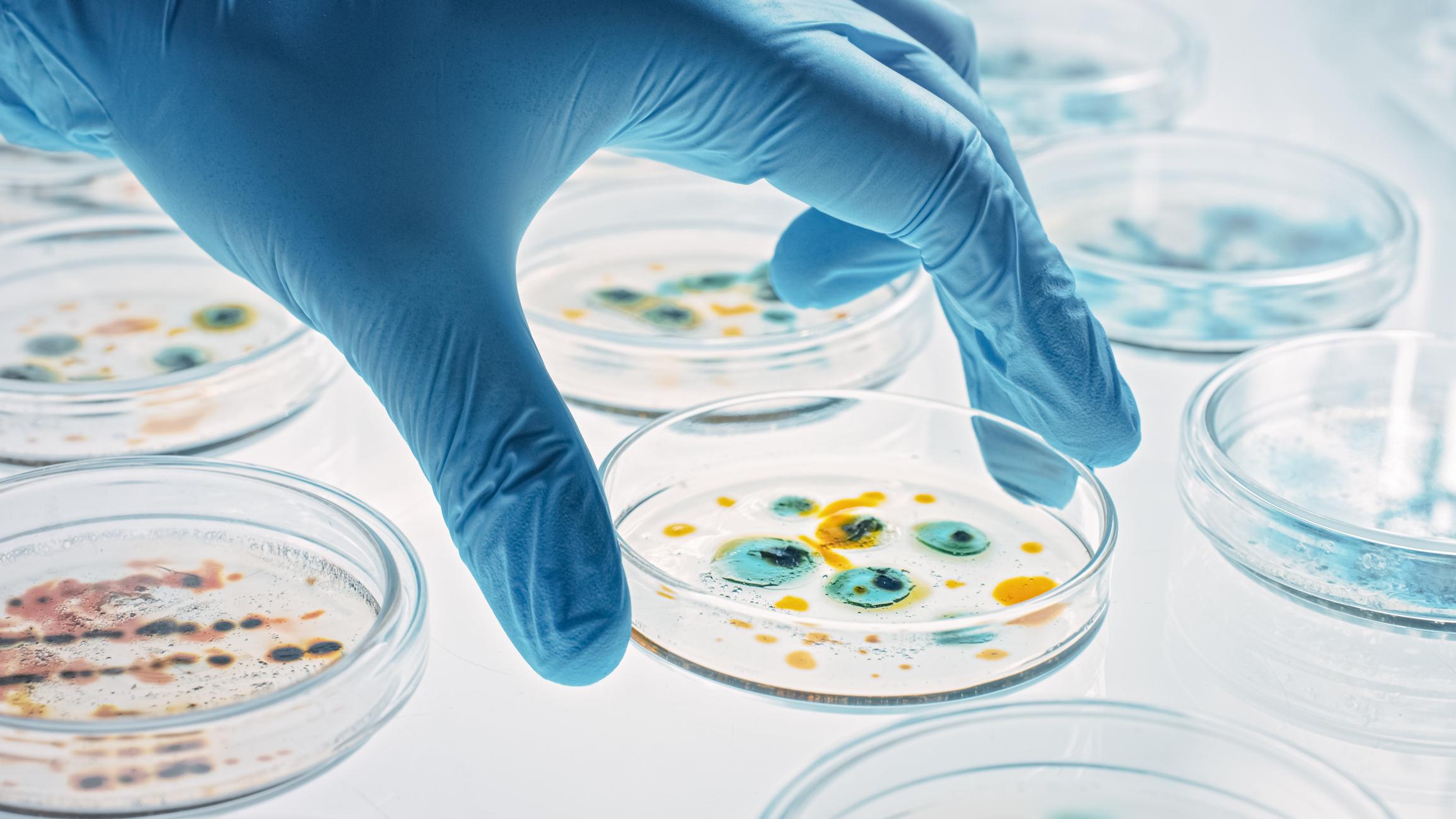
The AI drug discovery space has become a feeding trough. Every day, pharma partners get blasted with hundreds of pitches from tech bros who think they can solve biology with brute computational force. Technology democratisation has lowered the bar for people to tackle problems they know little about - you can build a robot at home now, code a game yourself, and apparently discover drugs with a laptop and some online tutorials.
It's like watching people try to build walking robots when we can barely get ChatGPT to stop hallucinating. The reality is that drug discovery sits at the top end of the AI difficulty curve because you're dealing with the most complicated machine we know: human beings. It's monkeys and typewriters – throw enough compute at it and something might work, but without biological validation you're just generating very expensive noise.
Most of these companies are flooding into cancer because that's where the massive rewards are. Between 2011-2020, venture capital funding for cancer projects hit $26.5 billion, versus $1.6 billion for antimicrobial resistance (AMR) projects. That is 17 times as much cash. My problem is that AMR sits there like an asteroid heading straight for us, except this one's already hit once in 2020 and everyone's decided to look the other way.
Genuine innovation comes from combining AI's predictive power with deep biological understanding. Not flashy algorithms that overshadow tangible outcomes, but models that bridge data-driven insights directly to antimicrobial efficacy. And it needs to happen now. My own father died from a treatable infection that became untreatable due to drug resistance.
Society is two meals away from collapse
People don't grasp how thin the veneer of modern society really is. Look at those hockey-stick graphs showing human progress since 5000 BC – population, health, life expectancy. They all go flat, then vertical. One of the main reasons for that trajectory? Antibiotics: along with anaesthetics, probably the single greatest medical discovery of all time. On average, antibiotics keep you alive about ten years longer than you would have been before the 1920s.
Take them away, and you can't do routine surgeries. Kidney transplants become impossible. The Centers for Disease Control estimated that, in the US alone, between 30% and 80%of transplant patients are already dealing with antibiotic-resistant bacteria, depending on the organism and transplant type. That figure is only going to go up.
Even dentistry becomes catastrophic – and everybody already hates the dentist. We've got archaeological evidence of people dying because they broke their arm or scratched their hand on a rusty fence. That's where we're heading back to.
But try explaining this without sounding like a fear-mongering nutter. People are conditioned to think these risks aren't risks anymore. We live in a world where nothing is an issue, so we're blind to things that could actually kill us. COVID should have been the wake-up call about societal fragility, but here we are.
The economics are about to flip
While VCs fight over the same oncology deals, AMR represents an opportunity that's 10x bigger. By 2050, more people will probably die from bacterial infections than cancer. Yet venture capital is systematically under-investing because the traditional economics are broken.
Antimicrobial stewardship – using fewer antibiotics to preserve their effectiveness – directly conflicts with the commercial model that depends on sales volume. It's like being asked to sell less of your product to make it work better. No wonder pharmaceutical companies aren't keen.
Yes, policy interventions are coming. Subscription pricing models like the proposed US Pasteur Act and UK government’s “Netflix” model could decouple profitability from antibiotic usage. Instead of selling pills, companies would receive predictable revenue streams for having effective treatments available when needed. The economics suddenly make sense.
But this needs to be more than just more new drugs. I want us to build sustainable innovation for diseases that capitalism has struggled to address. Companies positioning now for validated AMR capabilities will capture extraordinary returns when crisis forces these market conditions to change.
Beyond the biotech asset shuffle
The real measure of success isn't pipeline expansion or valuation increases – it's whether we're actually reducing infection rates and improving patient outcomes. Too many companies are creating biotech assets, rather than solving the underlying crisis.
AMR demands sustained commitment beyond conventional market incentives. It requires founders with deep personal conviction who can persist through setbacks when the commercial rewards aren't immediate. But it's fulfilling to have a clear, tangible goal: preserving human life in a world where routine medical procedures remain possible.
The asteroid is coming. We know when, we know the damage it'll cause, and unlike actual asteroids, this is a tractable problem we can solve. The question is whether we'll act before society remembers what it was like when a scratch could be a death sentence.
Companies building validated AMR capabilities are doing so much more than developing treatments – they're building the infrastructure that'll keep modern medicine functional. That's not just good business. It's essential for civilisation as we know it.
About the author
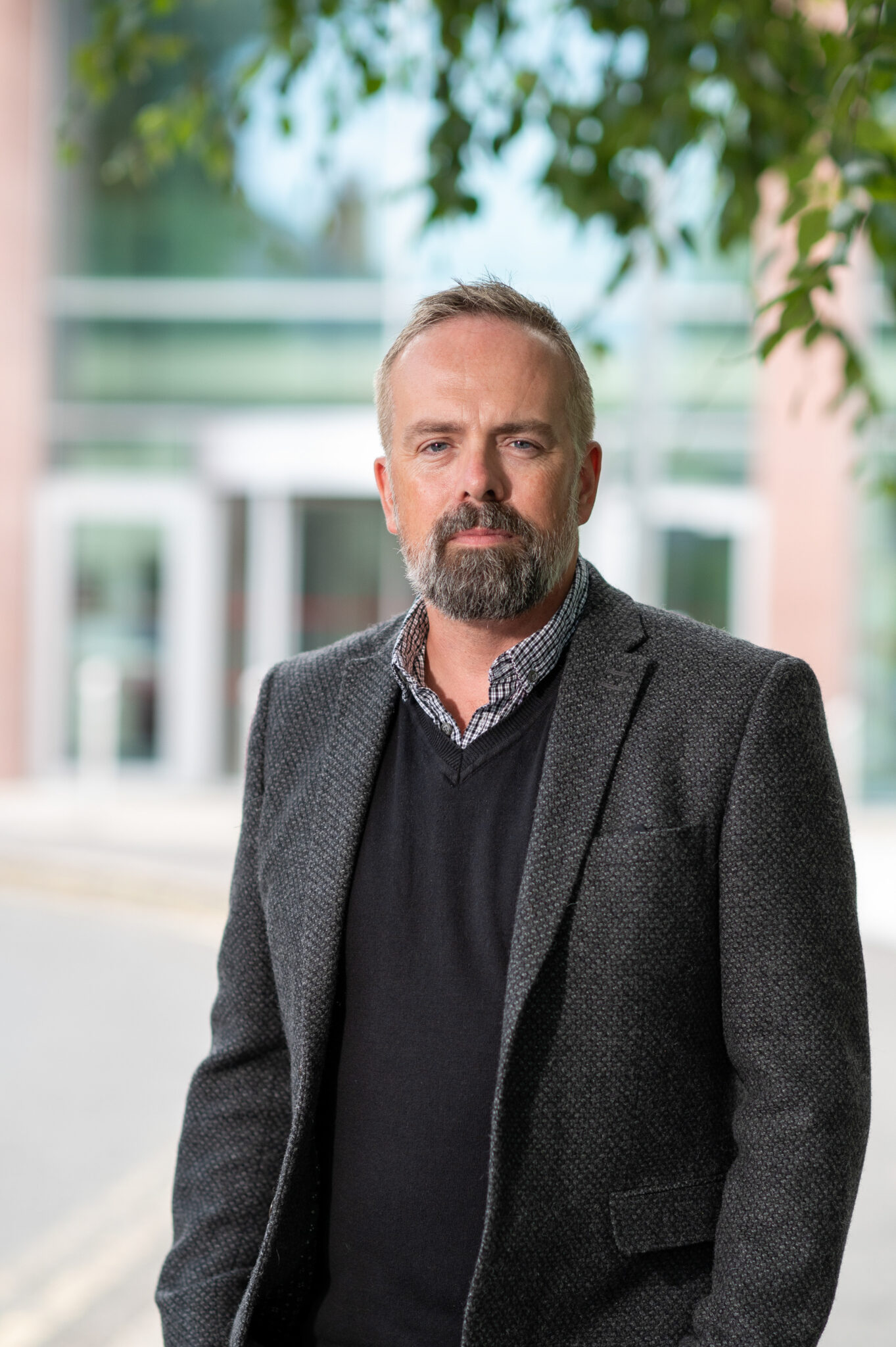 Dr Ben Thomas is the architect of the AMPLYfolioAI platform and CEO of AMPLY Discovery, a Queen's University Belfast spin-out. With over twenty years of experience spanning predictive analytics, financial markets, and computational biology, Dr Thomas brings a unique cross-disciplinary perspective to pharmaceutical innovation. His breakthrough came during his PhD at Aberystwyth University, where he pioneered treating biological data like financial market data, applying "stock picking" methodologies to identify promising molecular candidates from genomic datasets. This approach led to AMPLYfolioAI, which leverages nature's evolutionary intelligence, rather than computational brute force.