Whole-genome sequencing in the UK and Europe, with Mark Robinson
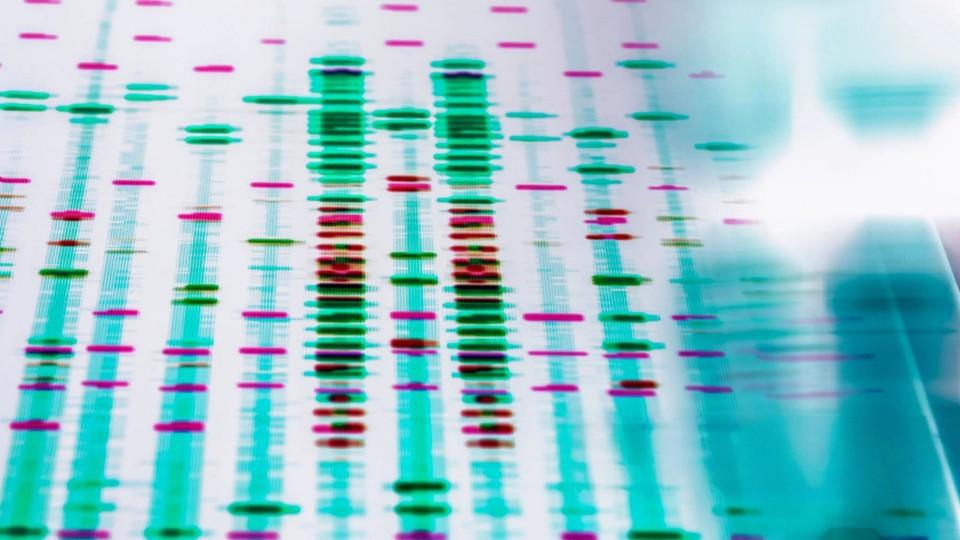
During the 2026 Festival of Genomics & Biodata – an event at which scientists, clinicians, business leaders, tech companies, investors, patient organisations, and policymakers come together in seeking how best to translate the latest innovations in science and technology into better patient outcomes – Illumina spoke about whole-genome sequencing (WGS) and redefining the limits of what is possible.
Whole-genome sequencing provides an unbiased and complete view of the human genome and enables the discovery of genetic variation without the technical limitations of other genotyping technologies. To find out more, pharmaphorum spoke with Mark Robinson, general manager for Illumina in the UK, about the conference, about the company’s work in WGS and their recent Nature-published study, as well as the upcoming NHS Cancer Plan and more widespread use of this technology Europe-wide.
Q. Fundamentally, can the genomics mystery of finding the "missing heritability" – what researchers need to understand complex diseases and traits – be solved?
Mark Robinson: The new Nature study brings us closer to understanding why people differ in things like height, cholesterol levels, or disease risk. Whole‑genome sequencing now allows scientists see parts of our DNA that were previously invisible, especially rare changes older methods couldn’t detect. Thanks to the vision and dedication of the investigators, whose large‑scale sequencing efforts made this possible, scientists can now uncover genetic signals that were once out of reach.
To truly understand complex diseases, we need large numbers of genomes, high‑quality health information, and long‑term commitment. As more genomes are sequenced, we can identify health risks earlier, personalise treatments, and ultimately deliver better care for patients.
The Nature study highlights why WGS matters for understanding complex diseases and traits. Working with researchers at the University of Queensland, the study showed that WGS captured nearly 90% of the genetic signal across the 34 traits and diseases analysed – significantly outperforming other approaches in detecting both common and rare variants.
Q. What are the advantages of whole-genome sequencing over other traditional methods for detecting both common diseases and rare variants?
Generally, the advantages are fuller coverage of the genome/depth of genomic insights, coverage of coding, and noncoding pieces of the genome, versus whole-exome sequencing (WES).
Next-generation sequencing (NGS) and WGS have disrupted the diagnostic odyssey paradigm in many ways. The ability to comprehensively sequence a patient’s exome or genome has offered tremendous potential to provide fast answers. This has been especially powerful in rapid whole genome sequencing (rWGS), in which sick infants are sequenced in days (or even hours) to determine their conditions underlying genetic causes. In some cases, these rapid sequences lead to treatments that save lives, preserve neural function, or otherwise modulate disease progression.
Many individuals suspected of a rare disease are likely to go undiagnosed or misdiagnosed. Molecular diagnoses with standard of care testing can remain obscured by targeting the incorrect genes or region(s) of the genome. WGS provides an unparalleled view of the patient’s genome to evaluate 7000+ rare diseases with a single test to drive optimal care.
Q. What were the key takeaways from the Festival of Genomics & Biodata overall for you, in terms of developments in the field?
For me, one of the strongest takeaways from this year’s event was how much the field continues to mature through collaboration and integration – not just across technologies, but across entire ecosystems. There was a clear shift away from isolated approaches toward connected models that bring together genomics, multiomics, data analysis, and AI to drive meaningful impact in both research and healthcare.
A particularly striking theme was the strength of the UK’s genomics and multiomics infrastructure. Long‑term, consistent investment from the UK government, industry, and key foundations and charities has created world‑leading resources – including large‑scale programmes like Genomics England’s 100,000 Genomes Project, UK Biobank, and Our Future Health – that are continuing to generate new insights into human health and disease and enable direct translation into patient care.
Those national programmes also provide a powerful foundation for innovation. They allow newer multiomic and analytical technologies to be evaluated in robust, real‑world settings, helping ensure that when advances are ultimately integrated into clinical practice, they are focused on the most impactful areas and guided by strong scientific evidence. We saw this clearly reflected in discussions around rare disease, paediatric genomics, and the growing role of AI and global standards in national health systems.
Overall, it was encouraging to see how closely academia, healthcare, industry, and standards bodies are working together. That ecosystem‑driven approach is shaping the next phase of genomics and will be critical to realising its full potential to improve human health.
Q. It was World Cancer Day on 4th February – how does Illumina’s work tie in with the NHS’s upcoming plan for oncology and the 10-Year Plan?
World Cancer Day and the NHS’s 10-Year Plan both show how important genomics is becoming for cancer care. By using things like whole genome sequencing, the NHS is aiming to make healthcare more personalised and precise. Illumina is backing up this push by offering reliable sequencing tech and powerful bioinformatics tools, making it easier to tailor treatments and spot cancer earlier.
Q. If we more broadly consider this technology in Europe, also, what can you tell us about genomic AI building intelligence for national health systems with global standards?
Across Europe, there’s a huge chance to develop what we call “genomic AI” that health systems can trust. The idea is that this technology should be trained on big, diverse data sets, keep people’s information private, and be just as accountable as anything else you’d find in a healthcare setting.
The secret sauce? It’s all about having shared global standards for how we handle and exchange data; think of international groups like GA4GH leading the way. Plus, Europe’s big push for better-connected health data through initiatives like the European Health Data Space. And we see our role as helping health systems turn all that “data collected” into real, usable insights. Basically, we’re making sure the tech isn’t just clever, but that it’s practical, safe, and ready for the clinic.
About the interviewee
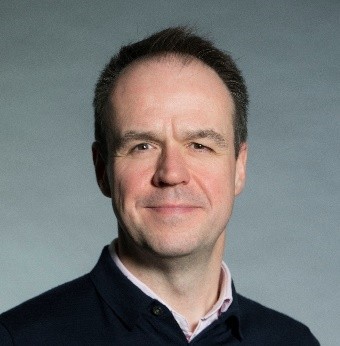 Mark Robinson is VP & general manager, UK & Ireland and Northern Europe, at Illumina. Robinson leads the commercial business in these strategically important geographies, designing the strategy, setting the goals for growth, and managing the day-to-day operations. He has overall responsibility for the key relationships in these regions, including those with government, healthcare systems, and key strategic partners. Additionally, he has oversight of all of Illumina’s operations in the UK, including site leadership of Illumina’s European hub in Cambridge. Robinson joined Illumina as its EMEA CFO in November 2019 and within 2 years became responsible for its broader international business, covering the EMEA, Asia Pacific, and China regions with revenues of circa $1.5bn. In this role, he led the finance function across the 3 regions and overseeing accounting, financial shared services, tax and FP&A; whilst playing a significant role in the strategic leadership of the business. Prior to joining Illumina, Robinson has a strong track record within healthcare; spending 13 years at Johnson & Johnson in various senior finance roles across the medical device and consumer sectors and, before that, 5 years at Pfizer in their pharmaceutical and consumer health divisions. Robinson is a chartered management accountant and holds an economics degree from the University of Exeter.