GLP-1 RAs in CKM management: A Q&A with CORXEL

Cardiometabolic disease remains a leading cause of death, responsible for over 30% of global annual mortality. But medication adherence remains a critical barrier, with studies showing up to 50% of patients with chronic conditions not taking medications as prescribed. Indeed, GLP-1 therapies currently bring with them the inconvenience of subcutaneous injections, the difficulty of titration, limited tolerability, and supply chain constraints.
In this setting, CORXEL Pharmaceuticals, a clinical-stage biopharmaceutical company dedicated to developing innovative therapies for patients living with cardiometabolic conditions around the world, recently announced positive top-line results from its Phase 2 trial evaluating CX11 – an oral small molecule GLP-1 receptor agonist (GLP-1 RA), in obese and overweight participants in the United States.
To find out more, pharmaphorum spoke with Dr Sandy Mou, CORXEL’s CEO, and Dr Bo Liang, the company’s chief medical officer.
Q. Please tell us about CORXEL’s journey, from its foundations to today.
Sandy Mou [SM]: CORXEL was founded by RTW Investments in 2019 with a clear vision: to bring high-impact therapies to patients worldwide. From the outset, the company combined rigorous asset selection with the clinical development capabilities needed to advance programmes with speed and excellence. RTW’s company-building experience helped establish that foundation and continues to support CORXEL’s growth.
Between 2021 and 2024, we completed four Phase 3 registrational studies in China, secured two NDA approvals, and submitted two additional NDAs, a level of clinical productivity that very few biotech companies of our stage achieve. Toward the end of 2024, we executed a deliberate strategic evolution. We sharpened our focus on global cardiometabolic development, a large, strategically attractive opportunity, and we moved decisively. As a critical milestone, CORXEL acquired worldwide development and commercialisation rights outside Greater China to VCT220, now CX11, an oral small molecule GLP-1 receptor agonist (GLP-1 RA), expanding the company’s work into obesity and type 2 diabetes.
Today, CORXEL has evolved into a global biotech company, with a pipeline spanning obesity, type 2 diabetes, and acute ischaemic stroke. CX11 is advancing toward pivotal global Phase 3 development for weight management following positive clinical results in the United States and China. Our portfolio also includes JX10, now in a global Phase 2/3 trial for acute ischaemic stroke, and CX12, an internally discovered oral small molecule amylin receptor agonist in preclinical development. Across the portfolio, our focus is on combining strong science with disciplined global development to elevate the standards of care across a range of cardiometabolic disorders.
Q. CORXEL is developing innovative therapies for patients living with cardiometabolic conditions around the world. Describe the CKM landscape as it was and as it is today and, importantly, why further innovation is needed here.
Bo Liang [BL]: Cardiovascular, kidney, and metabolic conditions often occur together, yet, are treated apart. However, they are increasingly understood not as separate diseases, but as one connected condition – defined as cardiovascular-kidney-metabolic (CKM) syndrome: a health disorder arising from the links between heart disease, kidney disease, diabetes, and obesity.
In view of this, the concept of CKM management has advanced rapidly, with evidence fast accumulating for GLP-1RA as a foundational treatment for CKM. GLP-1 RA medicines have already transformed the treatment of metabolic diseases such as obesity and diabetes. Through successive outcome trials, their benefit has extended beyond weight and glucose to cardiovascular, kidney, heart-failure, and liver outcomes – placing GLP-1RA at the centre of integrated CKM management.
CKM is a chronic, lifelong condition, and its clinical benefit ultimately depends on whether patients can start treatment and stay on it for years. This is where the next generation of GLP-1RA must go further. We must factor in the driving forces that will further change the future treatment landscape. In addition to efficacy, we must place equal importance on safety, tolerability, convenience, scalability, and affordability – qualities that are crucial for any backbone treatment.
Q. The Phase 2 trial evaluated CX11, an oral small molecule GLP-1 receptor agonist (GLP-1 RA), in obese and overweight participants in the United States. This is, clearly, a competitive space. Please tell us more about CORXEL’s work within that.
SM: CX11 is designed as a once-daily oral treatment without food or water restrictions or a fixed dosing-time requirement. It does not require refrigeration or light-protected storage. Its small molecule profile may also support more cost-efficient and scalable manufacturing and distribution. Together with strong clinical data to date, these features define the product profile we seek to establish.
Our US Phase 2 study has achieved meaningful weight loss at 36 weeks, with weight reduction still progressing at the end of the treatment period. It also demonstrated a favourable gastrointestinal tolerability and safety profile. Those findings give us an encouraging foundation as we prepare for pivotal global Phase 3 development.
BL: The study enrolled 246 adults in the United States with obesity, or who were overweight and had at least one weight-related comorbidity. Participants received CX11 at 120 mg, 160 mg, or 200 mg once daily, with the 200 mg dose evaluated using both slow and fast titration schedules, or placebo, for 36 weeks.
The trial met its primary endpoints, and CX11 achieved up to 11.5% weight loss at 36 weeks. The point estimate is important, but so is the direction of the response. Weight reduction was continuing at a consistent rate when the study ended, with no evidence that it had reached a plateau. For a 36-week study, that is an encouraging signal as we consider the duration and design of pivotal development.
Beyond efficacy, the study also helped characterise CX11 across multiple dose levels. The favourable gastrointestinal tolerability and safety findings, together with the continued weight-loss trajectory, give us confidence in the overall profile and will inform dose selection as we prepare for pivotal global Phase 3 development.
Q. In terms of tolerability and safety, how does CX11 compare with other therapies in this space? And why is dosing flexibility of importance here?
BL: Direct comparisons across separate clinical trials have important limitations, so we would not claim superiority over another therapy based on this data alone.
What we can say is that, across the CX11 dosing cohorts, nausea was reported in 33-34% of participants, vomiting in 12-16%, diarrhoea in 4-12%, and constipation in 2-12%. These events were generally mild to moderate, and there were no severe cases of nausea, vomiting, diarrhoea, or constipation. Gastrointestinal events occurred primarily during dose escalation and gradually subsided during the maintenance period. The overall discontinuation rate due to gastrointestinal adverse events was 5%. No hepatic safety signal was observed. Notably, more than 1,500 participants have now been studied across the CX11 clinical programme without an identified hepatic safety signal.
Dosing flexibility matters because the early treatment experience can influence whether someone remains on a long-term therapy. Patients may respond differently to the pace of escalation and to different dose levels. Giving physicians the ability to consider both clinical response and tolerability may help them manage treatment more effectively than a rigid, one-size-fits-all approach. Our Phase 2 study included both slow and fast titration approaches at the 200 mg dose specifically to generate information that can inform later-stage regimen design.
Q. Building on these results and the successful China obesity Phase 3 results recently announced by partner Vincentage Pharma Co., Ltd., CORXEL plans to advance into pivotal global Phase 3 studies of CX11 in weight management. Please tell us more.
SM: The partnership began with a molecule discovered by Vincentage and a clear division of regional responsibility. In 2024, CORXEL acquired worldwide development and commercialisation rights outside Greater China to VCT220, which we developed as CX11. Vincentage continues to lead the programme in Greater China, while CORXEL is responsible for advancing it across the rest of the world.
BL: Vincentage’s pivotal Phase 3 trial enrolled 840 adults in China with obesity, or who were overweight and had at least one weight-related comorbidity. After 52 weeks, mean body weight declined by 12.2% with the 120 mg dose and 12.4% with the 160 mg dose, compared with 1.3% for placebo. Gastrointestinal events were generally mild to moderate and occurred primarily during dose escalation. No severe nausea or vomiting was reported, discontinuation due to treatment-related adverse events was 1.8% in each active-treatment group, and no hepatic safety signal was observed. Based on this data, Vincentage has just submitted an NDA for weight management in China.
The importance of the China programme and CORXEL’s global programme is that they provide complementary evidence across geographies and study designs.
Q. What about CORXEL’s other cardiometabolic programmes, including CX12?
BL: CX12 is our internally discovered oral small molecule amylin receptor agonist. CX12 reflects our view that the next phase of obesity treatment will involve multiple complementary biological pathways to bring additional clinical benefits beyond GLP-1 RA. Amylin helps regulate satiety, slow gastric emptying, and suppress post-prandial glucagon, and injectable amylin receptor agonists have demonstrated meaningful weight reduction. Research combining amylin and GLP-1 receptor activation has also shown the potential for enhanced effects on weight loss and metabolic improvement.
The programme is currently in preclinical development, with ongoing chemical optimisation focused on potency, selectivity, and overall drug-like properties. CX12 gives us a mechanistically distinct programme that complements CX11 and broadens the range of approaches we are pursuing within obesity and related cardiometabolic disease.
Q. And what of China as a global player in life sciences today and in the CKM space in particular?
SM: China has become a genuine source of innovation in life sciences, not simply a large market in which products discovered elsewhere are tested or commercialised. A growing number of Chinese biotechs are now discovering and developing novel medicines, advancing through late-stage trials and drawing global development interest.
Our partnership with Vincentage illustrates that shift. VCT220 originated within a Chinese biotechnology company, advanced through a pivotal Phase 3 trial in China, and is now being developed by CORXEL as CX11 outside Greater China. That is a meaningful evolution in how innovation moves across borders. The most productive partnerships are no longer built around a one-directional transfer of science or capital. They combine distinct strengths, whether in discovery, regional clinical development, global trial execution, or regulatory strategy, while maintaining clarity about each partner’s role.
This model is especially relevant in cardiometabolic diseases. The patient need is global, and therapies intended for very large populations must ultimately work across different healthcare systems and clinical settings. High-quality innovation can originate anywhere. It is the responsibility of global developers to recognise it, build the right evidence around it, and advance it with the scientific rigour each market requires.
About the interviewees
 Sandy Mou, MD, is board executive director and CEO at CORXEL, where she leads global business operations. She has nearly 30 years of experience in the pharmaceutical and medical device industries, including leadership roles at GSK, AstraZeneca, Johnson & Johnson, and MSD. She has successfully launched major brands across multiple therapeutic areas and built MSD China’s oncology business into a top-three multinational oncology franchise. Previously, as CEO of Allist, she led the company’s IPO, first new drug approval, and transformation into a profitable, fully integrated biopharmaceutical company.
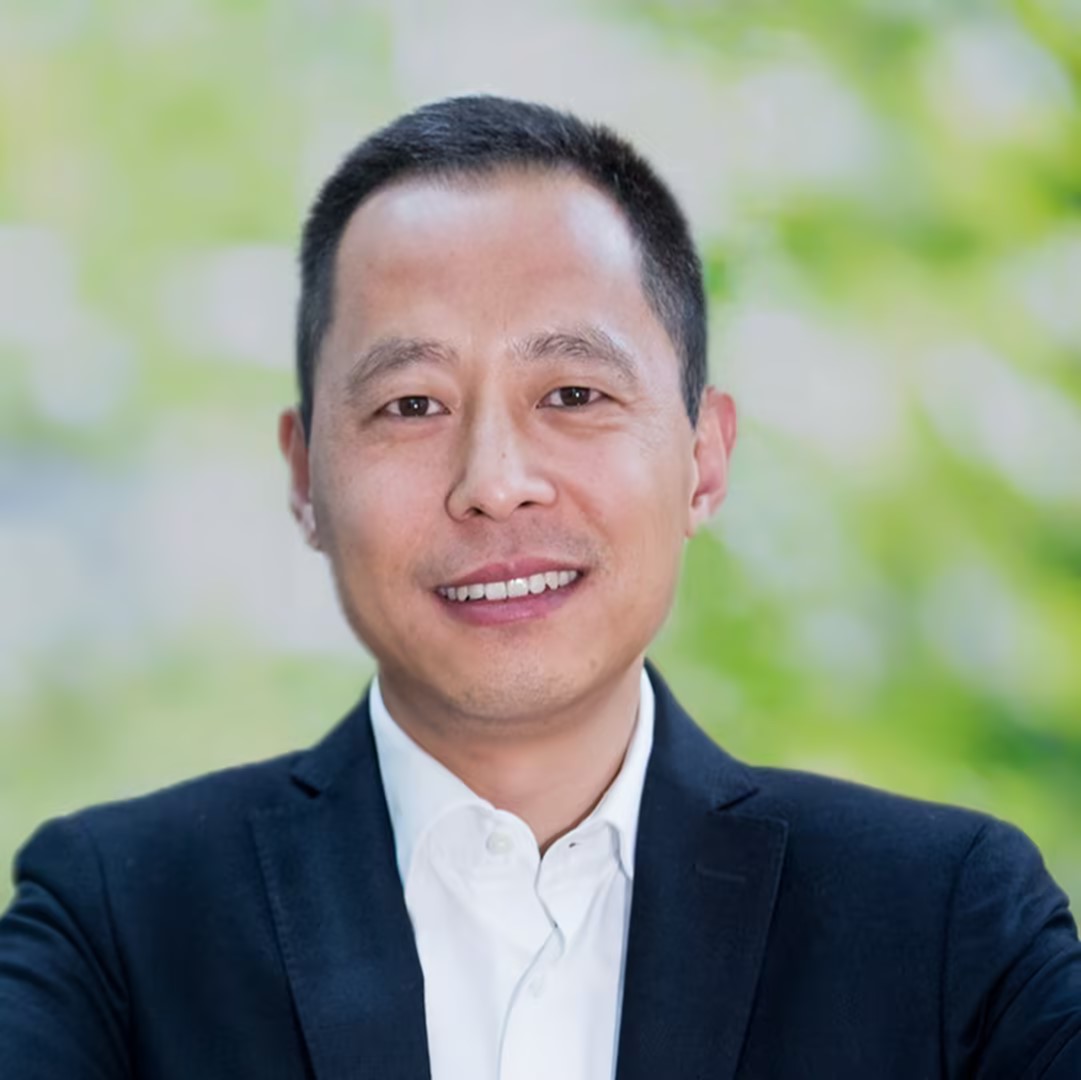 Bo Liang, MD, PhD, is chief medical officer at CORXEL and leads global clinical development of metabolic therapies toward regulatory approval. He has over a decade of experience in global safety, development, and medical affairs on GLP-1 portfolios, including innovative treatments such as icodec, semaglutide, and the icosema fixed-dose combination.