The conflict in the Middle East is exposing dangerous preparedness gaps in pharmaceutical supply chains
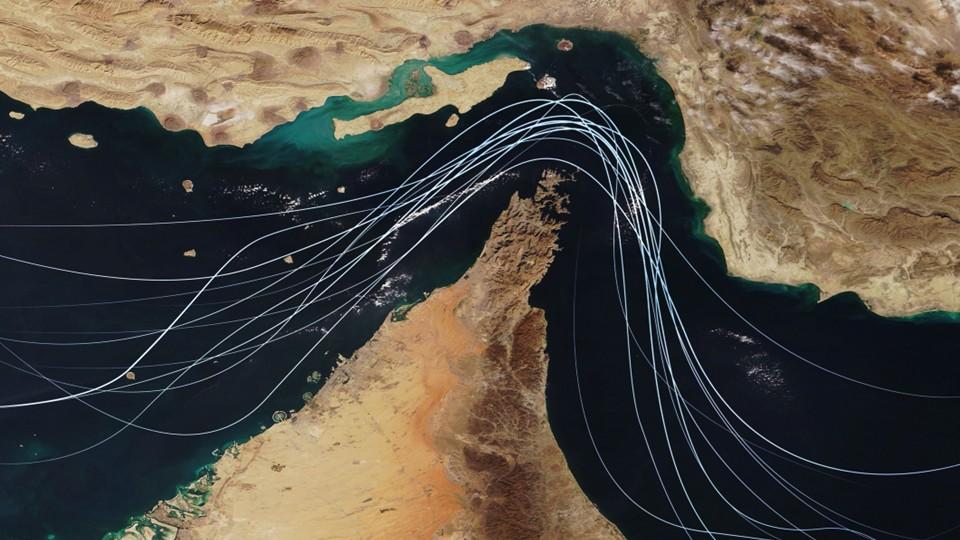
The global pharmaceutical industry has contended with many supply challenges in recent years, from the COVID-19 pandemic to the Suez Canal blockage, but it is finding itself at the crux of yet another crisis. War in the Middle East is testing supply chain resilience; key shipping routes are disrupted, air transit hubs have slowed or been brought to a standstill entirely, and the movement of goods from oil to food to pharmaceuticals is being constrained.
The conflict is a stress test of a deeply interconnected global system that drives the availability of critical medicines worldwide. Even just one small crack in this system can have a serious impact on the delivery of life-saving treatments to patients. If the conflict persists, the risk of widespread medicine shortages becomes increasingly real. In England, the head of the NHS has raised concerns about the impact of the war on medicine supply and drug prices, highlighting the severity of the situation for healthcare systems on the frontline.
The risk to drug supply
Medicines are uniquely vulnerable to disruptions caused by conflict, as unlike many other goods, they are tightly regulated and often require precise handling conditions. This leaves little room for flexibility when supply chains are interrupted unexpectedly, making rapid rerouting far more complex than in other industries.
In the context of the Middle East, disruptions to energy markets are having a particularly profound impact on supply chains. Pharmaceutical manufacturing is energy-intensive, and volatility in oil and gas supply can drive up production costs, delay output, and ultimately impact pricing and availability for patients worldwide. What’s more, medicines requiring refrigeration, including biologics and vaccines, are particularly at risk; they are typically transported via air freight to maintain cold chain integrity, but disruption to Middle Eastern airports means they risk delay and leaving their temperature zones.
The industry is also indirectly exposed through its reliance on active pharmaceutical ingredients (APIs), solvents, and intermediates sourced from global hubs such as China and India. Many of the energy supplies and upstream materials that underpin API manufacturing flow through the Strait of Hormuz. Even without immediate shortages, disruption in the region can trigger energy price spikes and input cost increases, indirectly impacting API supply.
However, the extent of this exposure remains debated. Some industry sources note that most generic medicines supplied to the NHS are not transported through the Strait, while others point out that relatively little pharmaceutical manufacturing takes place in the region itself. The result is a real lack of consensus in the industry about the risk to physical supply.
Instead, the more immediate concern lies in logistics and cost. Dubai is a consolidation hub for pharmaceutical shipments, so some supply chains are indirectly routed through the Gulf. If access through the Strait of Hormuz is disrupted, companies may be forced to ship full containers directly from India and China to Europe, rather than using consolidated routes. This can increase freight costs and extend lead times, adding further pressure to an already strained system.
The preparedness gap in pharma supply chains
To build resilience in future, pharmaceutical organisations must rethink their supply chain strategies to move beyond reactive, short-term fixes and embed long-term resilience into core operations.
However, recent findings from Argon & Co’s latest research, Operations Outlook 2026, for example, highlighted a major preparedness gap. Based on a survey of over 800 C-suite leaders, only 22% of global pharmaceutical firms were actively conducting risk assessments for geopolitical threats at the end of 2025, with the same proportion developing formal scenario planning capabilities.
This leaves the vast majority exposed to delays, cost shocks, and raw material shortages at a time when resilience is critical.
Part of the challenge lies in competing priorities and difficult trade-offs. Our research also found that 62% of life sciences leaders are under relentless pressure to reduce operational costs, while 40% cite rising raw material costs as their biggest supply chain issue. Companies recognise the need to invest in resilience, but margin constraints mean they are being highly selective in where and how they act.
How scenario planning and supply chain design can bolster resilience during crises
During previous disruptions in recent memory, like COVID-19, many companies implemented tactical fixes, like building buffers or securing alternative suppliers.
However, while effective in the moment, these measures were often temporary and not embedded in long-term strategy. Systematic, ongoing scenario planning has not been rolled out at scale.
To address these challenges, pharmaceutical companies should take a more strategic approach to supply chain design. This starts with segmenting supply chains based on product criticality, ensuring that the most essential medicines are supported by the highest levels of resilience. Measures such as dual sourcing, increased safety stock, and dedicated logistics capacity for priority products can help mitigate disruption.
Building and maintaining a digital twin of the distribution network, too, can support this. A digital twin allows firms to model alternative scenarios and routes in real-time and assess the impact of disruptions on cost and lead times. By doing so, firms can accelerate decision-making and respond more effectively when conditions change.
The vulnerabilities exposed by the conflict in the Middle East are another proof point that scenario planning should be incorporated into everyday decision-making. This means developing clear contingency plans, establishing trigger points for action, and improving real-time visibility across the supply chain. Integrating these capabilities into sales and operations planning (S&OP) processes can enable faster, more coordinated responses when disruption occurs.
Ultimately, quick fixes won’t be enough if the Middle East conflict prolongs and, even if it doesn’t, the next disruption is likely closer than we think. The current preparedness gap in pharmaceutical supply chains makes this a critical moment for leaders to act. Building resilience cannot sit on the back burner, as without embedded scenario planning and more strategic supply chain design, the risk to the continuity of critical medicines will only grow.
About the author
 Michel Savini is an associate partner at Argon & Co, where he leads the firm’s UK life sciences practice. He brings extensive supply chain experience across pharmaceuticals, biotechnology, generics, medtech, and animal health, alongside broader work in sectors such as industrials, defence, and FMCG. His work focuses on helping organisations design and implement effective operating models, optimise manufacturing and distribution networks, and improve inventory management.