Beyond animal testing: How human data trials are reshaping drug development
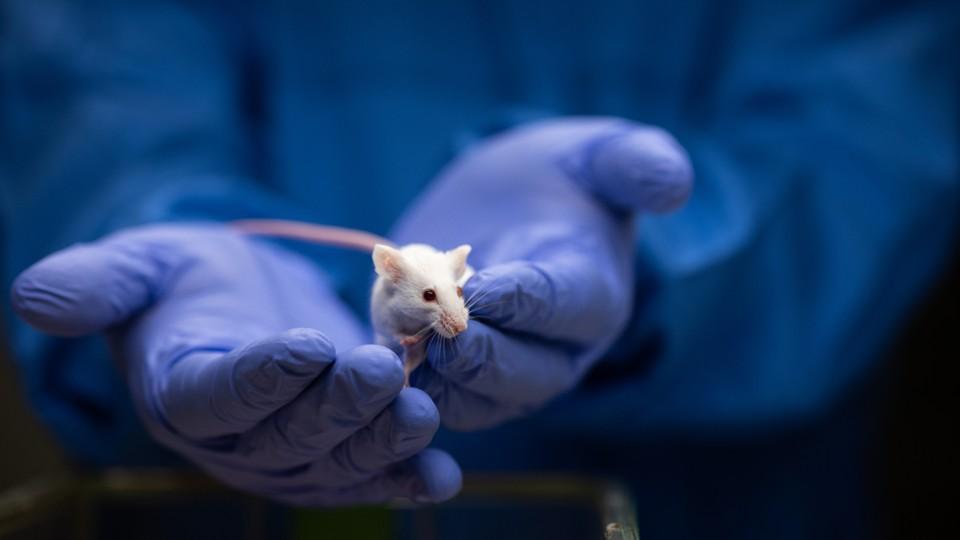
More than 90% of drugs that appear safe and effective in animal studies ultimately fail once they reach human trials, and the consequences are staggering: billions of dollars wasted, delays in new therapies, and patients left without meaningful options. The pharmaceutical industry has long accepted this inefficiency as part of the process, but momentum is now building to rethink how drugs are developed.
With new technologies that allow drugs to be tested directly in human biological systems, researchers are beginning to imagine a future in which development pipelines are more predictive, more efficient, and ultimately more humane.
Why animal models fall short
Animal testing has long been central to drug development, yet, its limits are becoming harder to ignore. Even small differences in how diverse species process drugs, such as variations in metabolism or immune response, can mean the difference between a treatment looking safe in animals and proving dangerous in people.
Recent examples reveal how easily animal results can diverge from human outcomes. Vupanorsen, an antisense oligonucleotide targeting ANGPTL3 for cardiovascular disease, appeared safe in rodents and monkeys, yet caused dose-dependent liver enzyme elevations and hepatic fat accumulation in humans – ultimately halting development in 2022. Ziritaxestat, an autotaxin inhibitor for idiopathic pulmonary fibrosis, showed no mortality or toxicity in rat and dog studies, but was terminated in 2021 after excess deaths in Phase 3 trials. BMS-986094, an antiviral for hepatitis C, was well tolerated in animal toxicology studies, yet led to fatal cardiac and renal failure in humans. These cases are not rare outliers; rather, they underscore a persistent translational gap between preclinical and clinical safety assessments
Analyses of clinical trial data show that up to half of failures occur because drugs simply do not demonstrate efficacy in humans. Around 30% are due to unmanageable toxicity, with the remainder linked to poor drug-like properties or commercial misalignment. Species differences sit at the top of the list, followed closely by the inability of animal models to reflect the heterogeneity and complexity of human disease.
Animal studies are still expected to play a smaller, but important role, since whole-organism models remain useful for understanding complex immune responses, multi-organ interactions, and certain behavioural outcomes. Where animal models are most valuable is in exploratory biology, such as hypothesis testing, or in evaluating developmental toxicities. However, the areas most likely to move away from animal reliance first – and where emerging technologies are already showing strong potential – include liver toxicity, pharmacokinetics, pharmacodynamics, and oncology. It is of note that, in April 2025, the FDA announced its plan to phase out animal testing requirements for monoclonal antibodies, an important step in moving towards more relevant, human centric models.
The promise of human organ testing
One of the most promising alternatives is the use of donated human organs that cannot be transplanted. Advances in organ perfusion technology – machines that pump warm, oxygenated fluid through organs to keep them functioning outside the body – allow researchers to maintain organs in a living state for hours or even days. This creates a platform where drug candidates can be introduced, responses observed, and high-resolution data collected.
Perfused human organs offer unique advantages. The physiological responses are likely to be far closer to those seen in patients, including subtle metabolic and toxicological pathways that animal models miss. Sampling can be conducted far more frequently and invasively than in clinical trials, enabling the capture of early warning signals long before damage would typically manifest. Organs such as the liver, kidney, heart, and lungs are particularly promising because perfusion systems for these are already well developed in transplantation medicine.
Importantly, the assumption that research organs are “too damaged” to be useful is often misplaced. Many are declined for transplantation, due to factors like donor age or logistical challenges that do not impair their scientific value. In fact, organs reflecting common patient conditions, such as cardiovascular or diabetes-related changes, may make research findings more representative of real-world populations.
How it works
When a donated organ cannot be used for transplantation, it can be redirected for research with full informed consent from the donor or their family. Transported under the same preservation systems used in clinical transplantation, the organ is quickly prepared for perfusion in a laboratory setting.
Once connected to a perfusion machine, the organ is kept “alive” by circulating blood-like fluid. Researchers can then administer drug candidates and monitor real-time responses through imaging, fluid biomarkers, and tissue biopsies. The process mimics human physiology while allowing levels of observation and control that are impossible in living patients.
Safeguards around ethics and privacy are essential. Organs are donated voluntarily with consent, and data is de-identified to protect confidentiality. The broader goal is equity, ensuring that research reflects the diversity of real patient populations and that the therapies developed ultimately benefit everyone. This also creates a unique opportunity to honour the wishes of donors and their families who want to altruistically donate, but aren’t able to when donation for transplantation is impossible.
It is important to consider that, as in living patients, scientists observe differences between organs. These differences can initially seem like a hindrance and make interpretation of data challenging, particularly if used to studying data from genetically identical mice. However, the differences between organs recapitulate the same heterogeneity that exists in our patients. Ultimately, this 'variance' therefore affords the opportunity to better understand individual patient biology and response to treatment.
Shifting regulatory and industry perspectives
Signs of change are emerging from regulators and industry alike. The US Food and Drug Administration has begun phasing out certain animal testing requirements, including for monoclonal antibodies, and Congress passed the FDA Modernization Act 3.0 in 2024 to accelerate the transition. The National Institutes of Health has also committed to prioritising human-based research technologies.
For pharmaceutical companies, the potential benefits are compelling. By integrating human organ data with other streams, including clinical records, molecular data, and organ-on-chip experiments, developers can build a more complete picture of human biology before entering costly First in Human Trials. The approach does not exclude animal data, but reframes it as one piece of a broader, human-centred stack.
For patients, the impact could be significant, with fewer failed trials leading to more therapies advancing to market and reaching those who need them faster. Every failure averted represents not just a financial saving, but years of suffering avoided.
Looking to the future
The future of drug development is unlikely to rest on a single model system. Instead, a convergence of technologies is emerging. Perfused human organs, organs-on-chips, 3D bioprinting, and multi-omics data streams are being combined, with artificial intelligence serving as the integrative layer. The ability of machine learning to unify disparate datasets promises to uncover insights into human physiology that no single approach could reveal alone.
For this vision to become standard practice, two conditions must be met. First, innovators must demonstrate reproducibility, reliability, and clear advantages over traditional models through robust validation studies. Second, regulators must provide transparent pathways for qualification and acceptance. Progress is already evident, with regulators publishing guidance and creating programmes to qualify non-animal models.
Looking a decade ahead, animal models will likely continue in a reduced role, used selectively where their strengths are most relevant. Human-relevant technologies, however, are expected to become the backbone of development pipelines. This integrated toolkit, where the right model is chosen for the right question, promises to accelerate timelines and improve translational accuracy, ultimately delivering safer and more effective therapies to patients.
The 90% failure rate in drug development is not an inevitability, but a call to action. Animal models have taken science far, yet, their limitations are now too costly to ignore. Human organ testing, alongside complementary technologies, offers a path to align drug development more closely with human biology.
The shift is already underway, supported by regulators, driven by scientific advances, and demanded by patients. What was once seen as unthinkable, the gradual replacement of animal reliance with human-based systems, is now viewed as the path forward. As the conversation moves from “if” to “how fast”, the prospect of safer, faster, and more effective therapies is coming into focus.
About the authors
 The authors of this article are members of Revalia Bio's leadership team, pioneering human data trials, a new category of pre-clinical research that gives drug developers early, predictive insights from real, functional human organs. Greg Tietjen (CEO), Jenna DiRito (COO), and Kourosh Saeb-Parsy (CMO) co-founded the company, joined by Janet Nikolovski (Chief Data & Innovation Officer) and Nabil Boutagy (Director of Human Data Trial Operations).