World Diabetes Day: Type 1 diabetes in the spotlight and under the microscope
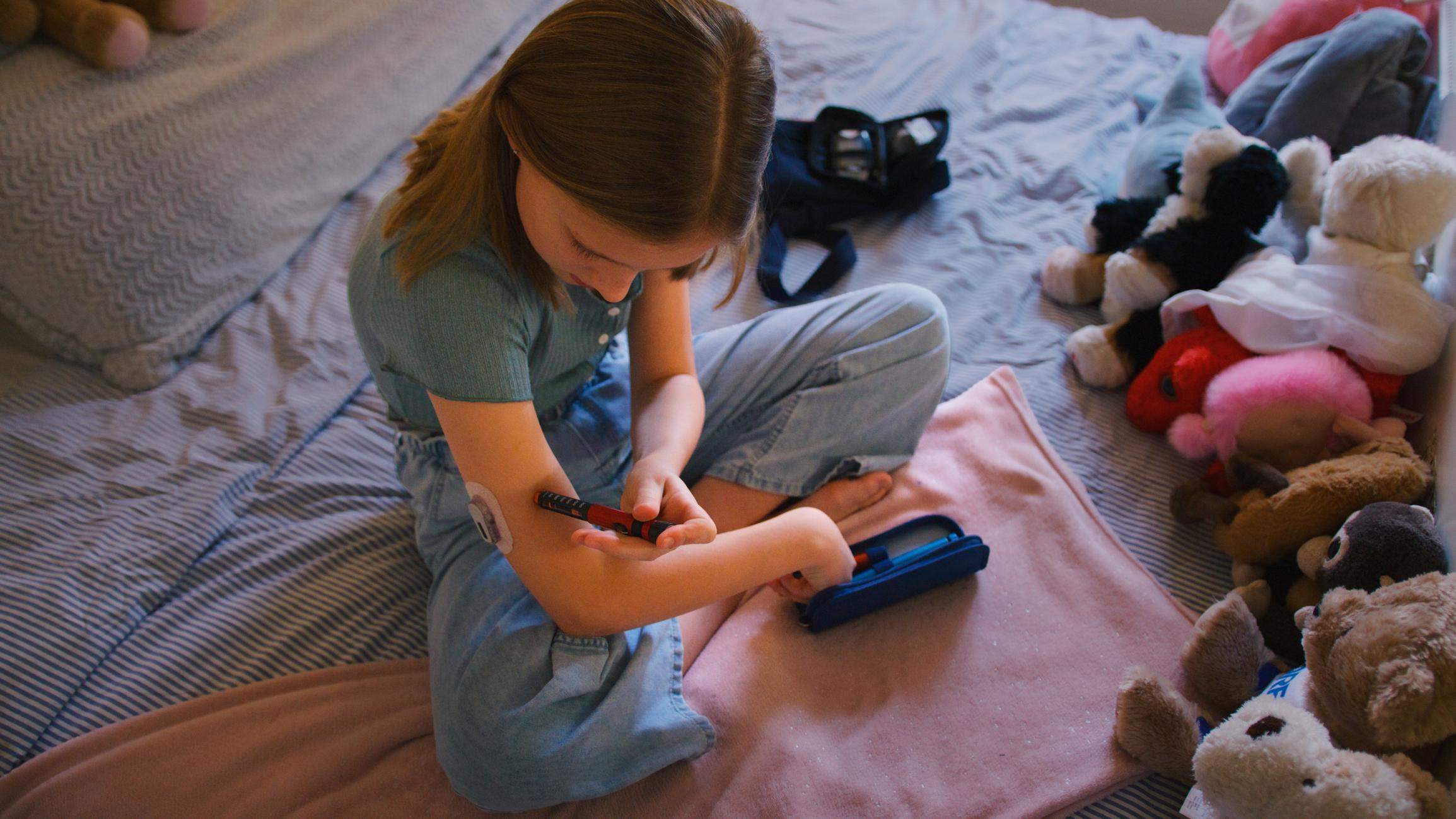
This World Diabetes Day, Sanofi UK and DigiBete are hosting a pop-up event in Leeds today and tomorrow, 14th & 15th November, to spotlight type 1 diabetes (T1D) and the importance of early detection.
T1D is an autoimmune, complex, and lifelong condition – it can happen at any age, even without family history. It is growing in prevalence in the UK, with approximately 400,000 people living with T1D, of which around 32,000 people are aged 19 years or younger. In Leeds, more than 4,500 people have T1D, including approximately 350 young people under the age of 18.
The event is also set to bring to life Sanofi UK’s ongoing work with Beano, which saw a new character, Rhymin’ Reema, who lives with T1D, introduced in a special advertorial for World Diabetes Day last year. Additionally, free ‘Beano for Schools’ resources are being launched – teaching materials to support primary school classes across the UK to deepen their understanding of type 1 diabetes.
Lived experience, expressed in music
Earlier this year, in a partnership between Sanofi UK and the Stagecoach Performing Arts School, a new teen girl band was created to raise awareness about the realities of living with t1D as an adolescent – and pharmaphorum had the pleasure of speaking with them.
1Type is a girl band to inspire. Formed of teenagers who live with autoimmune Type 1 diabetes (aT1D), frustrated by the stigma that is often directed at young people with the condition – their single released on Spotify, Rise Up, aims to raise awareness of an often-misunderstood illness that can leave young people feeling scared and alone.
Also featured is Duke Al Durham, a UK spoken word poet and hip-hop artist who also has aT1D. Together with Duke, the girls, who were selected after a nationwide talent contest run by Stagecoach Performing Arts, contributed their own lived experiences to the song's lyrics, and Sanofi UK will donate an amount matching the profits from the song to charities that support people living with aT1D.
Currently almost 40,000 young people under 19 have aT1D and the condition is increasing in prevalence – making the need to push back against prejudice and misinformation an urgent priority. aT1D is an autoimmune, complex, and lifelong condition that can happen at any age, even without family history. It can be a challenging disease, with lifelong clinical, economic, and emotional unmet needs for patients and families. In the UK, aT1D is managed through insulin therapy and glucose monitoring.
Duke himself was diagnosed at 23, requiring a considerable change in lifestyle.
“It’s relentless,” he said. “There’re no days off. You have to constantly count carbohydrates and ensure you’re injecting the correct amount of units of insulin into those carbohydrates, and then factors such as exercise, [the weather…] caffeine, things like that […] People with type 1 diabetes make something like 180 more decisions a day.”
All this has a mental impact too, of course. Indeed, ‘diabetic burnout’ can result.
“It’s a life-changing thing, especially for teenagers,” added Finley. “You’re starting secondary school, your whole timetable is changing, and you have to make different adjustments to everything, and sometimes everything doesn’t go to plan.”
“The annoying thing about it is that, when you’re doing sport at school […] you could be in the middle of, say, a netball match or hockey match, and then you have a hypo and you have to sit out and you feel like you’re letting your whole team down,” she continued.
The story is similar and yet very different for every individual with T1D.
“Every single day it is relentless,” explained Sally. “You can’t get away from it [… It’s like] you’ve got a weight pulling you down. Everyone else around you seems normal. And then, they look at you, like, ‘Why are you having sweets?’ So, it’s judgement as well […] I’ve turned into someone stronger because of type 1 diabetes.”
For Sally, when she was first diagnosed, it wasn’t external stigma that was an issue, though, but rather internal stigma.
“I do a lot of sport. I've always played sport. I've always been a half decent sportsman, played a lot of rugby, quite a bit of athletics. So, my internal stigma was basically, ‘I'm now a weaker version of myself’,” she explained. “My mindset's changed now, but it took me a good, good few years.”
“This song is trying to unite diabetics, tell them it’s okay, but then also inform everyone else,” said Finley. “We all attend Stagecoach and we all love performing […] I actually hadn't realised how many diabetic kids love performing, how many there are […] We were just lucky to be selected. And I feel like being part of this song is a fantastic journey and it's letting all of us do something that we love doing.”
“This disease isn’t going to stop us from doing what we love to do,” stated Kerrie. “In life, it’s not going to weigh us down. We all have this one disease. That brings us all together.”
“People with type 1 diabetes, especially young people, are superheroes, saving their own lives every day,” concluded Duke.
Ongoing research
Earlier this week, the BBC reported on new research on why type 1 diabetes is more severe and aggressive when it develops in young children, with the pancreas still developing, particularly under the age of seven. The study, published in the journal Science Advances, showed that it is down to the development of the beta cells living in the pancreas. The researchers from the University of Exeter studied pancreas samples from 250 donors, found that beta cells in small clusters were picked off and destroyed, while “those in larger islets were still attacked, but were more durable, allowing patients to still produce low levels of insulin which reduced the severity of their disease.” The research was part of the Type 1 Diabetes Grand Challenge organised by the Steve Morgan Foundation, Diabetes UK, and Breakthrough T1D.
There are three stages of progression of T1D.Stage 1 begins with an autoimmune attack on pancreatic beta cells which are detected by autoantibodies, though blood sugar remains normal and no symptoms are present. In Stage 2, the autoimmune attack progresses, leading to elevated blood sugar levels, but still without visible symptoms.Finally, Stage 3, or the clinical stage, is characterised by significant beta cell destruction, very high blood sugar, and the appearance of symptoms, typically leading to clinical diagnosis.
It is known that T1D is not caused by diet or lifestyle, but ongoing research has expanded understanding of the underlying autoimmune mechanisms. This has enabled earlier detection of disease before someone experiences symptoms or life-threatening complications like diabetic ketoacidosis (DKA). Diabetic ketoacidosis is a serious complication of diabetes that develops when the body can’t produce enough insulin.
Recent reports have indicated that 36% of children who now live with type 1 diabetes in the West Yorkshire Integrated Care Board (ICB) catchment area experienced DKA at diagnosis. Screening can support improved patient outcomes by helping to reduce the incidence of these T1D-associated complications, while allowing patients to transition to life with T1D as they learn about management at their own pace.
Against all this, event’s like Sanofi UK and DigiBete’s stand out with purpose to make the realities of living with T1D known and understood. Featuring iconic characters from the much-loved Beano comic, the inaugural opening is being supported by DigiBete, a Leeds-based social enterprise, video platform with the intention of sharing videos and educational resources about type 1 diabetes. The content is designed to help support children, young people, and families self-manage their own diabetes by extending the reach of clinical teams online.
Local families and residents are invited to attend the two-day event, taking place Friday 14th & Saturday 15th November at Leeds Briggate, Leeds City Centre, starting at 10:00am.