Why inclusive engagement is key to closing health gaps

Over the summer, the People Centric Advocacy Model (PCAM) launched, a new approach to tackling health inequalities.
On Thursday 10th July, a panel conducted at the launch explored ‘Closing Health Gaps For Good’, discussing why traditional campaigns often miss marginalised groups and what can be done to improve matters, including the introduction of the new, inclusive PCAM framework to help close those gaps. Panellists included: Dr Aziza Sesay (GP, Ambassador for Wellbeing of Women); Prof Rochelle Burgess (Professor of Global Mental Health and Social Justice, UCL); and Jessica Hicks (senior director, World Hepatitis Alliance).
The launch was well attended by patient groups, the NHS, pharma, and charities, with some powerful conversations around reaching underserved communities in healthcare. Other speakers on the day included: Alidor Gaspar (director, Hidden Pain Society); Paula Pohja-Hutchison (global head of health equity, AstraZeneca); and Alison Dunlop (head of advocacy, MHP Group).
As Dunlop noted, the People Centric Advocacy Model is “a simple, but powerful framework designed to put lived experience at the heart of engagement.” Built in collaboration with Prof Burgess, she continued that it is a model “grounded in trust, accountability, and collaboration.”
To find out more, pharmaphorum spoke with other speakers and panellists from the launch, in order to pinpoint the challenges, solutions, and – importantly – the best path forward.
Q: Why do traditional patient engagement methods fail to reach specific communities?
Dr Aziza Sesay: Traditional advocacy approaches often fail to reflect the cultural realities of underserved groups. Language matters – not just translation, but how we communicate. If your campaign does not represent specific characteristics, such as ethnicity, then how can people see themselves in it? I’ve had Black women tell me they did not attend breast cancer screenings because they were under the impression that it wasn’t a concern for them, simply because screening campaigns did not include people that looked like them. Furthermore, we often forget that grassroots organisations already have a level of trust within these communities. We must go to them and co-create or build upon the work they’re already doing, rather than building campaigns in silos.
Jessica Hicks: The stigma around hepatitis is huge and people living with hepatitis often come from marginalised and underserved communities, which can further compound the stigma they experience. This can stop people speaking out. Data from the European Centre for Disease Control and the World Hepatitis Alliance showed that over half of people living with hepatitis C didn’t feel comfortable sharing their diagnosis – over 34% were worried they would be treated differently in healthcare settings and 24% reported avoiding going to healthcare services when they needed to because they expected to be treated differently.1 These are the consequences of stigma, isolation, and missed engagement. To reach people, industry partners must be open to funding local community groups to continue their work and must recognise the leaders of these groups as experts in engaging their own communities.
Alidor Gaspar: When engagement feels like you're being used to share your experience only to be forgotten afterwards, it breaks trust. In the sickle cell community, people feel unheard. I’ve seen people thanked for their story and then pushed to the side. We need to build relationships that are reciprocal and lasting, not transactional.
Q: What are the biggest challenges in building trust and ensuring equitable access to care?
Professor Rochelle Burgess: Trust is hard-won and easily lost. Historical injustice, stigma, and systemic exclusion have created deep scars. The answer isn’t just better communications – it’s about sharing power. We need community co-ownership, not just community consultation.
Gaspar: Representation matters – who’s delivering the message and how. People trust those who speak their language and share their lived experience. You can’t rebuild trust without addressing the harm that’s been previously done. That means honesty, transparency, accountability, and giving people a real seat at the table.
Dr Sesay: Building trust isn’t just about intention. Too often, what those engaging with underrepresented communities fail to understand is that building trust takes respect, seeing communities as equal partners and persistence – trust cannot be gained overnight and due to previously poor experiences with health systems, those from underrepresented groups are often hesitant to believe how this time will be different; the burden to change this attitude does not lie with them.
Additional comment was sought from MHP Group’s deputy CEO, Nick Barron, also, who noted that: “Trust sits at the heart of everything we’re trying to achieve with this new advocacy model […] In a networked society, third-party advocacy is critical to building trust. If we want to drive lasting change, we need to earn the right to be heard […] Trust is built when people feel seen, supported, and empowered to lead the conversation.”
Q: Thinking practically, how can we make engagement more inclusive and effective – especially using the People Centric Advocacy Model?
Gaspar: People with lived experience need to be involved from the start. I’ve used spoken word, music, and visual art as mediums for advocacy that resonate with young people affected by sickle cell disease. When people feel seen and valued, they engage. But it has to be built into the process, not added on at the end.
Dr Sesay: People trust what’s familiar. That’s why representation is so crucial – not just in visuals, but in language, tone, and leadership. We also need to offer psychological support when people share their stories; it can be traumatic. If we ask people to relive hard experiences, we must provide therapy, not just a platform. We must also put more consideration into the mediums people are utilising these days; social media is transforming how people access healthcare information, and we must leverage these channels correctly to increase the reach to underrepresented communities. Frameworks like the People Centric Advocacy Model can help systematise what we intuitively know: that listening, inclusion, and culturally competent care are the foundation of trust.
Hicks: The Model educates industry partners on how to communicate, the importance of involving people with lived experience from idea to implementation and how to more effectively engage underrepresented communities. A key word for me when thinking about inclusive and effective advocacy is identification. The Model identifies people with lived experiences as experts and centres their voices. We can take advocacy further through collaboration and working across sectors, including with health care professionals, to help influence policy makers.
Q: What does success look like when engaging underserved communities?
Gaspar: For me, success is when the voices that need to be heard are heard. When they’re not just consulted, but actively shaping what happens and there are open channels of communications between “both sides”. It’s a journey, not a checkbox.
Hicks: True co-creation is the gold standard. If we take services to communities, embed peer voices, and share decision-making power, then we move the needle.
Dr Sesay: Success is about reducing harm, increasing equity, and providing the same standard of care to everyone.
Prof Burgess: Success means building trust and fostering meaningful relationships where communities feel heard, respected, and involved in shaping the decisions that affect them. In the short term, this looks like increased participation, community-led input shaping activities, and visible follow-through on feedback. Small wins, such as co-designing materials or shifting language to reflect lived experiences, help build momentum. Longer-term success includes sustained engagement, shared ownership, and changes that reflect community-defined priorities.
References
- Euronews, 2024. ‘I was scared’: Half of Europeans living with hepatitis struggle to tell others about diagnosis.
About the interviewees
 Alison Dunlop is senior director and head of health advocacy at MHP Group. She is a senior communications consultant with over 20 years’ experience building integrated health engagement teams across multiple business disciplines. Her expertise includes leading overarching patient advocacy campaigns across a breadth of therapeutic areas for clients, including AstraZeneca, GSK, Novartis, Merck Serono, Pfizer, and Janssen. She has executed award winning patient engagement initiatives, tailoring advocacy strategies to help improve patient outcomes. Her campaigns include introducing new models of care and supporting treatment access for patients in areas such as oncology, gynaecology, vaccines and haemophilia. Dunlop's work involves providing strategic counsel to pharma companies, helping to strengthen partnerships with patient groups and organisations through integrated solutions to disease management. This area of expertise led to Dunlop spearheading the multi-award winning campaign, New Normal, Same Cancer, for AstraZeneca.
 Nick Barron is deputy CEO of MHP Group. He is a corporate reputation strategist, who specialises in helping companies define what they stand for and building campaigns that change the conversation. Barron has advised leading global brands, ranging from Novo Nordisk, Ericsson, and Syngenta Group to Coca-Cola, Manchester City FC, and The Economist Group. He leads the Networked Age research and IP development programme and oversees the agency’s academic and business partnerships, including Cambridge University, Stanford University, UCL, and Influence At Work. He is an expert on trust and polarisation. Barron previously ran Edelman’s Corporate Reputation team in London and began his career at The Football Association and Wembley Stadium. He previously served on the board of Goldsmiths, University of London.
 Prof Rochelle Burgess is Professor of Global Mental Health and Social Justice at UCL, and deputy director of the UCL Centre for Global Non-Communicable Diseases. A qualitative social scientist trained at the London School of Economics, she is a leading voice in social interventions for global mental health. Her work centres on community-led approaches to health, with a focus on mental ill-health, wellbeing, and the social determinants of health in contexts of poverty, gender inequality, and racialisation. Over the past decade, she has led and evaluated community mental health initiatives in South Africa, Colombia, the UK, and Zimbabwe, and contributed expertise to projects addressing child health in Nigeria and TB care. She has also advised the World Health Organization on mental health policy.
 Jessica Hicks is senior director of the World Hepatitis Alliance (WHA), a not-for-profit organisation providing global leadership to drive action to help eliminate viral hepatitis by 2030. Hicks has over 10 years’ experience working within the charity health sector, both within the UK and globally. Throughout her career she has focussed on working with organisations that support vulnerable populations. Hicks has expertise in developing and delivering community led programmes and advocacy campaigns at global, regional, and local levels. She sits on several advisory boards and committees for global health, including for hepBcommunity.org, a forum for people living with hepatitis B.
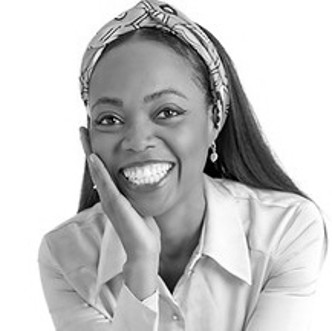 Dr Aziza Sesay is founder of Talks with Dr. Sesay. She is a GP, GP educator, Honorary Senior Clinical Lecturer, host, speaker, and health content creator. She runs a health platform called ‘Talks with Dr. Sesay' sharing evidence-based health information on a variety of topics specifically women’s health, cancer awareness, mental health, and health inequity. Dr Sesay is vice chair and creative director of Black Female Doctors UK. She is an Ambassador for the charities Eve Appeal, Wellbeing of Women, Faculty of Sexual and Reproductive Healthcare (FSRH) Hatfield Vision, and the Everywoman Festival. She is a member of the World Health Organization Fides group and is one of the select creators of the first YouTube Health Partner Programme. She is also on the YouTube IQ Creator Programme with a select few who create videos targeting underrepresented communities.
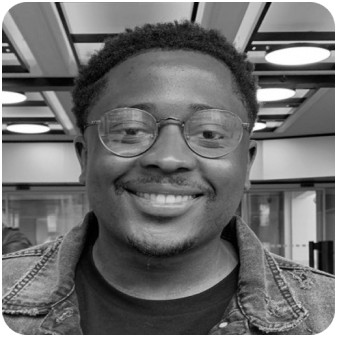 Alidor Gaspar is founder of the Hidden Pain Society. He is a sickle cell advocate, musician, and youth mentor. Living with sickle cell anaemia has driven his commitment to raising awareness and promoting blood donation. In 2023, he founded the Hidden Pain Society, a charity that educates schools, workplaces, and communities about sickle cell and the importance of compassion and blood donation. Gaspar shares his personal journey through workshops and presentations, and his advocacy has led to partnerships with BBC Radio 1, Sky UK, and The Independent.