
Responding to global greying: Does Nordic AgeTech hold the blueprint for elderly care?
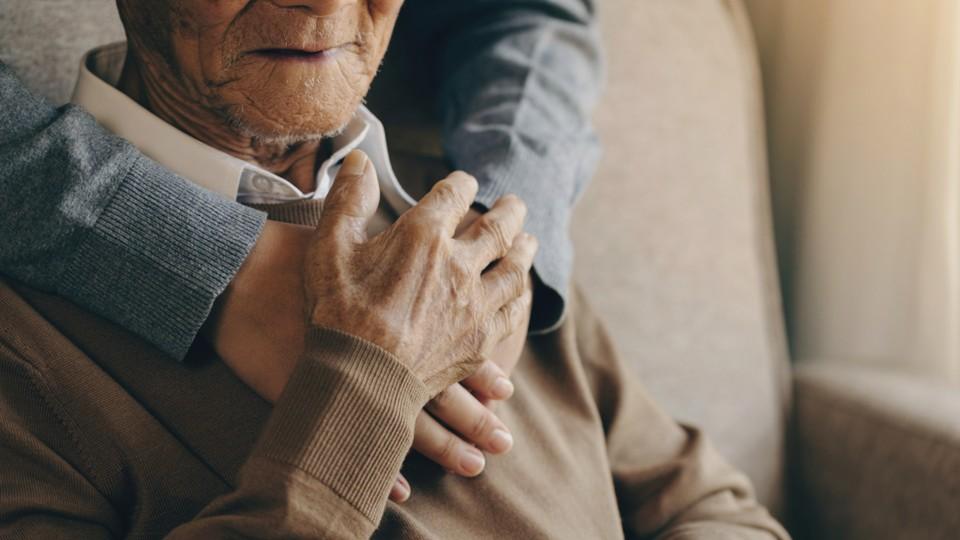
It’s a fact of life that we’re all living longer, which is reshaping the way healthcare is delivered.
The world’s population is ageing at an unprecedented rate. By 2030, one in six people globally will be aged 60 or over – that’s 1.4 billion people – and this figure is expected to double by 2050.1 As a result, the defining healthcare challenge of the 21st century is no longer getting people to old age, but getting people to old age happy, healthy, and independent.
This demographic shift is placing immense strain on health and social care systems worldwide, and calls for bold, innovative solutions to support people’s health, quality of life, and social connection as they grow older. They say necessity is the mother of invention, and the AgeTech sector is expanding to address these challenges head-on.
Perhaps nowhere is this innovation more visible, or indeed more promising, than in the Nordic countries. Widely recognised as global leaders in healthcare innovation, the region has set itself the ambitious target to become the world’s most sustainable and integrated health region by 2030, with AgeTech at the heart of this vision.
In Norway’s AgeTech ecosystem, a new generation of healthtech companies is reshaping elderly care, moving away from reactive crisis response toward proactive, personalised prevention with innovative uses of remote monitoring technology.
Stopping missteps before they happen: Contactless fall prevention technology
Falls are a silent emergency waiting to happen for millions of older adults. The leading cause of injury-related deaths among older adults, falls are responsible for 95% of hip fractures and 80% of traumatic brain injuries.2 One in four adults aged 65 and older living in the community will experience a fall each year, often with serious consequences for their health, independence, and confidence.3 Preventing falls and responding quickly to emergencies is, therefore, vital – especially for people living with cognitive decline or dementia.
Every second counts when it comes to preventing and detecting falls among older adults, and Sensio AS is leading the response to this challenge by accelerating the digital transformation of care. Their contactless multi-sensor technology provides continuous, discreet, and anonymised supervision in private homes and care facilities, without the need for traditional options such as bulky wearables or intrusive cameras.
Using AI, the system detects critical events such as falls, abnormal movements, or signs of distress in real time, and immediately informs caregivers, often enabling a response before the older adult is even aware they need help. This is particularly valuable for people with dementia, who may struggle to call for assistance themselves, depending on how advanced their condition is.
Detecting and preventing falls before they happen might sound like a simple solution – early evidence suggests that this kind of technology could reduce falls in care home settings by as much as 83%4 – but this model of care is emblematic of a broader shift in healthcare, away from reactive-based interventions and towards proactive healthcare.
Contactless care: The invisible touch to patient monitoring
As healthcare systems worldwide shift towards more patient-centric and preventative approaches to healthcare, remote patient monitoring (RPM) has become a cornerstone technology. With 115.5 million RPM global users predicted in 2027 (up from 75 million in 2023),5 the tech plays a vital role in supporting older adults to take control of their health.
Leading the way in this space is Vitalthings, who are delivering a pioneering form of contactless health monitoring without the need for intrusive cameras and wearables. Their technology quietly tracks vital signs – like respiratory rate, sleep stages, and restlessness – around the clock, giving care teams a real-time window into patient wellbeing without an intrusive “all-eyes-on-you” feeling.
This hands-off approach is a lifeline for patients with dementia who often find traditional sensors confusing or uncomfortable. Instead of routine, disruptive night checks, staff get automated overnight reports and instant alerts if a patient is out of bed, restless, or calling for help. This means care teams can detect health deterioration early, allowing for timely interventions that can prevent hospitalisations and severe complications. This approach is already delivering striking results: Vitalthings’ monitoring systems have replaced up to 50% of manual night shifts in elderly care homes, according to a recent study across three Norwegian municipalities.
Vitalthings’ contactless RPM devices are ushering in a new era of invisible, intelligent care. Their pioneering technology has set a new bar for accuracy, delivering clinically validated precision contactless respiratory rate measurements, and the system is already making waves in hospitals and care homes, where it is helping staff spot health issues early, prevent hospitalisations, and keep patients safe. It seems the most powerful form of Agetech care, may, in fact, be the devices no one really notices.
A helping hand at home: How mobility aids can reduce risk and reliance
People shouldn’t have to live their later years inactively, or move to a care home before they feel ready. But for many older adults, everyday tasks – like getting out of bed, standing up from a chair, or carrying a cup of tea from one room to another – are daily hurdles that, without the right support, can lead to falls, a loss of confidence, or long-term injury and pain.
Hepro’s range of targeted interventions tackle these problems head-on. Discreet support poles offer safety and stability for sitting, standing, or shifting positions, reducing both physical strain and fall risk. Rise-and-recline chairs assist users with limited strength to get in and out of chairs independently. Meanwhile, lightweight trolleys help people with reduced grip strength transport meals or belongings between rooms, reducing dependency on others.
These person-first products are helping a growing number of older adults across the Nordics remain in their homes for longer – living active, more fulfilling lives with far less reliance on formal care services. This translates to reduced costs, fewer hospital admissions, and a stronger sense of personal agency.
Why the Nordic blueprint is more than just a form of technology
With ageing populations becoming the global norm, the adoption of AgeTech is no longer a nice-to-have option; it’s a matter of necessity. The challenge of supporting older adults to live independently, safely, and with dignity is becoming one of the greatest tests of modern healthcare systems, and digital innovation is a vital part of the answer.
So, what can the UK learn from the approaches adopted by our Nordic neighbours to respond to the health challenges of global greying?
The Nordic countries, particularly Norway, provide a compelling blueprint for how to embed AgeTech meaningfully into care systems. Their approach is not defined solely by technology, but by a set of values and a clear philosophy:
- Person-centred: Developed with older adults to ensure accessibility, autonomy, and relevance to their daily lives.
- Integrated: Bridging healthcare, social care, and family networks into one seamless system of support.
- Data-driven: Leveraging real-time insights to enable early intervention and personalised care.
- Scalable: Already in use across hundreds of Nordic municipalities, with pilots now gaining traction in the UK and beyond.
These AgeTech innovations are proving that technology, when thoughtfully applied, can reduce health risks like falls, relieve pressure on care providers, and give older adults greater independence and control over their health and well-being.
It’s clear that AgeTech must be at the heart of healthcare, not an add-on. For the UK, and other nations seeking to build more sustainable and compassionate systems of elderly care, the Nordic blueprint shows what’s possible when strategy, innovation, and care provision are carefully aligned.
Reference
- https://www.who.int/news-room/fact-sheets/detail/ageing-and-health
- https://pmc.ncbi.nlm.nih.gov/articles/PMC10172979/
- https://www.cdc.gov/falls/data-research/index.html
- https://www.sensio.com/customer-stories/richmond-manor
- https://www.juniperresearch.com/press/remote-patient-monitoring-users-reach-115m-2027/
About the author
Maren Jervell Lund is senior business developer at Innovation Norway UK.












