Maintenance: The underexamined half of the GLP-1 story
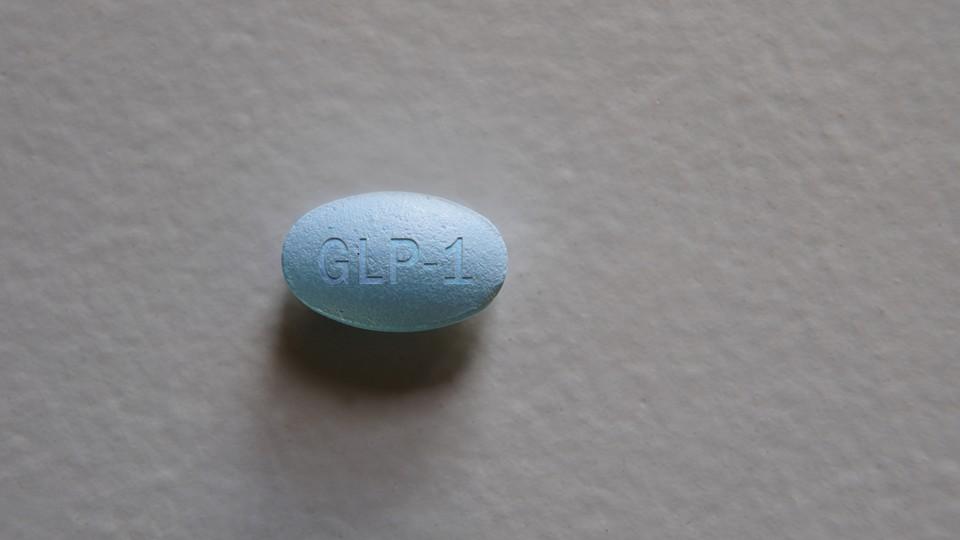
The question driving the GLP-1 market so far has been how much weight patients lose. The one that will shape the next few years is what happens when they stop – and there is, for the first time, a licensed answer. The most interesting use may be as a potential step-down option for patients coming off injectable GLP-1s.
Maintenance is the underexamined half of the GLP-1 story. GLP-1 treatments have historically had an exit problem, as appetite suppression stops when the medication stops, and follow-up data from the STEP 1 trial extension showed participants regaining two-thirds of their prior weight loss in the year after stopping semaglutide. People come off injectables for several reasons, such as the cost, needle fatigue, side effects, or even just reaching the weight they wanted. Until now, there has been no licensed step-down option, so a new daily tablet for maintenance is a genuinely new tool, rather than another weight loss treatment in an already crowded market.
That option now exists. On 10th August, the Medicines and Healthcare products Regulatory Agency (MHRA) licensed Foundayo (orforglipron) for weight management and type 2 diabetes – the first approval of its kind in Europe. It is available from private providers now, with NHS access depending on NICE guidance still to come.
As the first oral small-molecule GLP-1 agonist, it carries fewer practical constraints than the other oral GLP-1s that came before it. Unlike oral semaglutide, it can be taken at any time, with no food or water restrictions.
Why it works as a maintenance option
The MHRA has explicitly licensed and indicated Foundayo for weight maintenance, as well as weight loss – which changes what a prescriber can offer at the moment a patient decides to stop injecting.
In addition to a reduced-calorie diet and increased physical activity, Foundayo is an adjunct for weight management in adults with an initial BMI of 30 or more (obese), or with an initial BMI of 27-30 (overweight) with at least one weight-related comorbidity like prediabetes, type 2 diabetes, hypertension, dyslipidaemia, obstructive sleep apnoea, or cardiovascular disease.
A weekly injection asks more of a patient than a tablet does, as it requires a cold chain, injection technique, and sharps disposal. None of that applies here, and it matters most during maintenance. Adherence tends to slip once someone has hit their goal weight and the motivation of visible weekly progress disappears. A once-daily tablet is arguably better matched to a maintenance phase that may run for several years than a weekly injection is.
The evidence base
A phase 3 Attain-Maintain study was built to test whether an oral agent can hold weight loss that an injectable achieved. It tested giving it to people who have already achieved significant weight loss on Mounjaro (tirzepatide) or Wegovy (semaglutide) injectables and reached a plateau, allowing them to stay on treatment without staying on the injectable.
Anyone switching from tirzepatide on the maximum dose maintained all but 5 kg of prior weight loss, while those on semaglutide maintained all but 0.9 kg after 52 weeks on Foundayo – indicating weight loss was retained, not reversed.
A companion study shows this is comparable to a lower dose of the Mounjaro injectable. However, for people who prefer needle-free solutions, Foundayo may be the preferable choice.
It’s worth noting, however, that as the maintenance data runs to 52 weeks, we have not yet seen how it performs over a longer, multi-year period. It was also tested specifically on people who had already achieved weight loss and plateaued on an injectable, so it doesn’t tell us how someone who has never tolerated a GLP-1 in the first place will fare. Equally, the 5 kg differential seen in patients stepping down from maximum-dose tirzepatide is material, and is a conversation to have with a patient before switching, rather than after.
Gastrointestinal effects are the common ones. The label also carries rarer warnings covering acute pancreatitis, severe gastrointestinal reactions, dehydration and acute kidney injury, hypotension, and acute gallbladder disease. In patients with type 2 diabetes, there is an added hypoglycaemia risk when it is combined with insulin or a sulfonylurea.
Severe hepatic impairment and NYHA class IV heart failure both rule it out, and it may reduce the efficacy of some hormonal contraceptives. It can also affect concomitant medicines, so a proper consultation with your prescriber matters before initiation.
Implications for prescribers
Changing from an injectable GLP-1 medication has to be a discussion with a clinician and can’t be seen as a “straight swap”.
Six dose strengths are available, from 0.8 mg to 17.2 mg, and the licence requires at least 30 days at each step before moving up. Where escalation should start depends on the previous dose, how long the plateau has held, and what tolerability looked like on the earlier treatment.
Patients should expect gastrointestinal effects to reappear at each escalation even if they have settled on their previous treatment and should keep the same precautions they took on the injectable: hydration, protein intake, resistance exercise to protect lean muscle mass, and a low threshold for reporting severe or persistent abdominal pain.
Maintenance also needs a review schedule attached to it. A tablet that is easy to keep taking is not a reason to stop reviewing whether it is still needed.
Access and market outlook
While it is available from private licensed providers, the new weight loss treatment is not yet NHS funded as NICE guidance is pending (expected mid-November). That decision is one to watch.
Being the first European market to license it puts UK prescribers ahead of the evidence-gathering curve on real-world maintenance use. And with further trials happening, it’s likely more patients will consider not just whether they should switch to an oral option like Foundayo, but which treatment offers the best value, and what role NHS commissioning ends up playing.
References
- Phase 3 data - https://pubmed.ncbi.nlm.nih.gov/42120723/
- The companion study – https://clinicaltrials.gov/study/NCT06047548
- Licensing detail – https://www.gov.uk/government/news/uk-first-in-europe-to-authorise-orforglipron-for-weight-management-and-type-2-diabetes
- Expected NICE timing – https://www.nice.org.uk/guidance/indevelopment/gid-ta11650
- Weight regain after stopping semaglutide (STEP 1 trial extension) – https://pubmed.ncbi.nlm.nih.gov/35441470/
About the author
 Robert Bradshaw is a superintendent pharmacist at Oxford Online Pharmacy, where he has worked on the clinical team since 2016. He is also a founder member of DICE, the Digital Clinical Excellence group, and chairs its Significant Events sub-group, which shares best practice in clinical safety between online providers. Bradshaw qualified as a pharmacist in 1989 and has held a number of NHS community pharmacist roles for Lloyds Chemists, before moving to the LloydsPharmacy Superintendent Department as a professional standards & clinical governance pharmacist in 2005. He later joined Frosts Pharmacy Ltd in 2012, before becoming a superintendent pharmacist there in 2017.