Every child deserves safe care from day one

Patient safety remains one of the most pressing global health challenges of our time. Each year, an estimated 134 million adverse events occur in hospitals across low- and middle-income countries,[i] contributing to at least 3 million deaths due to unsafe care.[ii] Globally, unsafe care ranks among the top 10 causes of death and disability,[iii] underscoring the need for systemic change in how healthcare is delivered.
This year’s World Patient Safety Day theme, “Patient safety from the start!”, calls for a fundamental shift in how we think about safety. It’s a call to action to embed safety into the earliest stages of life, starting with children. Children are among the most vulnerable populations in healthcare. Their early years are a critical window for shaping lifelong health outcomes. Simple mistakes like incorrect medication dosages, unclear instructions, and delays in recognising early deterioration can have lasting consequences. But these risks are avoidable, and prevention begins with education and awareness.
Storytelling as a tool for change
To support this shift, the World Patient Safety Alliance has partnered with Elsevier and the Elsevier Foundation to launch the Doctor Safety children’s books series, which focuses on patient safety. These books aim to transform complex safety concepts – such as hand hygiene, visiting the doctor, and understanding antibiotics – into engaging stories and practical tips that children aged six to twelve can understand and remember.
By using storytelling as a medium, children’s imagination can be tapped into, making safety not just a lesson, but a lived experience. Such stories are designed to empower children to speak up, ask questions, and recognise when something doesn’t feel right. By turning safety into something relatable and memorable, children can be helped to become active participants in their own care.
The role of policy and curriculum integration
The importance of early education in patient safety is gaining traction among policymakers. On this year’s World Patient Safety Day, the UK’s Medicines and Healthcare products Regulatory Agency (MHRA), in collaboration with the Department for Education, announced a landmark initiative that medicine safety will now be embedded into the national school curriculum.
The curriculum update includes a direct link to the Yellow Card scheme and introduces a dedicated child-friendly guide, tested with over 3,500 children and young people. The guide explains what side effects are, why reporting matters, and how to submit a Yellow Card report. It also introduces children to the role of the MHRA in keeping the public safe.
By equipping children with the knowledge and skills to make informed health decisions, the groundwork can be laid for a generation that is engaged, aware, and proactive about their wellbeing. These changes reflect a growing recognition that patient safety education must start early and be integrated into everyday learning environments. The involvement of regulatory bodies like the MHRA underscores the importance of institutional support in driving systemic change. Their commitment to embedding safety into education sends a message that patient safety is not optional, but foundational.
Supporting clinicians with technology
While education lays the foundation for a culture of safety, clinicians must be equipped with the right tools to deliver safe care consistently. This is especially critical in paediatric settings, where even small errors can have significant consequences.
In paediatric care, where time is limited and decisions are critical, clinicians need tools that can help them navigate evolving evidence and complex workflows to stay informed and responsive. However, it’s important to acknowledge that technology must be implemented thoughtfully, with safeguards to ensure it complements, rather than complicates, clinical workflows.
Building a culture that lasts
Patient safety is a mindset that begins on day one and grows with every child. It is not confined to hospitals, it extends into homes, schools, and communities. By integrating safety into education, storytelling, and supportive tools, we’re shaping a future where safety is the norm, not the exception.
The collaboration between the World Patient Safety Alliance, Elsevier, and the Elsevier Foundation is an example of what is possible when organisations come together with a shared vision. The MHRA’s involvement in curriculum development sets a precedent for further regulatory bodies to follow. By embedding safety into the fabric of education, a culture of safety that will endure for generations can be created.
Let’s make sure every child receives safe, quality care from the very start.
References
[1] Global Patient Safety Observatory (2021) Who.int. Available at: https://www.who.int/data/gho/data/themes/global-patient-safety-observatory.
[1] World Health Organization (2023) Patient safety, World Health Organization. Available at: https://www.who.int/news-room/fact-sheets/detail/patient-safety.
[1] World Health Organization (2024) Patient safety, www.who.int. World Health Organization. Available at: https://www.who.int/health-topics/patient-safety#tab=tab_1.
About the author
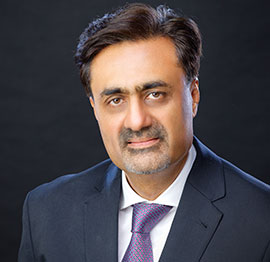 Hussain Jafri is CEO of the World Patients Alliance (WPA). He is also Assistant Professor at the Institute of Patient Safety Research, University of Kalisz, Poland, advancing academic work in patient safety and healthcare quality. Jafri serves on the WHO Civil Society Commission Steering Committee and advises WHO’s Patients for Patient Safety program, where he was formerly Vice Chair. In Pakistan, he founded the Patient Safety Initiative and was appointed Provincial Focal Person for Patient Safety and Quality by the Government of Punjab. He also established Alzheimer’s Pakistan, inspired by his experience as a caregiver. With over 30 years of advocacy, Jafri has collaborated with governments, patient groups, and global organisations. He is a member of ISQua’s Person and Family-Centred Advisory Council and the Global Alliance of Partners for Pain Advocacy (GAPPA).