Decline in overdose deaths ≠ The end of the opioid crisis

Since 2001, International Overdose Day has been observed as a moment to remember those lost to overdose and renew society’s commitment to ending overdoses. The fact that 25 years later we still need a dedicated observance speaks to how much work remains to be done, even as the latest data gives us reason for hope.
According to the CDC’s National Center for Health Statistics, opioid-involved overdose deaths fell nearly 20% in 2025, from an estimated 55,296 deaths in 2024 to 44,564 last year. Every life saved is meaningful, but nearly 45,000 deaths in one year still is far too many. And the underlying issues that drive overdose deaths have not gone away. In 2025, over 6.4 million Americans adults reported misusing prescription opioids, while fentanyl, kratom (including 7-OH), and other increasingly potent synthetic substances (such as nitazenes and orphines) remain an active part of the drug supply.
When I look at these numbers, I see clear evidence that the many clinical and public health policies, programmes, and initiatives implemented to help fight the opioid crisis are having an impact.
Healthcare providers have become more thoughtful about when and how opioids are prescribed. Access to the overdose-reversal medication naloxone (commonly known by its branded name, Narcan) has expanded. Evidence-based treatment for opioid dependence has become more widely available.
Today, three medications are FDA-approved to treat opioid dependence (OD): buprenorphine, methadone, and naltrexone. And we have oral, sublingual, and injectable forms of these medications that are available (for example, Vivitrol (naltrexone for extended-release injectable suspension) is an injectable form of naltrexone that lasts an entire month). At the same time, efforts to reduce overdose risk, improve screening and connect more patients to treatment have strengthened the broader continuum of care.
Sustaining the interventions driving progress
There is no single intervention responsible for the decline in overdose deaths, but, collectively, these advances and efforts demonstrate that evidence-based interventions can alter the trajectory of the crisis. The priority now should be to sustain what we know works and build on the momentum in order to close the gaps that still leave tens of thousands of people vulnerable to overdose each year.
We need to continue expanding access to evidence-based medications for opioid use disorder (OUD) making additional clinical treatment as accessible as possible. We need to continue expanding access to naloxone and educating patients, families, and communities on how and when to use it. We need to continue to educate people on what treatments are available and how successful they are at reducing risk and improving lives. And we need to maintain the progress that has been made in understanding appropriate opioid prescribing, ensuring that medications are used when clinically appropriate, while reducing unnecessary exposure to these highly addictive substances.
What’s next?
In addition to prioritising the things we know are working to help curb the opioid crisis, we also need to explore new ideas for supporting those who may be struggling.
For example, we need to ensure that people living with OUD can identify, access, and remain engaged in appropriate care. That begins with making sure that OUD is recognised as a medical disorder and people with OUD are treated as patients who need and deserve medical care. Sometimes when patients arrive in emergency departments and other healthcare settings they are perceived as “drug seekers”, when what they are actually doing is presenting with a medical disorder that requires treatment and, if left untreated, can be fatal.
This fundamental misunderstanding can shape how healthcare professionals approach patients and can prevent patients from feeling safe even asking for help. We need more education across the healthcare system and in public discourse so OUD is understood to be the same as any other chronic medical condition.
That also means taking advantage of opportunities to connect people with treatment earlier in their journey. Every interaction with the healthcare system is an opportunity to talk about opioid use, identify signs of dependence, and help someone understand the treatment options available to them. This means that all medical providers should receive comprehensive, standardised training in how to assess for, identify, and provide care for OUD, which is not currently the norm.
And beginning treatment is only the first step. Staying engaged in treatment can be difficult for a number of reasons, including barriers that have little to do with a patient’s willingness to continue care. Limited access to providers, insurance coverage, transportation, cost, and other structural challenges can all make consistent treatment hard to sustain. Sometimes people are managing co-occurring mental health conditions that can complicate care. There can also be fatigue that comes with managing a chronic medical condition over time. Helping people stay engaged in treatment requires addressing disparate clinical and psychosocial factors, as well as systemic barriers, that can stand in the way of long-term recovery. Every additional barrier creates another point at which a patient can disengage.
All of this points to a critical need to meet patients exactly where they are. At Wholeview, for example, we aim to lower barriers and give people “low threshold” options that hopefully make it easier for them to take a first step into care.
Meeting patients where they are may mean agreeing to start medication and case management as a first step and building toward a more comprehensive approach. For others, it may be starting with an intensive programme that includes a referral for in-patient care. If someone is only ready to “dip their toe in”, but not jump into the deep end, we should be willing to meet them there, rather than put obstacles in their way. The more options and opportunities we can give people to enter and remain in treatment, the better chance we have of sustaining the progress we are beginning to see.
Long-acting treatment can remove some barriers
Enhancing treatment adherence and reducing the day-to-day burden of managing medication is one reason I believe long-acting injectable (LAI) medications should become an increasingly important part of addiction treatment.
Taking medication everyday can be difficult, especially for patients who have trouble taking their medicine consistently or staying connected to the healthcare system. This can be even harder for people who are managing a mental health condition or other challenges in their lives. Instead of having to remember to take a pill every day, LAI’s are injections that can last several weeks. Vivitrol, for example, is an injection given monthly to prevent relapse to opioid dependence following opioid detoxification and is used as part of a comprehensive recovery programme that includes counselling.
The goal is not to find one treatment that works for everyone, but rather to make sure patients have options and that providers are removing as many barriers to treatment as possible. For some patients, an LAI may make it easier to remain engaged in care. For someone else, another treatment programme may be a better fit. What matters is that we have multiple ways to help people and that we talk to people openly and honestly about their struggles, and that we help them choose the best and safest path forward.
International Overdose Awareness Day is a painful day for the millions of Americans who have experienced an overdose, for families and friends who have lost loved ones to overdose, and for those who may still be struggling with OUD. I lost my uncle and his daughter, my first cousin, to overdose, so this is personal for me, as it is for an estimated 49 million Americans.
This day is a moment to reflect on the positive progress we’ve made and to continue striving for a better future. Our work is not done, we know now what works and, together, we can continue to change the trajectory of this crisis. We need to keep up that momentum; so many lives depend on it.
About the author
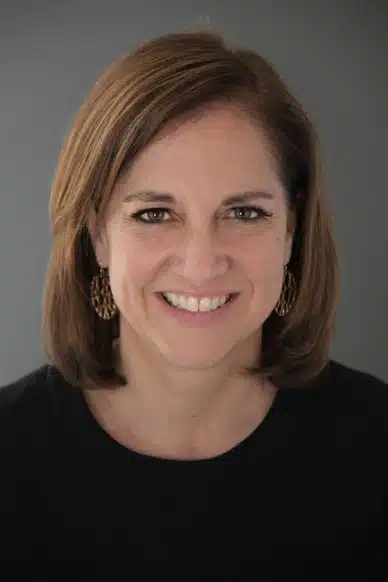 Dr Sarah Church is a clinical psychologist with more than 20 years of experience in research, programme development, and treatment of patients with substance use and co-occurring mental health disorders. She is an expert in Mentalization Based Therapy (MBT), Cognitive Behavioural Therapy (CBT), Community Reinforcement Approach (CRA), Community Reinforcement Approach and Family Therapy (CRAFT), and Contingency Management.
Before starting Wholeview, Dr Church served as the executive director of the Division of Substance Abuse at Montefiore Medical Center and as an Assistant Professor in the Department of Psychiatry and Behavioral Sciences at Albert Einstein College of Medicine for 16 years. She completed a Predoctoral Fellowship in Addiction at the Yale University School of Medicine and a postdoctoral year at the Substance Treatment and Research Service (STARS) at Columbia University Medical Center after graduating from Fordham University with a Doctorate in Clinical Psychology, and from Columbia University with BA in Psychology. Dr Church was appointed by Mayors Bloomberg, De Blasio, and Adams to the NYC-DOHMH Community Services Board and serves on the Board of the Coalition of Medication-Assisted Treatment Providers and Advocates (COMPA). She is a past president of the Division on Addictions at the New York State Psychological Association (NYSPA). Internationally, she has provided consultation to the United Nations Office of Drugs and Crime (UNODC) for both Vietnam and Afghanistan as they develop medication-assisted treatment centres in their countries.