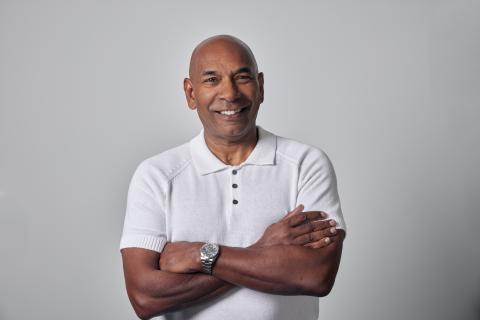
Bringing awareness to Brain Tumour Month, personally
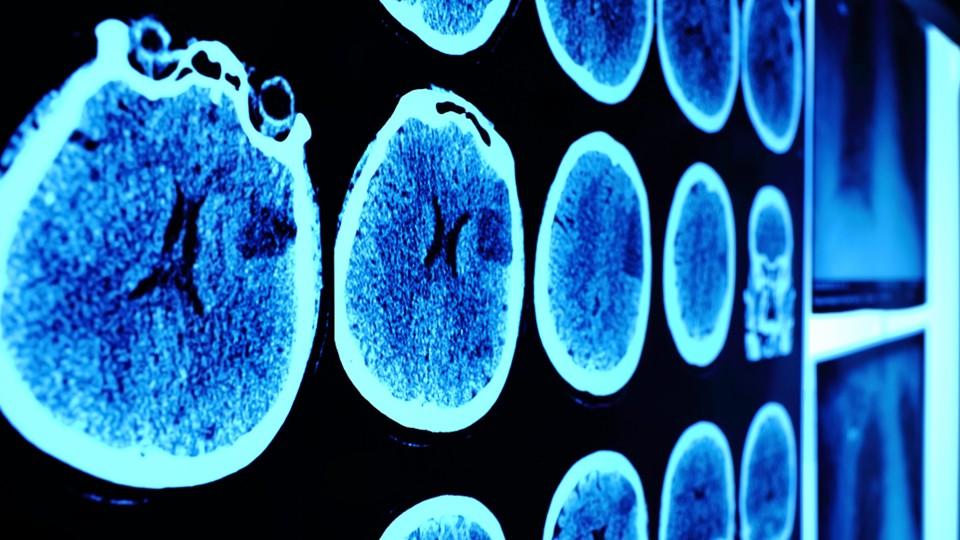
According to the latest statistics, brain tumours are still the biggest cancer killer of children and young adults under 40 in the UK.
According to the latest data, more than 5,400 people lose their lives to a brain tumour each year.
But brain cancer clinical trials have the lowest recruitment levels of all cancer clinical trials.
The sobering statistics are ones that Jim Michel, 64, understands all too well. The co-founder and Chairman of Inventus was diagnosed with a benign brain tumour in 2018. In recent months, following seven years of regular monitoring and check-ups by doctors, he was finally given the all-clear.
Inventus is the only company in the world dedicated to creating purpose-built technology solutions and devices exclusively for clinical trials.
Here, Jim Michel reveals how living with a benign brain tumour has influenced his life and also shaped his understanding of the patient experience.
Diagnosis
It was March 2018 and the second day of holiday at the Sandals Royal Caribbean. My partner and I were about to have lunch and we were at the buffet section. As I’m walking back to our table, I started to feel dizzy, unsteady on my feet, I went cold and started sweating. I sat down and said to my partner I felt unwell and she told me to go back to our room and rest. I remember saying ‘I’m not going to make it back to the room’. That was the last thing I said before I collapsed headfirst onto the table and then fell on the floor.
I was taken to the local hospital in Montego Bay in Jamaica, had lots of tests, and they wanted to detain me overnight. I decided not to do that and that’s when they advised me that I should get fully checked out when I return home.
After returning from my holiday, I went to see my GP and underwent numerous blood tests and checks. I then had to go for an MRI Scan, after which I was referred to a neurologist at St George’s hospital in Tooting, South London.
They informed me that I had a lesion on the brain. I asked them to clarify exactly what that meant and they told me I had a tumour on my brain and that it was benign. That was around July 2018.
Life after diagnosis
Needless to say, the diagnosis was a shock. Up until that point, I had taken my health for granted and I was chilled in general about health.
So, I spent time gathering my thoughts: what did I want to say to my daughter, to my partner, and my siblings? I needed them to know I was okay and for them not to worry.
Although the tumour was benign, there was still a possibility that it could grow, and I was being monitored for that. I had also read that other people had benign tumours and had to undergo operations because it was growing.
My partner has been very supportive. She kept reminding me that the tumour was benign and, if the consultant was overly concerned, then, I would already have had an operation to remove it.
Talking about the tumour helped immensely; I never avoided discussions about it. By being so open with friends and family, I stopped thinking about what might happen. This gave me the confidence to remain positive about my life and enjoy every day.
Inventus, clinical trials & the patient experience
Almost two years after my diagnosis, I decided to co-found Inventus with CEO Steve Sanghera.
Inventus delivers secure, connected, patient, and site-friendly devices and technology solutions across a multitude of therapeutic areas and countries within clinical trials.
Brain cancer clinical trials have the lowest recruitment levels of all cancer clinical trials. What my experiences, personally and through the work carried out by Inventus, have taught me is that fear, lack of awareness, and lack of education are all integral to the problem.
There is still a huge stigma attached to the dangers of clinical trials and the concern that you are putting your life at risk instead of saving it.
However, there is a lot of great work taking place in clinical trials and we need to do more to get people involved. Technology and the use of health data are playing an important role in supporting with this because they can help identify patients who could potentially benefit from being involved in a clinical trial. It’s all about creating an ecosystem where technology can be used to break down barriers and gain trust.
Working with sponsors has helped give me a deeper appreciation of what sponsors are doing and how it benefits the life sciences sector. Dealing with large sponsors and understanding how they conduct their trials, the length of their trials and why the patient and site are so important to them – sponsors work tirelessly and are always looking to produce drugs that address medical needs.
I also have a greater appreciation of the patient journey when it comes to clinical trials. The patient goes on a structured journey from screening to post-trial follow-up, characterised by informed consent, rigorous monitoring, and frequent interaction with medical staff.
The future
My last MRI scan was in October last year and I was told I would not need to be seen for another three years. The consultant did not anticipate any growth in the future and I was basically given the all-clear. I was overjoyed!
Although my next monitoring is now going to be in a couple of years’ time, for the first seven years after diagnosis, I had annual or biannual check-ups to assess whether there was any growth; so, I do/did resonate with what patients are going through.
I don’t think about the tumour anymore, but you never know what’s around the corner and I want to just enjoy life with the people closest to me.
About the author
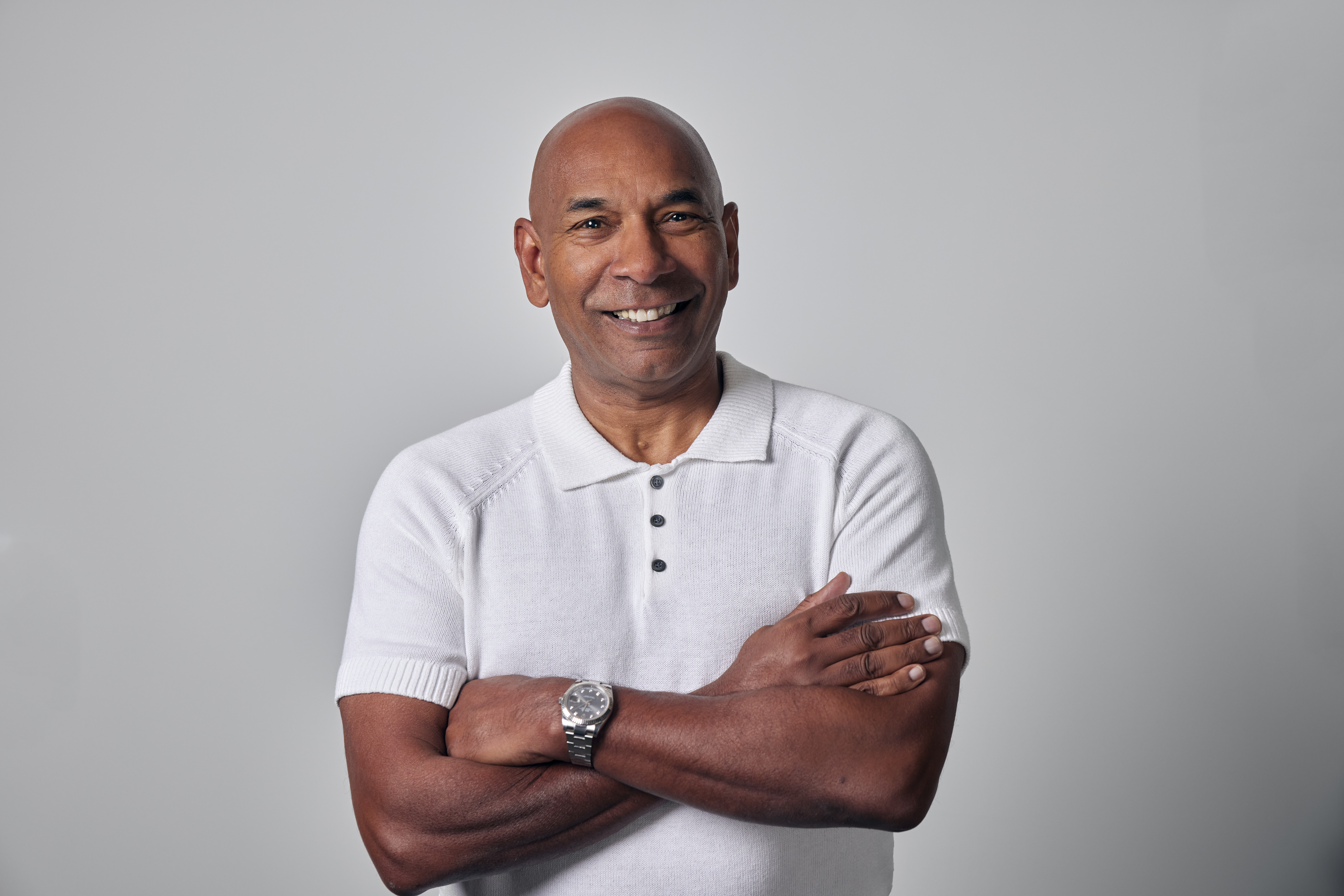
A respected name in the world of mobile technology, Jim Michel co-founded Inventus with a clear vision in mind: technology should serve to create meaningful impact and change. It is a goal he is proud Inventus has achieved as the only company in the world to create tailored tech devices for use in the clinical trials space.