Building a Phase I oncology centre
The ambition to build a Phase I oncology clinical development centre can be deceptively simple. The temptation is to establish the full infrastructure, recruit a specialised team, and begin taking on the most complex early phase studies from day one. But for many institutions, that may be the wrong sequence.
A more sustainable approach may be to build clinical development capability progressively: leverage existing strengths, establish the operational foundation, demonstrate execution through Phase Ib and Phase II studies, and then expand selectively into Phase Ia development as the organisation earns the experience and credibility required.
The question is not whether an institution should ultimately develop Phase Ia capability. It is when the organisation is ready to take on that level of complexity.
Start with existing strengths
The foundations for a successful oncology clinical development centre often already exist within hospitals and academic institutions. A strong oncology patient population, experienced investigators, infusion capabilities, pathology and molecular diagnostics, multidisciplinary tumour boards, and established relationships with academic researchers can provide an important starting point.
The challenge is to connect these assets into a coordinated clinical development platform that is attractive to pharmaceutical and biotechnology sponsors.
This requires more than physical infrastructure. Sponsors need confidence that studies will be conducted with high-quality data, appropriate patient selection, reliable safety oversight, efficient regulatory processes, and consistent operational execution.
The first objective should therefore be to convert existing institutional strengths into a coherent, sponsor-ready clinical development capability.
Build the foundation before greater complexity
A common strategic temptation is to build a comprehensive Phase I centre from the outset, including all the infrastructure and expertise required for the most complex early phase studies. For many institutions, this may be premature.
Phase Ia development involves substantial medical, operational, regulatory, and safety complexity. It requires experienced investigators and study teams, rigorous safety processes, rapid clinical decision making, appropriate quality systems, and the ability to manage novel therapies and potentially unfamiliar toxicities.
Rather than beginning with the most complex development model, institutions can first establish the organisational foundation through Phase Ib and Phase II clinical development. This creates an opportunity to develop the people, processes, and systems required for high-quality clinical research while demonstrating that the centre can execute studies successfully.
Operational maturity is not simply a matter of having the right facility. It means having clinical expertise, regulatory and quality infrastructure, patient identification capabilities, safety processes, and operational discipline required to deliver studies reliably.
Use execution to build credibility
Clinical development capability is ultimately judged by execution.
A centre may have an impressive facility and a strong scientific environment, but pharmaceutical sponsors need evidence that the organisation can recruit appropriate patients, conduct studies efficiently, maintain data quality, manage safety and regulatory requirements, and deliver against agreed timelines.
Phase Ib and Phase II studies can therefore serve a purpose beyond generating clinical data. They can become a platform for building institutional credibility.
Successful execution creates experience. Experience creates sponsor confidence. Sponsor confidence can generate additional studies, stronger industry relationships, and a broader clinical development portfolio.
This creates a virtuous cycle in which the centereprogressively strengthens both its capabilities and its reputation.
The objective is not simply to accumulate trials. It is to establish a track record that demonstrates to pharmaceutical and biotechnology companies that the institution can be trusted with increasingly sophisticated clinical development programmes.
Expand into Phase Ia selectively
Once the foundational capabilities and track record are established, the institution can consider expanding into Phase Ia and other highly complex early development activities.
This should not be viewed as an automatic next step. The decision should depend on several factors: the availability of appropriate patients, demonstrated operational maturity, the experience of the clinical team, regulatory and safety infrastructure, sponsor demand, and a compelling strategic rationale.
The resulting model is straightforward:
Build capability → demonstrate execution → establish credibility → expand selectively.
The sequence matters.
Moving into Phase Ia before the necessary capabilities are mature can create substantial operational and financial risk. Conversely, waiting indefinitely to expand may prevent an institution from capturing opportunities arising from its scientific and clinical strengths.
The objective is to identify the point at which the next level of complexity becomes justified.
Build the ecosystem, not just the centre
A successful Phase I centre should also be viewed as part of a broader oncology ecosystem.
Its value can extend beyond the studies conducted within its walls. Strong relationships with pharmaceutical and biotechnology companies can create opportunities for sponsored trials, investigator-initiated research, translational collaborations, and access to emerging therapeutic technologies.
Academic partnerships can strengthen scientific capabilities, while connections with pathology, molecular diagnostics, and other specialised disciplines can improve patient identification and trial selection.
Over time, this ecosystem can become a competitive advantage.
The strongest centres are therefore unlikely to be defined simply by their facilities or the number of trials they conduct. Their strength will come from the integration of scientific expertise, clinical capabilities, operational excellence, and industry relationships.
Capability before complexity
The ambition to create a leading Phase I oncology clinical development centre is entirely justified. But the path to that goal does not necessarily begin with a fully developed Phase Ia platform.
A more sustainable approach is to build from existing strengths, establish the operational foundation, demonstrate successful execution through appropriately selected Phase Ib and Phase II programmes, and use that experience to build credibility with sponsors and partners.
Only then should the organisation selectively expand into more complex early phase development where the scientific opportunity, patient population, infrastructure, and strategic rationale align.
In oncology, where scientific innovation continues to accelerate, institutions will increasingly need to demonstrate that they can translate scientific opportunities into well executed clinical development.
The goal is not simply to establish a Phase I centre. It is to build a centre that becomes progressively more capable, more credible, and more valuable to patients, researchers, and industry.
About the author
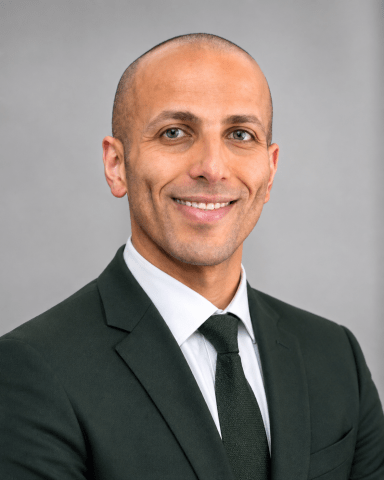
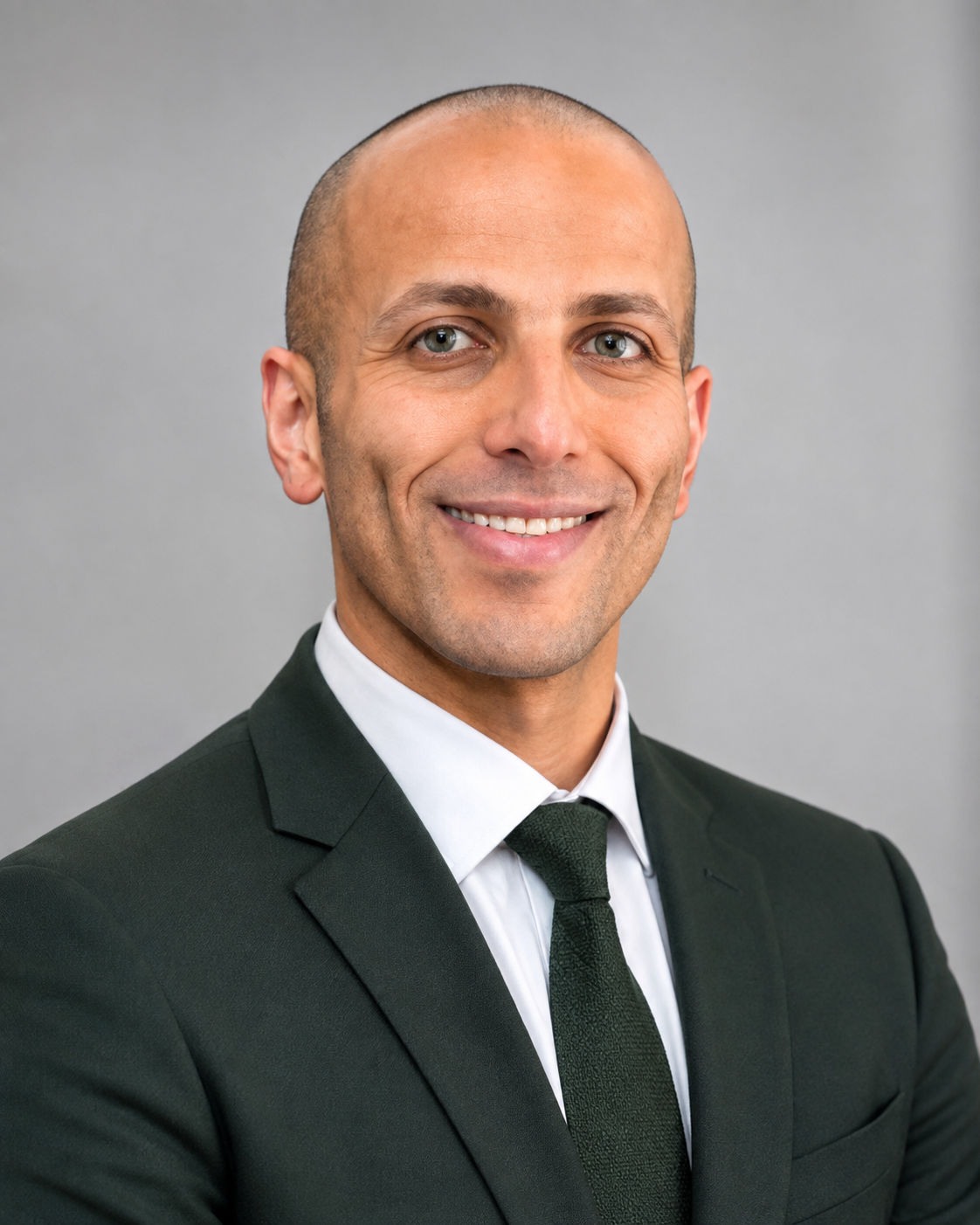 Professor David Adler, MD/PhD, MBA, is a senior pharmaceutical leader in oncology clinical drug development and translational medicine, with more than 15 years of industry and academic leadership experience. He spent a decade in senior leadership at Bayer AG’s Global Oncology Clinical Development organisation and currently serves as chief scientific & medical officer of the PATHORA Institute of Pathology & Tissue Medicine. He holds academic appointments at the Hebrew University of Jerusalem, Ben-Gurion University of the Negev, and the University of Bonn.