Advancing the case for cell and gene therapies

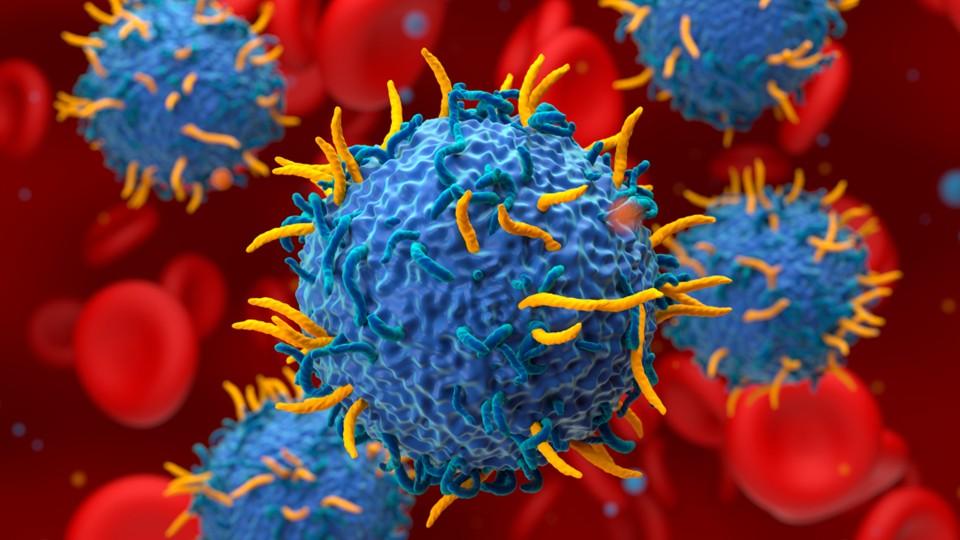
Cell and gene therapy (CGT) has had a tough few years, with questions over cost, scalability and manufacturing making investors think twice about plunging in. But the depth and breadth of innovation taking place in the sector is staggering.
Last month, the ExCeL centre in London’s Docklands hosted the Advanced Therapies Congress, Europe’s largest commercial cell and gene therapy conference and exhibition. It brought together well over 3,000 global executives, to listen to more than 300 speakers and peruse the stands of some 50 solution providers – and, of course, network amongst themselves.
So it was that pharmaphorum spoke to attendees Lara Campana, co-founder and senior vice president of research and translational science at Edinburgh and London-based Resolution Therapeutics, together with Dr Sam Barker, chief business officer of Cambridge’s ViaNautis, to take the temperature of the event.
Resolution Therapeutics is a clinical-stage biotech developing Regenerative Macrophage Therapy. Its lead asset RTX001, for end-stage liver disease, is currently being tested in a Phase I/II clinical trial in 15 hospitals across the UK and Spain. Meanwhile, ViaNautis is aiming to radically improve delivery of CGT therapies by targeted delivery using its patented polyNaut nanovesicles.
Q. What did you find to be the most important scientific insight or translational advance discussed at Advanced Therapies UK 2026, and why?
Lara Campana [LC]: Two insights stand out. First, in vivo cell therapy – using genetic engineering directly in patients – is gaining strong momentum, with delivery vector technology showing potential beyond CAR-T to targets like myeloid cells. Second, biomaterials are emerging as critical enablers for regenerative medicine delivery, particularly for CNS applications.
Dr Sam Barker [SB]: The conference made clear that non-viral, in vivo delivery has moved from concept to clinical reality. Serious pharma investment and early clinical data are validating these approaches. As delivery catches up with payload science, advanced therapies can reach prevalent disease populations, not just rare indications.’
Q. Which fundamental scientific bottleneck – such as delivery, durability, immune interaction, target specificity, or manufacturability – is the field now best positioned to overcome?
LC: Manufacturability is the field's most critical near-term challenge, especially for ex vivo cell therapies. Encouragingly, advances in automation and digitalisation for process and analytical development were well represented at the conference and could deliver rapid gains in reproducibility, speed, and cost of manufacturing.
SB: Delivery – extra-hepatic, targeted delivery specifically. The core question has shifted from ‘Can we edit or introduce a gene?’ to "Can we get the payload to the right tissue safely and repeatedly?’ Next-generation non-viral platforms are now showing the modularity and tolerability needed to crack that problem.
Q. Which technology, platform, or biological approach discussed at Advanced Therapies UK 2026 do you think will accelerate clinical translation over the next two to three years?
LC: Innovatively designed lipid nanoparticles and viral vectors emerged as leading platforms to accelerate in vivo cell therapy translation. If these achieve strong tolerability and efficacy in the clinic, they could overcome scalability and cost barriers, unlocking cell therapy in indications that have to date proved difficult to address.”
SB: Engineered non-viral delivery systems, in ViaNautis’s case polymer-based, with modular tissue targeting and the ability to redose. Paired with advances in RNA and gene-editing payloads, these should open indications that viral vectors cannot practically serve, particularly in inflammation, CNS, and lung disease.
Q. How is your company contributing to the advanced therapies sector, and did the discussions at the conference reinforce or refine your scientific or translational strategy?
LC: We lead in developing Regenerative Macrophage Therapy (RMT) for inflammatory and fibrotic diseases – uniquely targeting dysfunctional microenvironments to enable local regenerative processes. The strong interest in the material we presented on our lead asset RTX001 reinforced our conviction in our approach and our dedication to our ongoing Phase I/II EMERALD trial – both to interim analysis (due Q3) and beyond.
SB: ViaNautis is building a polymer nanovesicle platform for non-hepatic, targeted delivery of genetic medicines. The conference reinforced our view that scalability and COGS must be addressed early – not retrofitted post-clinic. Partnering conversations increasingly reflect this, with pharma scrutinising manufacturing economics alongside biodistribution and comparative performance data.
Q. Looking five to 10 years ahead, how do you expect the science underpinning advanced therapies to evolve?
LC: Three pillars will define CGT's next decade: AI, automation, and digitalisation, enabling more efficient manufacturing; refined delivery systems such as LNPs, viral vectors, and exosomes, which will enable safer and more standardised in vivo approaches; and advanced biomaterials, which will help overcome delivery barriers to the CNS and solid tumours. Together, these will make CGTs more standardised, accessible, and commercially sustainable.
SB: We'll move from single, high-cost interventions toward programmable, redosable genetic medicines for common diseases. Delivery platforms will become modular and indication-agnostic, manufacturing will industrialise through automation and platform standardisation, and in vivo approaches – CAR-T , gene therapy – will increasingly replace complex ex vivo therapies.
Q. What scientific advances discussed at the conference were most relevant to your area?
LC: Emerging mesenchymal stromal cells (MSC) approaches modifying the disease microenvironment, and fibrosis-targeted FAP CAR-T strategies, echo the microenvironment-rewiring rationale behind Regenerative Macrophage Therapy (RMT). While at earlier stage of development than RMT, they share our mindset of a shift toward considering chronic inflammatory and fibrotic diseases like end-stage liver disease and idiopathic pulmonary fibrosis – devastating conditions with no or limited treatment options today – as ‘solvable’.
SB: Viral vectors built this industry, but hit intrinsic limits on redosing and scale. First-generation non-viral systems face similar constraints around tissue targeting. The next wave requires genuinely novel materials science and scalable manufacturing, not just incremental lipid chemistry, alongside advances in payload design for durable expression.
About the interviewees
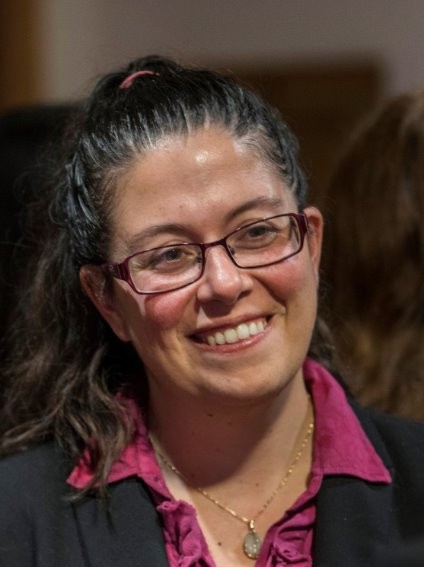
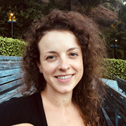
Lara Campana, PhD, is the SVP of research and translational science and a member of the founding team at Resolution Therapeutics. She achieved a Bachelor’s degree in Medical and Pharmaceutical Biotechnology, followed by a Master’s in Cellular and Molecular Medical Biotechnology from the San Raffaele University in Milan, Italy. She then successfully obtained a PhD in Cellular and Molecular Immunology, as part of a programme run by the San Raffaele University in collaboration with the Open University (Milton Keynes, UK). Her long-term research interest is the role of inflammation in tissue repair. She then moved to the University of Edinburgh, where she studied the role of macrophage phagocytosis in acute and chronic liver injury, under the supervision of Prof John Iredale (2013-2016) and Prof Stuart Forbes (2016-2020). She is author of more than 20 papers in international peer-reviewed journals.
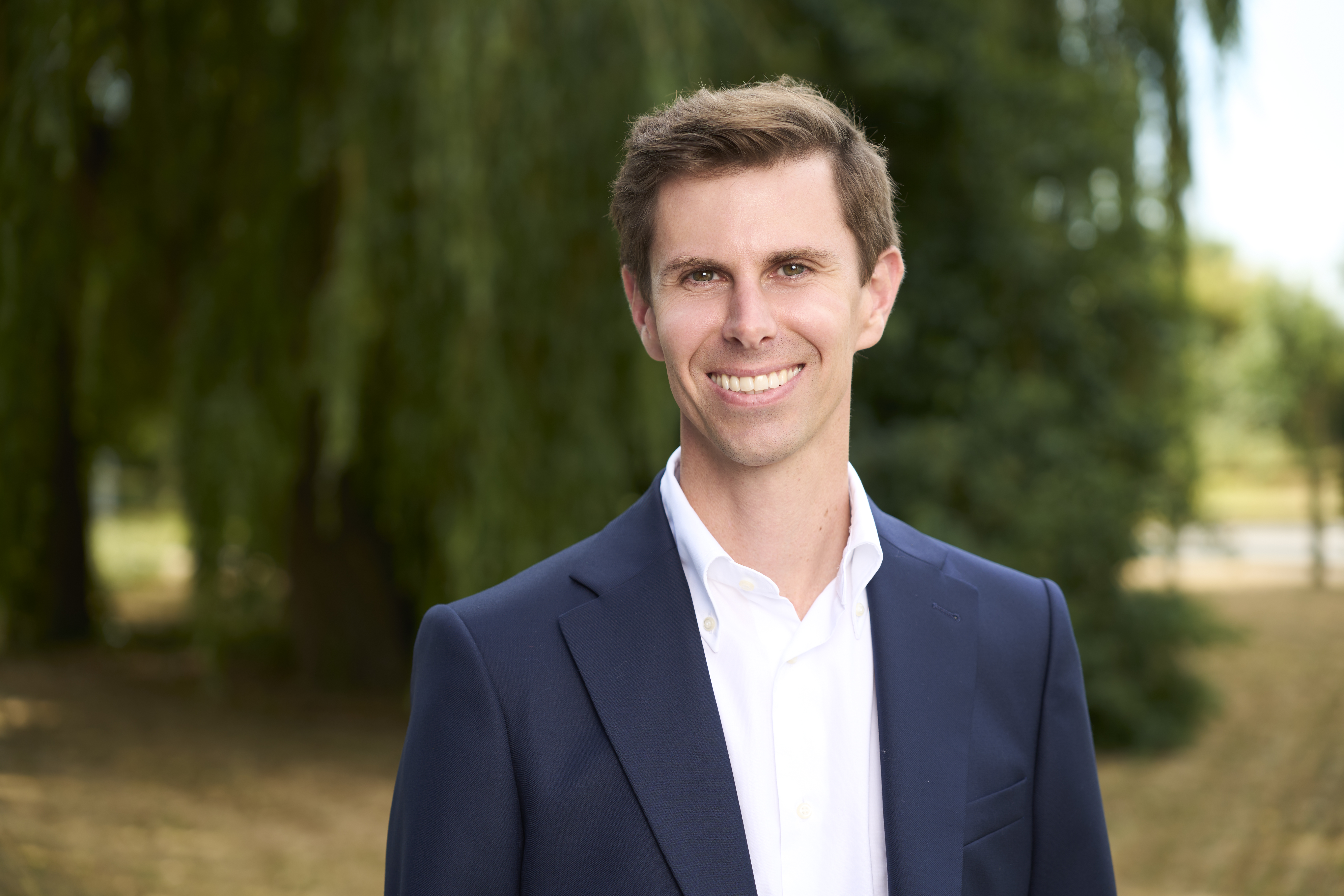
Dr Sam Barker is chief business officer at ViaNautis Bio having joined in 2021 as VP of business development. Prior to this, he served as director of business development at Midatech Pharma, now Biodexa Pharmaceuticals, where he secured and oversaw alliances with pharmaceutical partners. As part of the leadership team at ViaNautis, Barker is responsible for partnering and licensing activities and has particular expertise in developing and commercialising innovative platform technologies. Barker began his career in the biotech industry at Phoremost ltd as a scientist developing target discovery screening platforms before transitioning to alliance management and later business development. He is a molecular biologist by training and completed his PhD in Biological Sciences at the University of Exeter in collaboration with the Drug Discovery Unit in Dundee and DSTL Porton Down.