Vaccination fall costs UK its measles elimination status
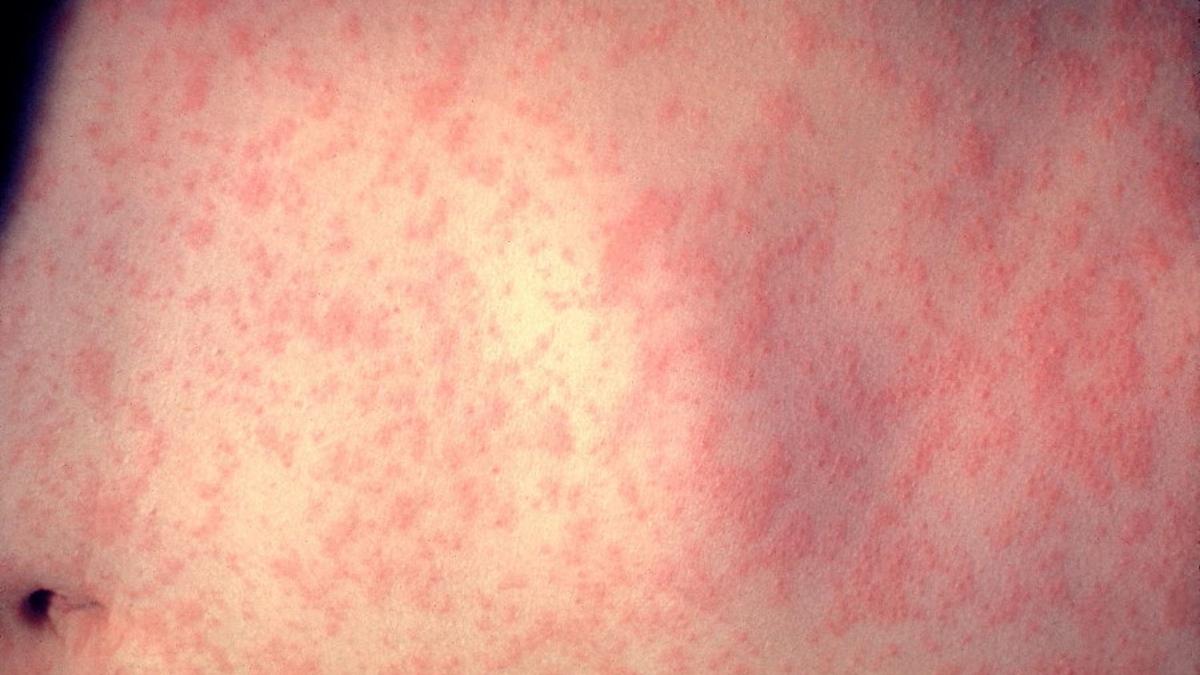
The UK has lost its measles elimination status, according to the World Health Organization (WHO), after recording 2,911 laboratory-confirmed measles cases in England in 2024 – the highest number in a single year for more than a decade.
The WHO now considers measles 're-established' in the UK due to the rise in cases and a fall in the proportion of children who get the routine MMR (measles, mumps and rubella) vaccine as part of the childhood immunisation schedule.
While the change in status was anticipated – given the scale of the 2024 outbreaks and UK cases still approaching 1,000 last year, one leading to the preventable death of an unvaccinated child – it provides a timely warning to push back against anti-vaccine rhetoric gaining ground in many countries, as well as unequal access to shots.
Rates of MMR vaccination are now below the 95% threshold required to achieve herd immunity, and that has led to "pockets of low or no vaccine uptake" in some areas, according to Dr Bharat Pankhania, an expert in public health medicine at the University of Exeter Medical School.
Along with improved access to GP practices and more health visitors who can immunise babies in their homes, Pankhania believes that it is "imperative that we judiciously address the issue of wrong information about the safety of vaccines. We need to have trusted talking heads speaking to the decision-makers – the parents with newborn babies – and addressing their concerns."
The UK – which eliminated measles in 2017, but lost its status two years later before reclaiming it in 2021 – joins Spain, Austria, Armenia, Azerbaijan, and Uzbekistan among countries in Europe and central Asia that the WHO deems no longer measles-free.
There are also concerns that the declining uptake of MMR could signal weakening use of vaccines for other infections like whooping cough (pertussis), which also saw a surge in cases in 2024 to nearly 15,000, with 11 fatalities among infants.
Earlier this year, it was announced that young children in England would be offered two doses of the combined MMRV vaccine, which protects against chickenpox (varicella), as well as measles, mumps, and rubella, replacing the MMR vaccine.
Some experts argue that, while vaccine hesitancy is a threat, at the moment the primary problem in the UK is access by parents to immunisation services in some areas due to difficulties like booking appointments, transport issues, and lack of continuity in healthcare.
"Profoundly low coverage in areas such as Hackney underscores the unequal distribution of risk and harm to children," commented Dr Ben Kasstan-Dabush, assistant professor of global health and development at the London School of Hygiene & Tropical Medicine.
"There is no quick fix for declining vaccination coverage, particularly as the UK government advances policies that simultaneously offer opportunities and create new challenges," he added.
"Welfare reforms proposed by the current Labour government should be leveraged to reverse this trend and support recovery in vaccination coverage, especially in areas of high deprivation and low uptake."
The US, where federal government policy seems to be undermining childhood immunisation programmes at every turn, is also at risk of losing its measles elimination status following outbreaks that started in early 2025. HHS Secretary Robert F Kennedy Jr has voiced support for the MMR vaccine, but also made unsubstantiated claims about its safety and downplayed the severity of the diseases it protects against.
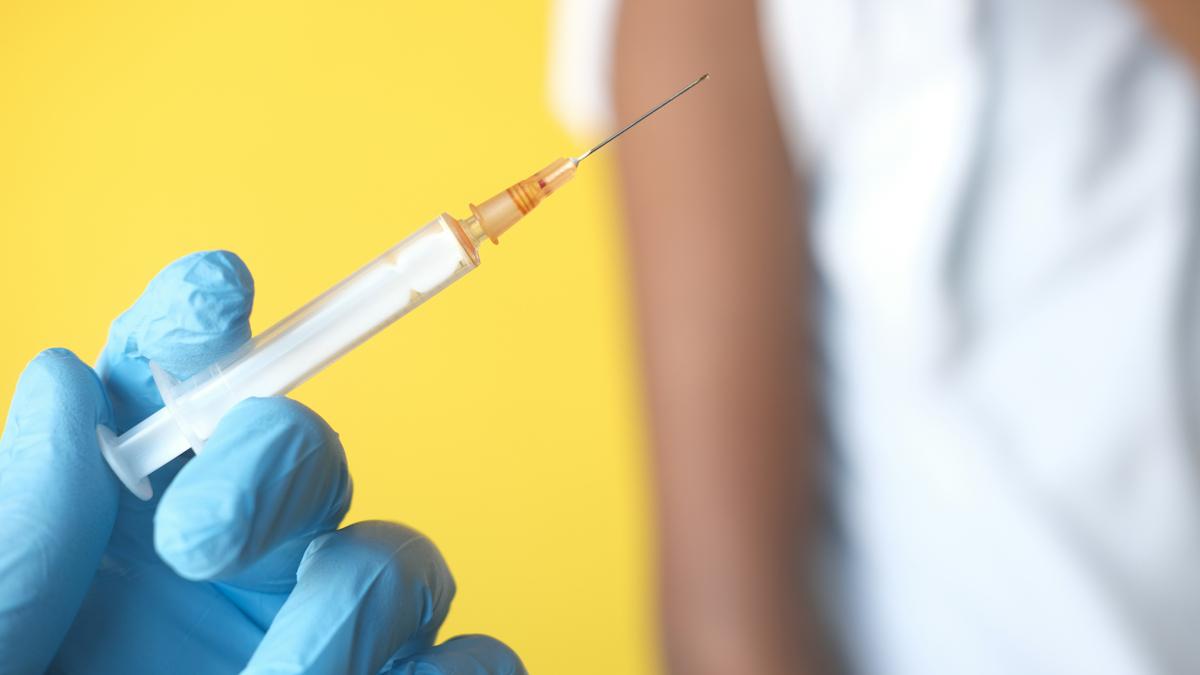
Photo by Towfiqu barbhuiya on Unsplash