CDC cuts recommended childhood jabs from 17 to 11
The CDC has upended the childhood vaccination schedule, cutting the number of recommended immunisations in a move that the Trump administration says brings the US into line with the practice in Denmark.
The number of immunisations universally recommended for all children has fallen from 17 to 11, with six of them now recommended only for those deemed to be at high risk of infection. A third category will be available only after 'shared clinical decision-making' between parents and a healthcare professional.
The new recommendations were made in response to an executive order signed by President Trump in December.
The changes have been swiftly criticised by medical organisations such as the American Academy of Pediatrics (AAP), which has refused to change its recommendations to match those coming out of the CDC under vaccine sceptic HHS Secretary Robert F Kennedy Jr and called the changes "dangerous and unnecessary."
Kennedy said the new advice had come after an "exhaustive review of the evidence" on vaccines and aligns the US schedule with "international consensus." He added that the decision "protects children, respects families, and rebuilds trust in public health."
AAP president Dr Andrew Racine said the adoption of the Danish model was wrong-headed as "America is a unique country, and Denmark's population, public health infrastructure, and disease-risk differ greatly from our own."
Republican Senator Bill Cassidy of Louisiana, whose vote swung the appointment of Kennedy to the HHS role last year after being given assurances that access to vaccines would not be undermined, said the move is "based on no scientific input on safety risks and little transparency [and] will cause unnecessary fear for patients and doctors."
Specifically, the CDC now advocates that universal immunisation be maintained for measles, mumps, rubella, polio, pertussis, tetanus, diphtheria, Haemophilus influenzae type B (Hib), pneumococcal disease, human papillomavirus (HPV), and varicella (chickenpox). The new recommendations reduce the number of HPV shots to one, from two or three previously.
The six shots reserved for high-risk groups are respiratory syncytial virus (RSV), hepatitis A, hepatitis B (which was subject to acrimonious exchanges at the last meeting of the CDC vaccines committee), dengue, and two vaccines protecting against bacterial meningitis – namely MenACWY and MenB.
The vaccines recommended for shared clinical decision-making are for rotavirus, COVID-19, influenza, meningococcal disease, hepatitis A, and hepatitis B.
HHS said the changes would not affect health insurance coverage for vaccines in any of the three categories. However, there are concerns that the downgrading of recommendations will further reduce take-up of immunisations that could threaten population immunity levels needed to prevent outbreaks, and feed anti-vaccine sentiment that already seems to be surging in the US.
Michael Osterholm, director of the University of Minnesota's Center for Infectious Disease Research and Policy (CIDRAP), said: "Eliminating vital US childhood vaccine recommendations without public discussion or transparent review of the data the decision was based on is a radical and dangerous decision. This wildly irresponsible decision will put lives at risk."
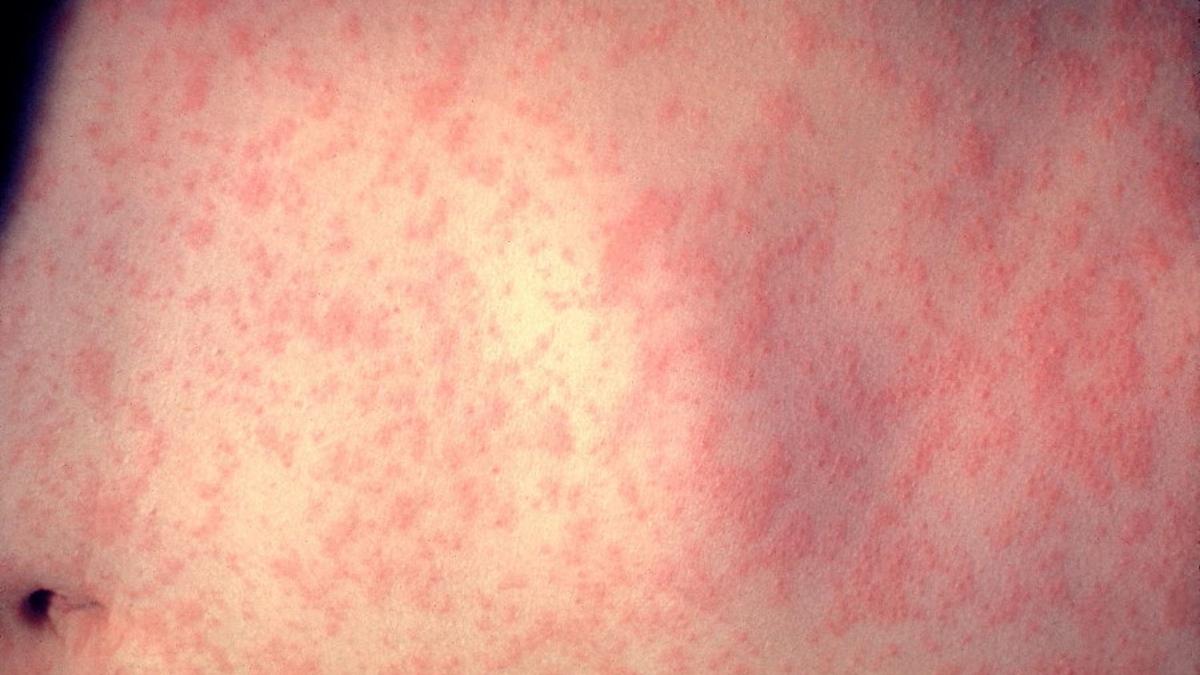
The scaling down of the recommendations comes amid an outbreak of measles in the US that claimed two unvaccinated children's lives last year, the first fatalities from the preventable disease in more than a decade, according to the Infectious Diseases Society of America (IDSA). Prior to 2025, there had only been three measles deaths in the US since 2000.
In a statement, the IDSA said that the change to the schedule recommendations "represents the latest reckless step in Secretary Kennedy's assault on the national vaccine infrastructure that has saved millions of lives."
IDSA president Ronald Nahass pointed out that, unlike the US, most other high-income countries have universal health care and parental leave, both of which can support prevention and early care and contribute to lower disease prevalence.
"It is irresponsible to haphazardly change vaccine recommendations without a solid scientific basis and transparent process," he added.