US BIOSECURE Act passed by Congress
Months of uncertainty have come to a close. The BIOSECURE Act, now part of the National Defense Authorization Act (NDAA), will put in motion US government-wide restrictions on ‘biotechnology companies of concern’ and eventually bar agencies from procuring their biotech equipment or services.
In 2024, Congress sought to insert the BIOSECURE Act into the NDAA, but it ultimately was not included in the final version due to concerns raised by various stakeholders and Members of Congress. After months of negotiations over the broader NDAA package, Congressional leadership gave the language the go ahead for inclusion this year as Section 851 of the NDAA.
The NDAA authorises funding for defense programmes and outlines spending and new policy initiatives. The effect of this legislation - passed on 17th December - will be that those so-called ‘biotechnology companies of concern’ will no longer be able to provide certain biotechnology equipment or services to US federal agencies, or to any other entities for use in connection with federal contracts, grants, or loans, without jeopardising customers’ federal funding.
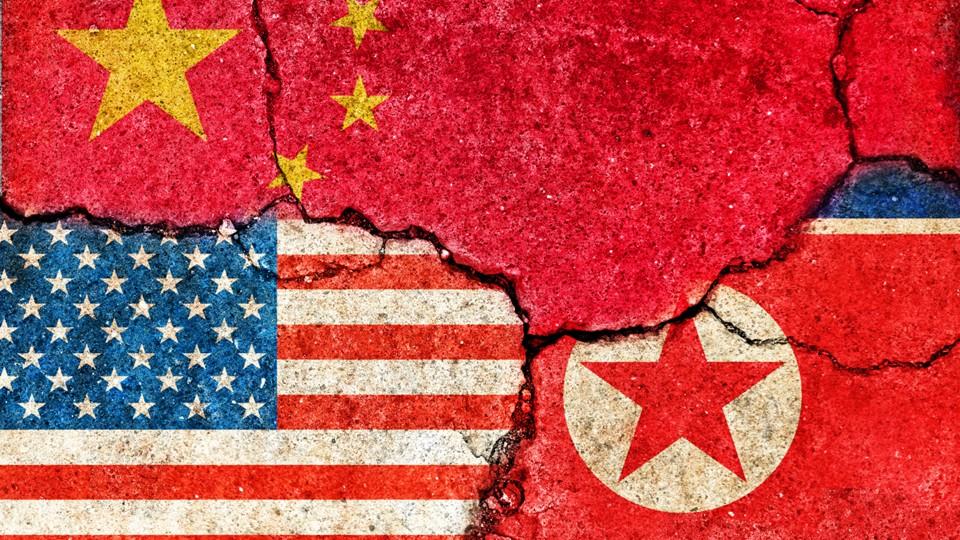
This applies particularly to companies based in China, North Korea, Russia, and Iran, or other ‘designated countries’. Indeed, designations will focus on entities tied to foreign adversaries (including DoD 1260H Chinese military companies) and certain affiliates, with scope spanning sequencing platforms, software, and data services.
What this means for industry
Life sciences companies should begin preparing to closely monitor this space, says Foley Hoag, as well as existing work streams – in anticipation of designations, and note a new process allowing designated companies to seek removal from the designations.
The effective date of the Act is as yet uncertain, and lists of prohibited companies are still evolving. Last year, the legislation explicitly named several companies in the bill – WuXi AppTec, BGI, MGI, and Complete Genomics, and WuXi Biologics – who have multi-faceted relationships with life sciences companies.
While the latest version does not list companies, any entities that engage with the US federal government need to be prepared for additional scrutiny of companies they contract with overseas.
Nonetheless, there are several notable changes in the latest version. One new addition from prior iterations of the Act is that companies will have the ability to challenge their designation by providing information and arguments to request removal if they believe they do not meet, or no longer meet, the definition of a ‘biotechnology company of concern’.
Once the NDAA is signed into law, the director of the Office of Management and Budget (OMB) has up to one year to publish a list of entities that constitute ‘biotechnology companies of concern’. Thereafter, the OMB director has 180 days to establish guidance to implement the Act, and then the Federal Acquisition Regulatory Council has one year to revise the Federal Acquisition Regulation (FAR) to implement the Act.
Once the FAR is revised to implement the law, the prohibitions take effect on different timelines. Importantly, existing contracts are 'grandfathered' for five years, meaning the prohibition on contracting with entities that use covered equipment or services does not apply to equipment or services produced or provided under contracts or agreements entered into before the applicable effective dates of the Act, including previously negotiated options.
*If you would like to speak with pharmaphorum to provide commentary on these and/or connected developments, please email us at editorial@pharmaphorum.com