US vulnerable to China's API dominance, says report
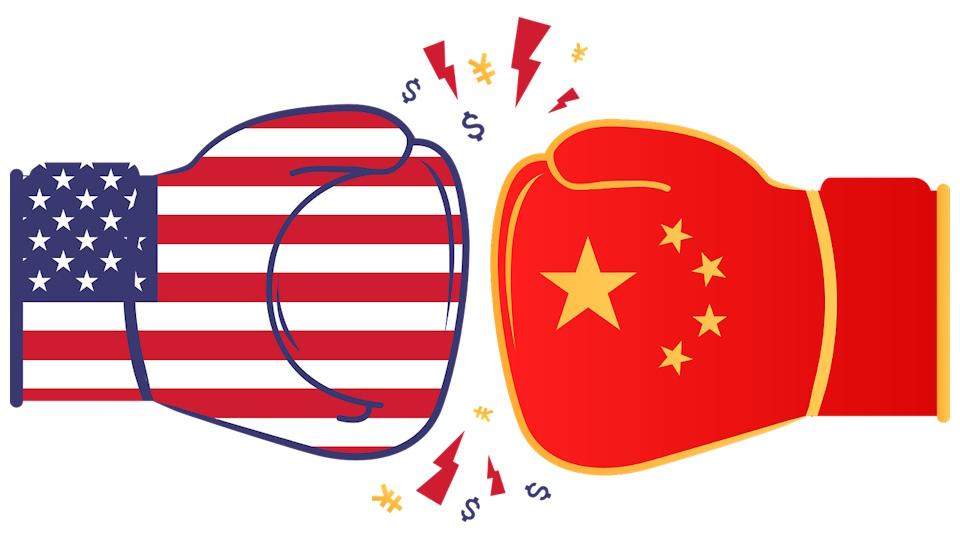
China has such a dominant position in active pharmaceutical ingredient (API) production that there is a risk it could "weaponise" access, according to a new congressional report.
The document, from the US-China Economic and Security Review Commission, warns that if China did choose to restrict access to APIs "it could deprive Americans of lifesaving medicines and cause significant harm to the US economy."
Around a quarter of all medicines used in the US rely on ingredients and intermediates sourced either from China directly or indirectly via other countries like India.
China's strong position in API and pharma intermediates is not news – for many years it has accounted for around three-quarters of the world market – but the simmering and sometimes acrimonious trade war with the US, resulting from President Trump's tariffs blitz, has arguably elevated the risk of the Chinese government using access to ingredients as a bargaining chip, as it has already done with rare earths used in the electronics industry.
Meanwhile, the report also points to China's ascendency in other areas of the pharma sector – including contract R&D and manufacturing, the development of innovative new medicines, and synthetic biology – suggesting that the US is at real risk of falling behind without significant investment.
"The United States currently faces a future in which it depends on China for access to the most cutting-edge biotechnology innovations, sophisticated biomanufacturing equipment, and advanced biomaterials," it suggests.
Trump is starting to use the threat of tariffs on pharmaceuticals as a way to force drugmakers to site more of their manufacturing in the US, with various big pharma companies already announcing large-scale projects in response, but the sheer scale of the US's reliance on China for APIs used in generic medicines will take a long time to reverse.
Among the recommendations in the report is to give the FDA the authority to require drug manufacturers to report volume and ultimate origin of APIs and starting materials used in medicines consumed in the US, with the data used to prepare a confidential report on vulnerabilities.
It also suggests that the Centers for Medicare and Medicaid Services (CMS) should look at procurement and reimbursement measures to protect US and allied countries' API and starting materials markets, which could include "price floor commitments […] to protect investments against non-market practices and price manipulation."
Earlier attempts to curb the rise of China in pharma – such as the BIOSECURE Act, which attempted to limit relationships between US and Chinese companies – ultimately failed to make it onto the statute under the Biden administration.
That said, the political climate in the US is now very different, and Trump is much more prepared and able to use federal government and legislative power as a lever to force through policy changes.
Meanwhile, a new, watered-down version of BIOSECURE – now added to the annual National Defense Authorization Act – is working through Congress and could be signed into law next month.
Image by Priyam Patel from Pixabay