Sentynl gets first FDA approval for rare disease Menkes
Children with a devastating, rare disorder of copper metabolism, called Menkes disease, now have an FDA-approved treatment for the first time.
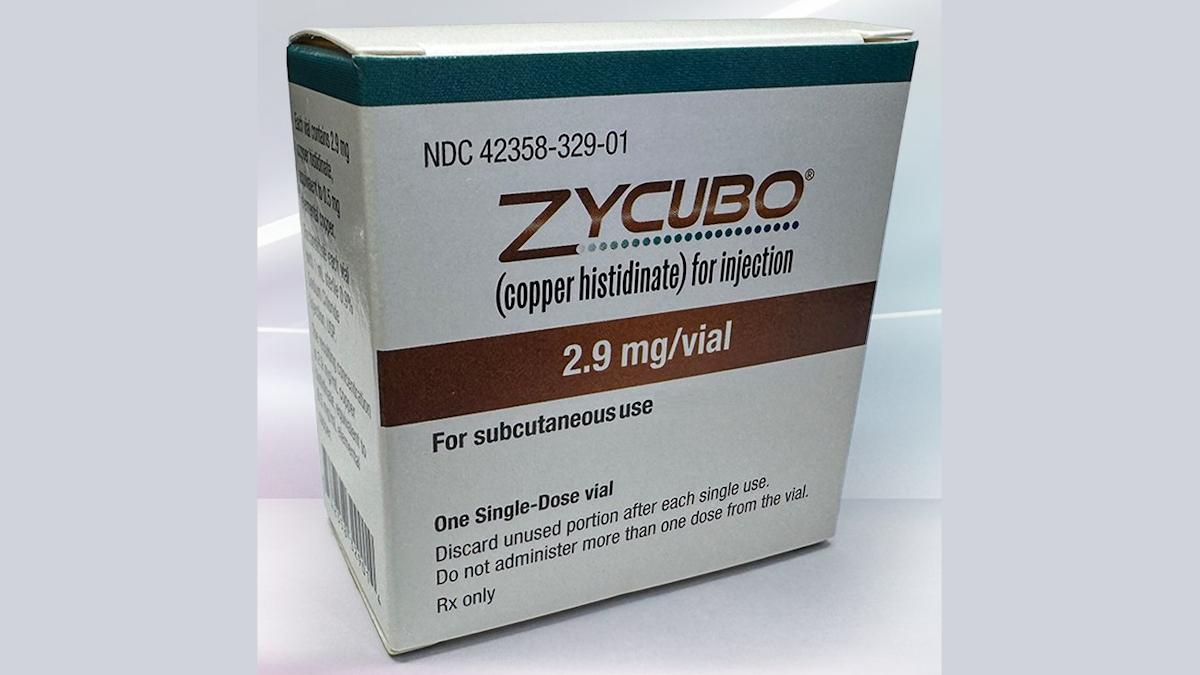
The US regulator has approved Sentynl Therapeutics Zycubo (copper histidinate; formerly known as CUTX-101) as a treatment for Menkes disease, after initially turning the marketing application down last September due to manufacturing concerns.
The Solana Beach, California-based company – which is a subsidiary of India's Zydus Lifesciences – resubmitted the application in November with changes to address those concerns, with the FDA delivering its approval decision just eight weeks later.
Menkes disease is an X-linked neurodegenerative disorder caused by a genetic defect that impairs a child’s ability to absorb copper. It inhibits normal physical and intellectual development, results in widespread abnormalities across organ systems, and can lead to serious seizures, according to the FDA. Other symptoms include characteristic crinkly hair that may be light coloured – white or grey in some cases – and breaks easily.
Some estimates suggest there are fewer than 5,000 cases at any time in the US, with around 200 new patients diagnosed each year.
Menkes starts in infancy and – in 90% of cases of classical Menkes – children do not survive beyond the age of three. Until now, the only treatment available was injections with copper supplements, which have limited efficacy, along with drugs to manage symptoms like painkillers and anticonvulsant drugs, and supportive care.
Zycubo is a copper replacement therapy, given by daily subcutaneous injection, originally developed by Cyprium Therapeutics, that delivers copper in a way that sidesteps the primary defect in Menkes that prevents it from being absorbed through the wall of the intestines.
The drug was tested in two open-label, single-arm trials in Menkes patients aged up to three, which showed statistically significant improvement in overall survival in subjects who received treatment with the drug, compared to an untreated historical control group.
In one study, there was a 79% reduction in the risk of death in a cohort that received early treatment with the drug (within four weeks of birth), coming in at 14.8 years versus 1.3 years for the controls.
"With today’s action, children with this devastating, degenerative disease will have an FDA-approved treatment option and the potential to live longer," said Christine Nguyen, deputy director of the FDA's Office of Rare Diseases, Pediatrics, Urologic and Reproductive Medicine.
"The FDA will continue to work with the rare disease community to advance drug development for patients with Menkes disease and other rare conditions," she added.
During its development, Zycubo received fast-track, priority review, breakthrough, and orphan drug designations from the regulator. There's no news from Sentynl on a launch date or pricing plans for the product, which also has orphan designation in Europe, but has not been submitted for approval there yet.