Scoop: Lumos Labs has FDA nod for ADHD DTx Prismira
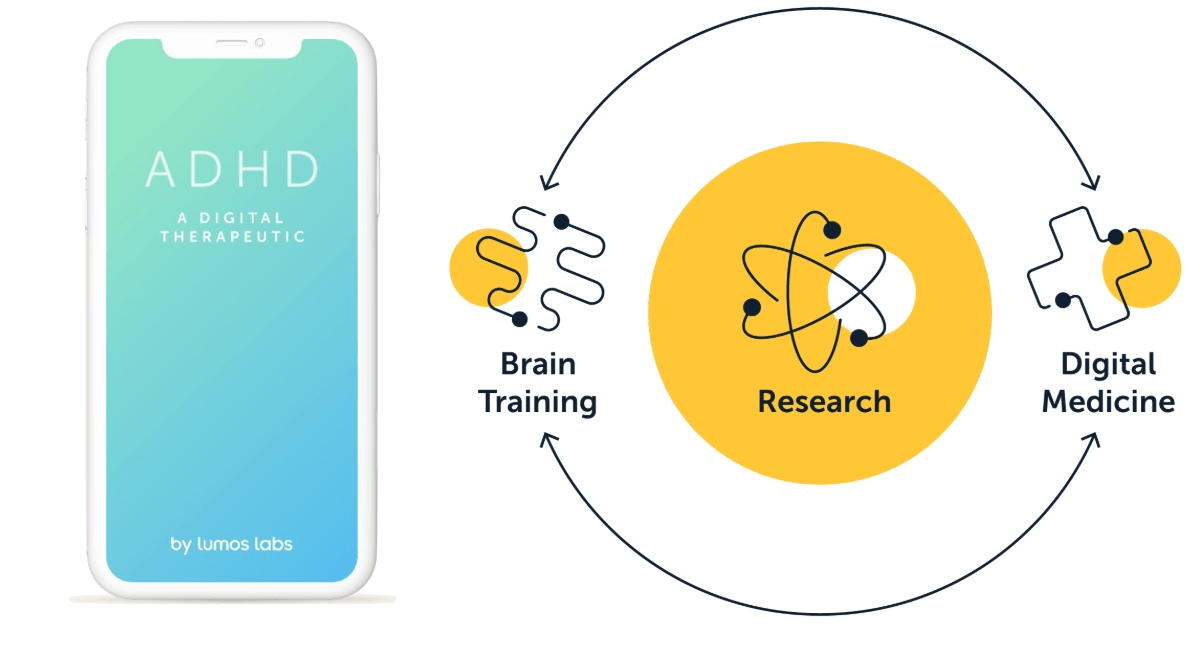
Images from Lumos Labs' website describe the company's planned digital therapeutics strategy.
Lumos Labs, the California-based company behind non-clinical brain training app Lumosity, has received FDA 510(k) clearance for its first digital therapeutics offering, an app for treating adult attention deficit hyperactivity disorder (ADHD).
Lumos has generally not been secretive about its plans to branch into regulated medical devices-- it launched a new division called Lumosity DTx in 2021. However, the company has not publicised the FDA clearance, granted on June 13th, nor has it shared the name of the app, Prismira. The company did not respond to pharmaphorum's request for comment.
"Lumosity DTx is a new division focused on applying our proprietary technology to the development of treatment, diagnostic, and monitoring tools for neurological and cognitive conditions," the company writes on its website. "This represents a natural extension of our founding mission and everything we have accomplished to date by combining unique insights from Lumosity’s dataset with a growing body of published research."
The app is indicated for use in "adults ages 22-55 years old with primarily inattentive or combined-type Attention Deficit and Hyperactivity Disorder (ADHD)" according to the FDA's decision summary and "Prismira should be considered for use as part of a therapeutic program that may include clinician directed therapy, medication, and/or educational programs, which further address symptoms of the disorder."
The company's trademark application describes the app as a "downloadable application software for monitoring and training the cognitive functions of individuals with ADHD; downloadable mobile application software featuring cognitive assessments and training programs in the field of digital therapeutics for treating individuals with cognitive function problems."
According to a footnote in the company's recent publication in Nature, the FDA clearance was based on a clinical trial of 560 adults with ADHD who were not currently medicated for the condition and were not established users of Lumosity or any other "videogame-like digital therapy".
The ADHD digital therapeutics category has hitherto been dominated by a single player: Akili Interactive (now part of Virtual Therapeutics), which makes EndeavorRx, a prescription ADHD digital therapy for children, and EndeavorOTC, an over-the-counter (but still FDA-cleared) offering aimed at adults.
While Akili's science has been strong, the company has struggled to make a successful business selling its digital therapies. This could be an area where Lumos Labs, which already has a strong established DTC business, could have more breathing room – but they will ultimately face the same market headwinds.
As Michael Pace, former head of market access at Pear Therapeutics, noted in a recent LinkedIn post, the 2026 CMS Physician Fee Schedule Proposed Rule includes a new category for digital therapeutics aimed at ADHD, which could be a boon for both companies. However, as Pace notes, Prismira is approved for adults aged 22 to 55, which could limit the positive impact of Medicare coverage.