Sanofi seeks use of type 1 diabetes drug in younger kids
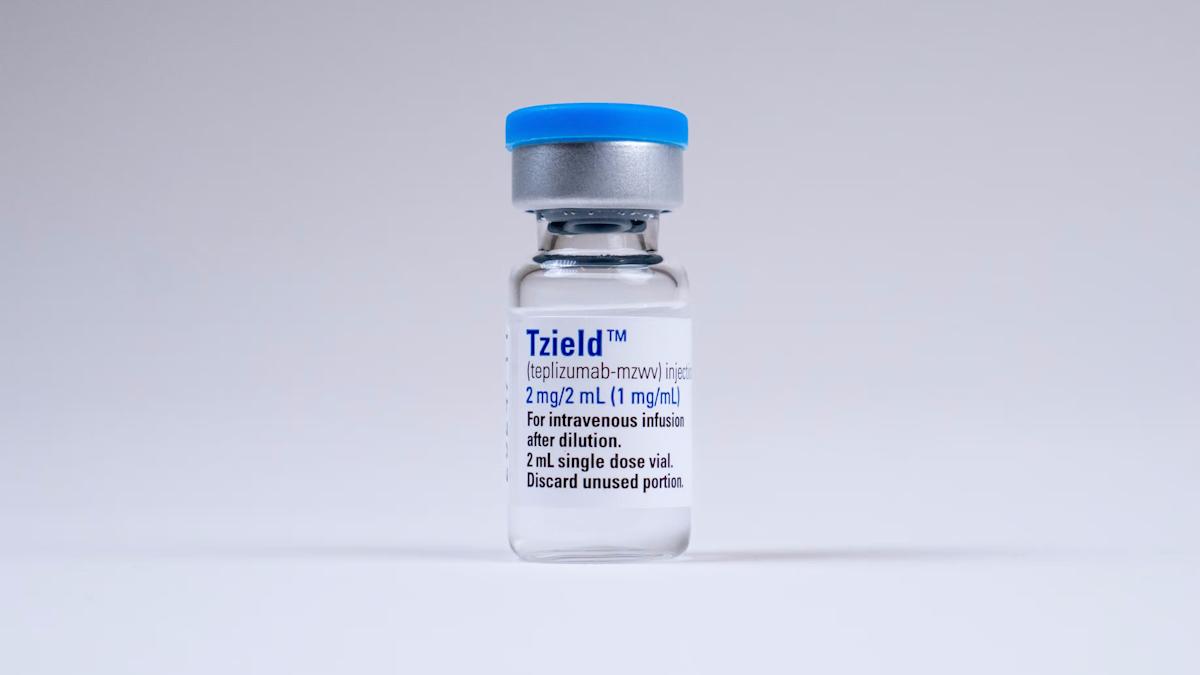
Sanofi could be months away from wider US approval for Tzield, its first-in-class drug for delaying the progression of type 1 diabetes (T1D), in children as young as one.
The FDA started a priority review of a marketing application that would extend the eligible age range for the drug from its current use in T1D patients aged eight and over, with an action date of 29th April.
The drug – based on anti-CD3 antibody teplizumab – has been approved in the US since November 2022 to delay the onset of stage 3 T1D in the over-eight population with stage 2 disease.
Stage 1 T1D is when the immune system starts attacking insulin-producing cells in the body, while stage 2 marks the point at which blood glucose levels start to become abnormal, but patients still have no symptoms. In stage 3, clinical symptoms like excessive thirst, frequent urination, weight loss, and fatigue start to occur.
The new marketing application is backed up by interim one-year data from the ongoing PETITE-T1D phase 4 study, which is investigating the safety and pharmacokinetics of Tzield in young children. That showed the estimated probability of lack of progression to stage 3 was 89.6% after around a year of follow-up.
The drug is the first disease-modifying therapy to delay the onset of T1D, and is thought to work by protecting the insulin-secreting beta cells of the pancreas that come under autoimmune attack in this form of diabetes.
Sanofi acquired Tzield when it bought Provention Bio for $2.9 billion in 2023. Sales of the drug in the US have been slow to take off, but more than doubled to €54 million in 2024 and added another €47 million – up by a third – in the first nine months of 2025.
It has also recently been approved in other markets, including China and the UK, and recommended for approval in the EU, where it will be sold as Teizeild. Analysts have suggested that, in time, it could become a $1 billion-a-year brand.
"This priority review emphasises the urgent need for innovative therapies like Tzield, which has the potential to prevent the natural progression of T1D by delaying the loss of endogenous insulin production," commented Christopher Corsico, global head of development at Sanofi.
"This might be particularly significant in this young population, as it is well documented that the autoimmune attack that drives this disease, in many cases, begins early in life."