Reviews underway of first drug for rare disease MOGAD
Patients with a rare autoimmune disease known as MOGAD could be just a few months away from having the first approved treatment.
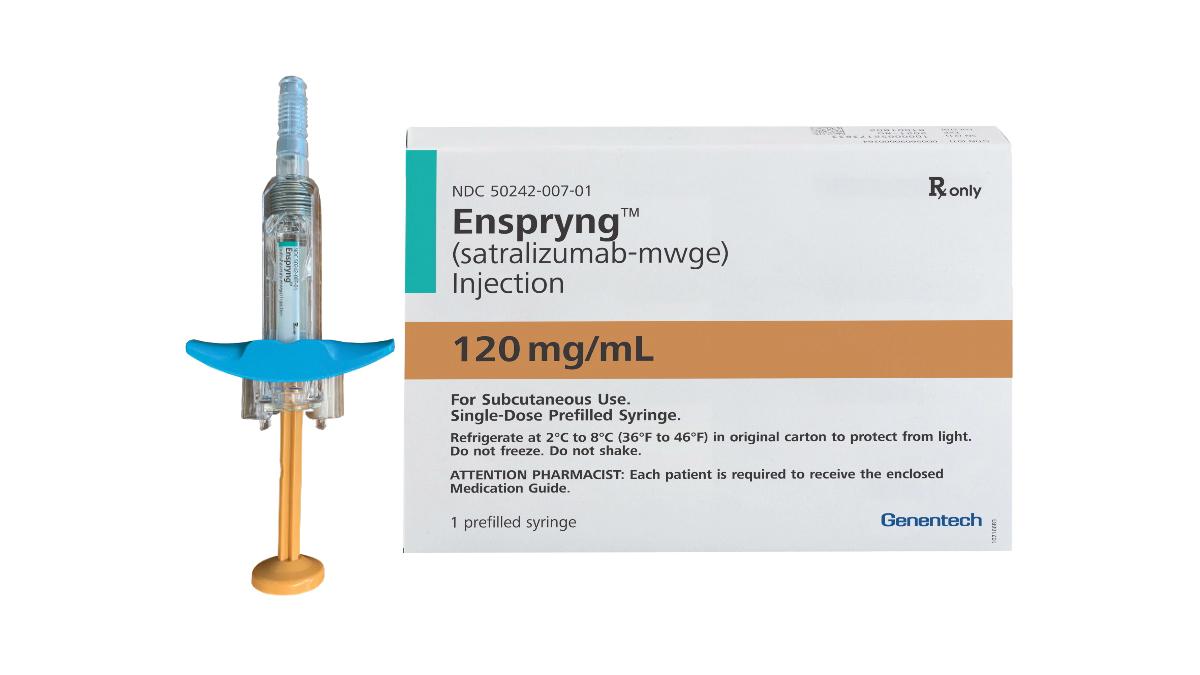
The FDA has just started a priority review of Roche's anti-IL-6 drug Enspryng (satralizumab) for MOGAD – myelin oligodendrocyte glycoprotein antibody-associated disease – which causes unpredictable and serious attacks on the optic nerves, spinal cord, or brain.
A decision on the review by the US regulator is due by 10th January next year. Meanwhile, Enspryng – which is already approved to treat anti-aquaporin-4 antibody-positive neuromyelitis optica spectrum disorder (NMOSD) – is also under regulatory review for MOGAD in Europe, with decisions due later in 2027.
Roche reported global sales of around $470 million last year in the NMOSD indication, and approval in MOGAD would unlock a second rare disease indication with a similar prevalence.
The prevalence of MOGAD is thought to range from 0.51 to 3.42 per 100,000 people, with an estimate of around 17,000 patients in the US, while there could be as many as 300,000 people living with the condition around the world.
Unlike multiple sclerosis, which also attacks the myelin sheaths around nerve cells, MOGAD disease progression only occurs during acute attacks. Around half of all MOGAD patients experience just one attack in their lifetime, while others have recurring attacks that lead to further damage to the CNS. Symptoms may not fully resolve after an attack, leading to accumulating, permanent neurological damage, vision loss, and disability.
At the moment, patients are treated with therapies like corticosteroids, intravenous immunoglobulins (IVIG), and immunosuppressants to dampen down the aberrant immune reactions that characterise the disease.
In the phase 3 METEOROID study, Enspryng reduced the risk of new relapses by 68% compared to placebo, with 87% of Enspryng-treated patients remaining relapse-free at 48 weeks compared to 67% in the control arm.
"Enspryng has the potential to transform care for people living with MOGAD, significantly reducing serious attacks and decreasing the reliance on high-dose steroids and immunosuppressants," said Roche's chief medical officer, Levi Garraway.
The drug is also under review for thyroid eye disease (TED) – another rare condition, but one that is more common than NMOSD and MODAG – with a decision from the FDA due next month. Meanwhile, Roche is also developing the drug for autoimmune encephalitis (AIE) in the late-stage CIELO trial.