Quell takes new Treg into clinic after transplant study halt
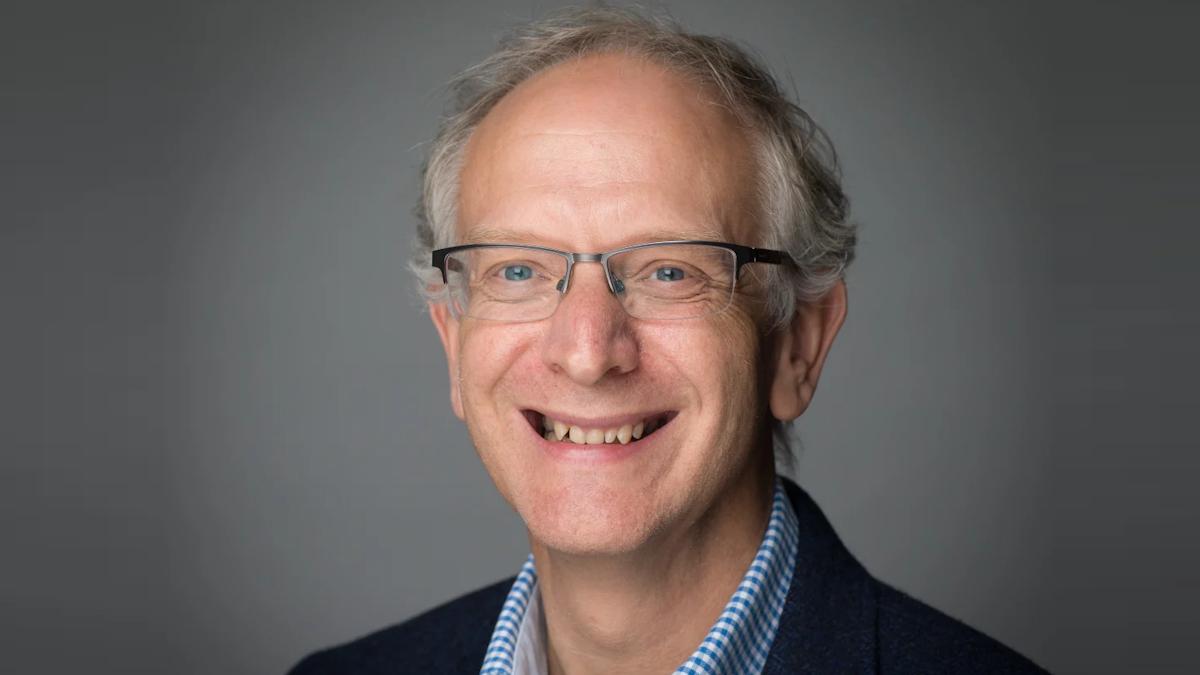
Prof Christopher Buckley of the University of Oxford-based Kennedy Institute of Rheumatology, is leading the CHILL trial.
UK biotech Quell Therapeutics has started human trials of autologous CAR-Treg therapy QEL-005 in rheumatoid arthritis and systemic sclerosis, after pressing pause on its former lead programme for organ transplant rejection.
The phase 1/2 CHILL trial of QEL-005, which is designed to dampen suppress immune responses in inflamed tissues and surrounding lymphoid structures, will recruit patients in the UK, Germany, and Spain and is expected to deliver results early next year.
The advancement of QEL-005 into clinical testing comes shortly after London-headquartered Quell said it was calling a temporary halt to the development of former lead programme QEL-001, designed to help people having a liver transplant come off immunosuppressing drugs, after reviewing interim results from a phase 1/2 trial.
It is now seeking a partner for the project, while it focuses its internal efforts on QEL-005 in diseases characterised by "complex autoimmunity," saying it has the potential to become a 'pipeline-in-a-product'.
Chief executive Iain McGill said that the goal with QEL-005 is "to 'CHILL, not KILL' – taking a differentiated therapeutic approach that restores immune balance, rather than relying solely on B-cell depletion." The therapy is based on a CD19 CAR and exerts effects on B-cells, T-cells and inflammatory macrophages.
The CHILL trial's lead investigator, Prof Christopher Buckley of the University of Oxford-based Kennedy Institute of Rheumatology, said that CAR-T cells that kill pathogenic cells have emerged as therapies for autoimmune diseases, but "kill, don't regulate."
He added: "We believe that using CAR-Tregs, that are natural tissue regulators, we will be able to achieve deep and durable disease control and achieve a cure."
QEL-100 partially effective
In an update posted this morning, Quell's chief medical officer, Dr Luke Devey, said that the results had shown that QEL-100 may not enable "full operational tolerance" in solid organ transplantation, but could be used to help patients minimise their use of immunosuppressants.
Calcineurin inhibitor (CNI) drugs like ciclosporin and mTOR inhibitors such as tacrolimus can have serious side effects, including infections, diabetes, and hypertension.
"The interim LIBERATE data demonstrate that QEL-001 has been well tolerated to date, with supportive translational evidence of durable in vivo persistence, trafficking to the transplanted liver, and suppressive Treg phenotype," said Devey.
QEL-100 could "enable minimisation of immunosuppression to CNI-free, low‑dose mTOR monotherapy in liver transplant recipients," he added.