Pressure rises on Novo as Innovent drug tops Ozempic
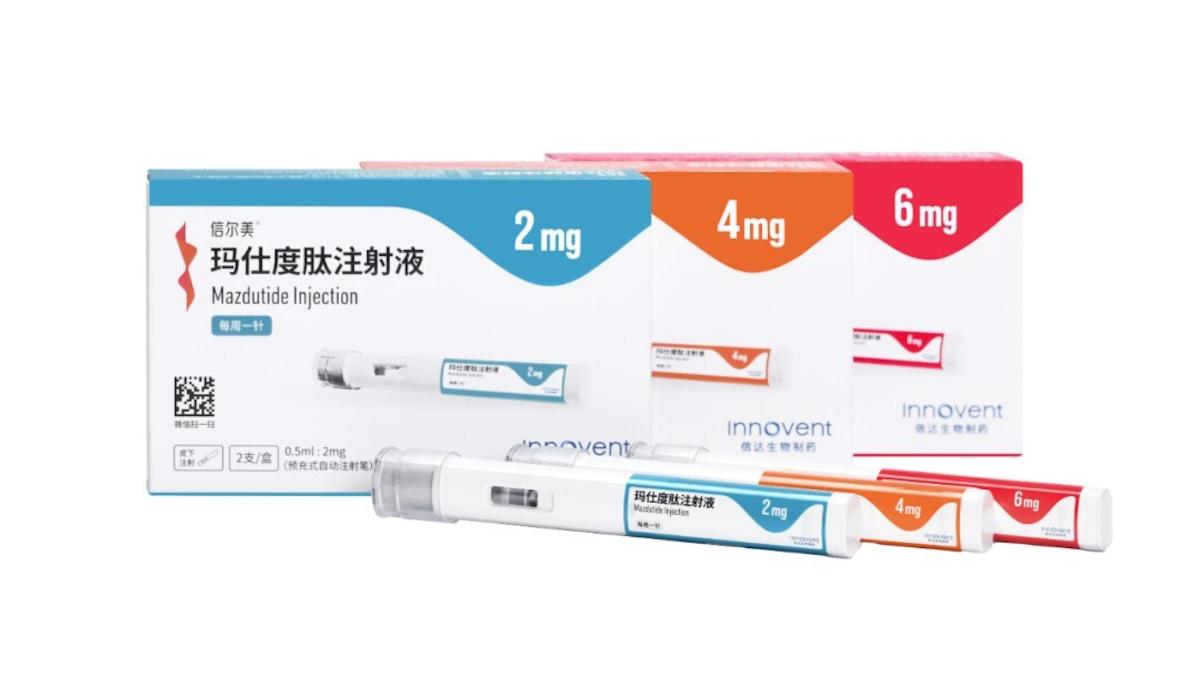
Innovent Biologics has upped the ante in the fast-growing GLP-1 agonist market with clinical data for its mazdutide candidate that showed it was more effective than Novo Nordisk's Ozempic in overweight people with type 2 diabetes.
In the head-to-head DREAMS-3 study, glucagon/GLP-1 agonist mazdutide was more effective than GLP-1 agonist Ozempic (semaglutide) at reducing haemoglobin A1c levels, a marker for blood glucose control, and at helping subjects to lose weight.
Mazdutide is already approved for both type 2 diabetes and obesity in China, and is being developed in other markets by its original developer Eli Lilly, Novo Nordisk's biggest rival in the GLP-1 category.
Lilly's GIP/GLP-1 agonist Mounjaro (tirzepatide) also outperformed Ozempic, and the formulation of the drug for obesity, Zepbound, topped Novo Nordisk's semaglutide-based obesity therapy, Wegovy, in comparative studies.
All that has contributed to a steep fall in Novo Nordisk's share price this year and resulted in the replacement of its chief executive and most of its board of directors.
With mazdutide, Lilly and Innovent look set to ramp up the pressure further. In DREAMS-3, the proportion of participants achieving HbA1c off less than 7.0% and a 10% or greater reduction in body weight from baseline was 48% in the mazdutide group and 21% with Ozempic.
The average decline in HbA1c levels with Innovent and Lilly's drug was 2.03% after 32 weeks, compared to 1.84% with Ozempic, while the 10% target weight reduction was seen in 10.3% and 6%, respectively.
DREAMS-3 enrolled a Chinese cohort of overweight diabetics, while Lilly is currently running a phase 2 trial of the drug in a largely US-based population of overweight and obese subjects.
GlobalData has previously predicted that mazdutide could become a leading obesity therapeutic in China, the world's second-largest pharma market after the US and where there is a potential patient pool of around 160 million people.
Outside China, the next GLP-1 battleground in diabetes and obesity is expected to be the oral market, with both Lilly and Novo Nordisk gunning to provide effective alternatives to the current generation of injectable obesity medicines. Novo Nordisk already sells an oral form of semaglutide as Rybelsus for diabetes.
Lilly has another candidate further ahead in development outside China that is taking up more of its R&D investment, namely retatrutide, a triple-acting agent that targets GLP-1, GIP, and glucagon in one molecule and is in several phase 3 trials across weight loss, diabetes, obstructive sleep apnoea, osteoarthritis, and chronic lower back pain, as well as for reducing the risk of cardiovascular and kidney complications in people with obesity.
Novo Nordisk, meanwhile, is hoping to regain its position in the category with CagriSema, combining semaglutide with experimental amylin agonist cagrilintide, and dual GLP-1/amylin agonist amycretin.
Last week, Innovent signed a massive $11.4 billion alliance with Takeda that is focused on antibody-drug conjugates for cancer.