Pfizer, Valneva shrug off phase 3 Lyme disease vaccine miss
Pfizer and Valneva have said they will still file for approval of their vaccine candidate for Lyme disease – even though their phase 3 trial missed its main efficacy goal.
The PF-07307405 shot (also known as VLA15 and LBV6) demonstrated a 73.5% efficacy in preventing Lyme disease in individuals aged five years and above in the 9,500-patient VALOR trial, which recruited people living in areas with endemic Lyme disease and with lifestyles that put them at increased risk of the tick-borne infection.
While that did not meet the pre-determined statistical criterion for the study – because there were fewer than anticipated cases in the study period, which spanned two Lyme disease seasons – Pfizer will be proceeding with marketing applications nonetheless.
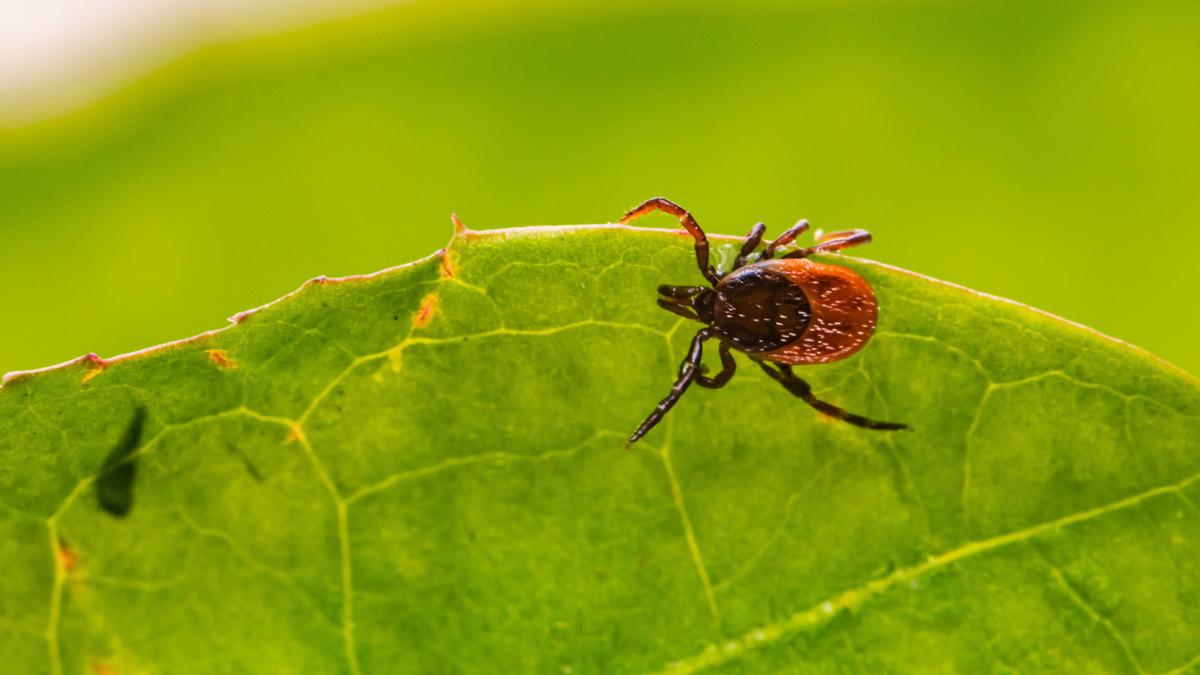
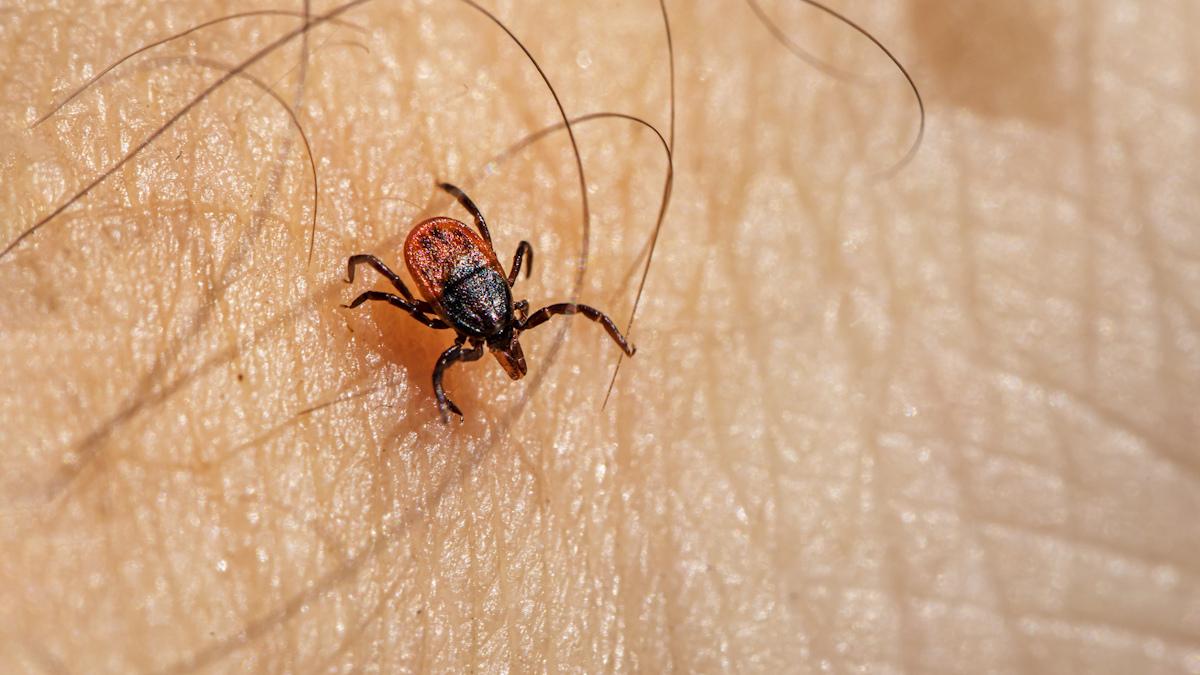
Lyme disease is the most common vector-borne illness in the Northern Hemisphere and causes a characteristic rash that can be accompanied by flu-like symptoms and, in some cases, debilitating tiredness and aches that last for years.
Valneva and Pfizer's three-dose shot targets the outer surface protein A (OspA) of the Borrelia burgdorfii bacteria that causes the disease, and has previously shown in phase 2 trials that it stimulated an immune response against the pathogen and was well-tolerated.
"Lyme disease can cause potentially serious consequences – where individuals and families face symptoms that can disrupt daily life, work, and long-term health – and there is currently no vaccine available," said Annaliesa Anderson, Pfizer's chief vaccines officer.
"The efficacy shown in the VALOR study of more than 70% is highly encouraging and creates confidence in the vaccine's potential to protect against this disease."
Valneva and Pfizer's phase 3 programme started in 2022, but suffered a setback in 2023 after it emerged that some clinical trial sites were not adhering to Good Clinical Practice (GCP) standards, leading to around 50% of US patients in the VALOR study being discontinued from the trial and reducing its total study population from an earlier target of around 12,500.
That delayed the programme by around a year, and Pfizer's decision to press ahead with filings suggests it is not prepared to wait any longer before chancing its arm at regulatory approval.
"Given the clinically meaningful efficacy and the fact that the 95% confidence interval lower bound was above 20 in the second pre-specified analysis, Pfizer is confident in the vaccine's potential," said the companies in a statement.
In 2022, Pfizer re-engineered the terms of its alliance with Valneva on VLA15, taking an 8% stake in the French vaccine developer at a cost of around $95 million and reducing its share of the development costs for VLA15. The pharma group paid $130 million upfront to license rights to VLA15 in 2020.
Other companies working on preventative medicines for Lyme disease include Moderna, which has two mRNA-based vaccine candidates (mRNA-1975 and mRNA-1982) in mid-stage clinical testing, and Tonix Pharma, which has an anti-OspA antibody intended for use after exposure to ticks (TNX-4800) in a phase 1/2 study.
GSK (then SmithKline Beecham) developed a Lyme disease vaccine called Lymerix back in the 1990s, but pulled it off the market in 2002, after settling a class action lawsuit claiming injuries from side effects.
Image by Erik Karits from Pixabay