Novo Nordisk cuts guidance again on weaker GLP-1 growth
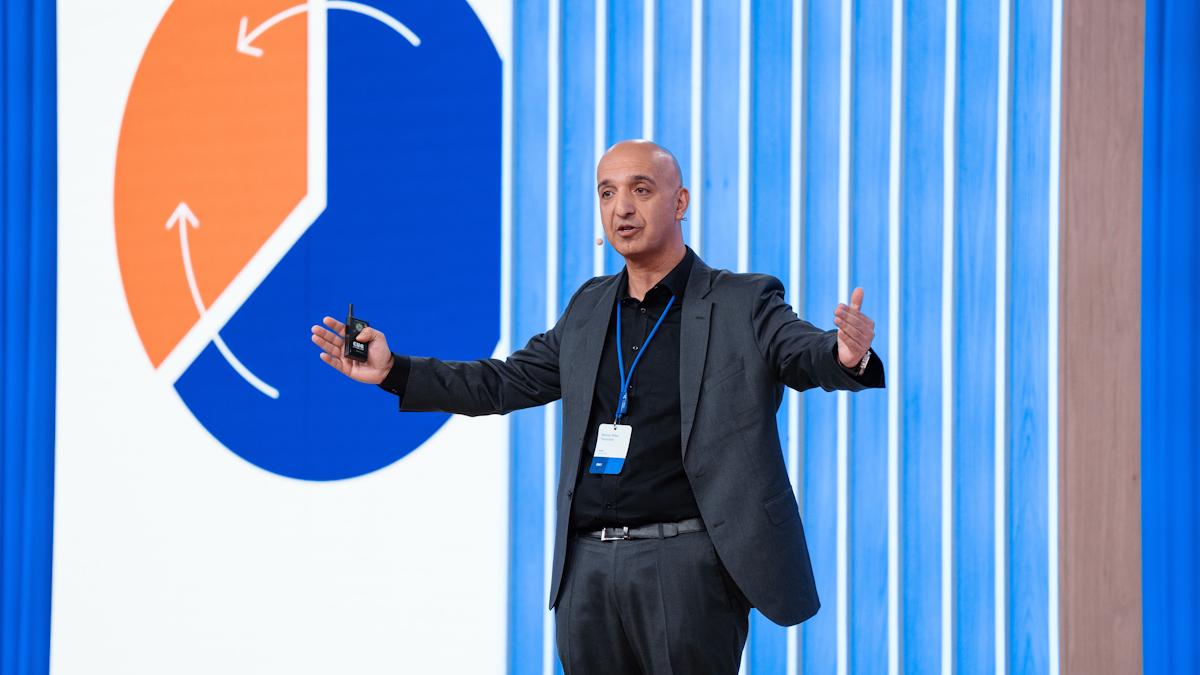
Novo Nordisk's new chief executive Mike Doustdar.
Novo Nordisk's first set of financial results under new chief executive Mike Doustdar has continued 2025's theme so far – GLP-1 agonist drugs under pressure, forcing the company to cut its sales and profit forecasts.
It would be churlish to expect much more at this stage, given Doustdar has been in the job for less than three months. Still, the result exemplifies the challenge facing the new CEO as he tries to turn around a business that was briefly the biggest company in Europe in 2024, fuelled by rapid growth in GLP-1 weight-loss and diabetes therapies, before a rapid fall in its value over the course of this year.
The financial results show top-line sales growth in the first nine months of the year of 12% to DKK 230 billion ($35.4 billion) and also solid growth for obesity therapy Wegovy and Ozempic for diabetes, both based on GLP-1 agonist semaglutide.
Wegovy and Ozempic grew 49% to DKK 57 billion and 10% to DKK 95 billion, respectively, but the former showed further signs of a slowdown in the third quarter, growing at 18%, lower than analyst expectations. Overall, Novo Nordisk's GLP-1 franchise managed a rise of just 7% in the first three quarters of the year.
For comparison, Eli Lilly said its tirzepatide-based competitors – Zepbound and Mounjaro – enjoyed triple-digit percentage growth in its third-quarter update last week.
The combination of competition from Lilly and unlicensed semaglutide products was one part of the story of Novo Nordisk's reduced sales momentum, but the company also cited other emerging factors in the market as reasons for its trimmed forecasts, including pricing pressure.
The Trump administration has focused on GLP-1 drugs as a primary target for drug price reductions, and both Novo Nordisk and Lilly are reportedly in the final stages of negotiating a pricing deal that could see their drugs offered to the federal government for as little as $149 per month.
On the results call, Novo Nordisk said the company has agreed a semaglutide price that will kick in in 2027, but did not reveal any detail. It did however suggest it would have a "low single-digit impact" on its sales.
Meanwhile, Doustdar has attempted to shore up Novo Nordisk's obesity pipeline with a $10 billion takeover offer for Metsera, which has two candidates in mid- to late-stage clinical trials, although that has embroiled it in a legal dispute with Pfizer, which had a prior merger agreement with the startup.
This morning, the new CEO said that the restructuring of Novo Nordisk that began shortly after he took over "has already delivered operational efficiencies," but the company still needs to "accelerate on all fronts to be able to compete better in dynamic and increasingly competitive markets."
He added: "While we delivered robust sales growth in the first nine months of 2025, the lower growth expectations for our GLP-1 treatments have led to a narrowing of our guidance."
Novo Nordisk is now predicting sales growth of 8% to 11% this year, down from an earlier forecast of 8% to 14%.