NICE says no to Genmab cervical cancer therapy
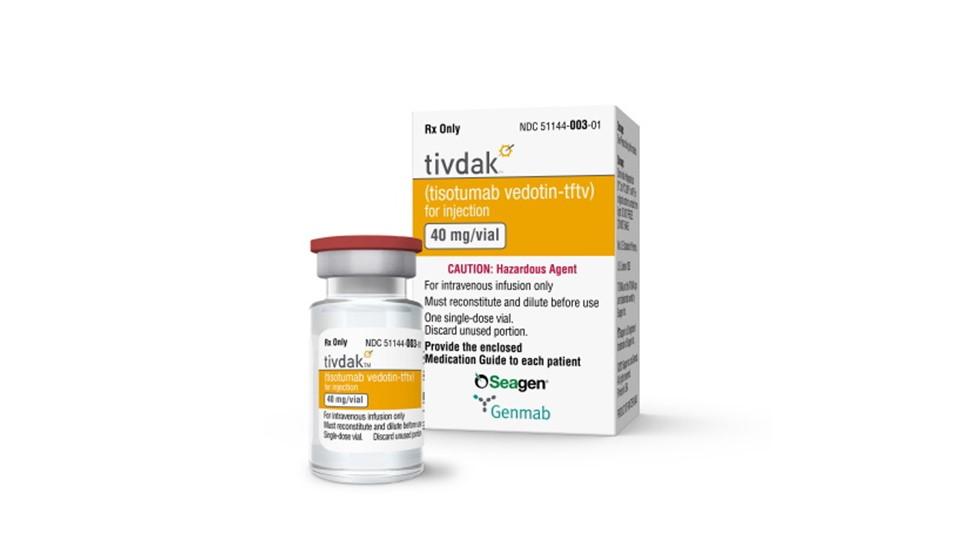
Genmab's recently approved therapy for cervical cancer that has come back or spread, Tivdak, has been turned down for NHS use in initial guidance from reimbursement authority NICE.
Tivdak (tisotumab vedotin), a tissue factor (TF) targeting antibody-drug conjugate (ADC), was approved by the UK Medicines and Healthcare products Regulatory Agency (MHRA) in December as an alternative to chemotherapy in cervical cancer patients whose disease has progressed after prior systemic therapy.
The green light came on the strength of the phase 2 innovaTV 301 study, which revealed median overall survival (OS) was 11.5 months with the new therapy compared with 9.5 months in a chemotherapy control arm, equivalent to an approximately 30% reduction in the risk for death.
The confirmed objective response rate was also significantly higher with Tivdak compared to chemo, coming in at 17.8% and 5.2%, respectively.
In its preliminary guidance, NICE said it had concerns about the economic model proposed by Genmab to make the case for Tivdak's use by the NHS as a second-line therapy for cervical cancer, so it was unable to decide whether it would be a cost-effective use of NHS resources.
It also said the list price for the drug has not yet been approved, so the cost-effectiveness estimates cannot be published, but are thought to be "higher than the range normally considered […] acceptable."
In response, Genmab's general manager in the UK, Matt Kiely, said: "For women and their families living with recurrent or metastatic cervical cancer, the need for new and effective treatment options remains urgent, and so we are committed to working towards a solution that enables NHS access to tisotumab vedotin."
He added: "We will continue to engage constructively with NICE and the wider community, including physicians and patient advocates, to help determine a path forwards and ensure women who may benefit have access to this additional treatment option."
It is estimated that 3,300 women are diagnosed with cervical cancer in the UK every year, with approximately 900 women dying from the disease. Among those who respond to initial treatment, recurrence occurs in up to 30% of cases.
While national disease prevention and early detection efforts continue to make important strides, patients with advanced cervical cancer have limited treatment options. It remains the fourth leading cause of cancer-related death among women worldwide.
According to NICE, Genmab has estimated that the eligible patient population in England, assuming Tivdak is ultimately approved for use, is around 117 people. The ADC is a key product for the Danish company as it is the first to be launched independently of commercial partners, laying the foundation for future self-marketed medicines.
Tivdak is partnered with Pfizer in the US, where it was first launched in 2021, but Genmab is going it alone in Europe and other markets, including Japan, recording sales of $19 million last year. It has been building up its footprint to support that rollout, setting up new offices in the UK, as well as France and Germany.
Tivdak is already available to patients in Germany, its first European launch, and in Japan.