Neuralink rival Paradromics cleared to start speech trial
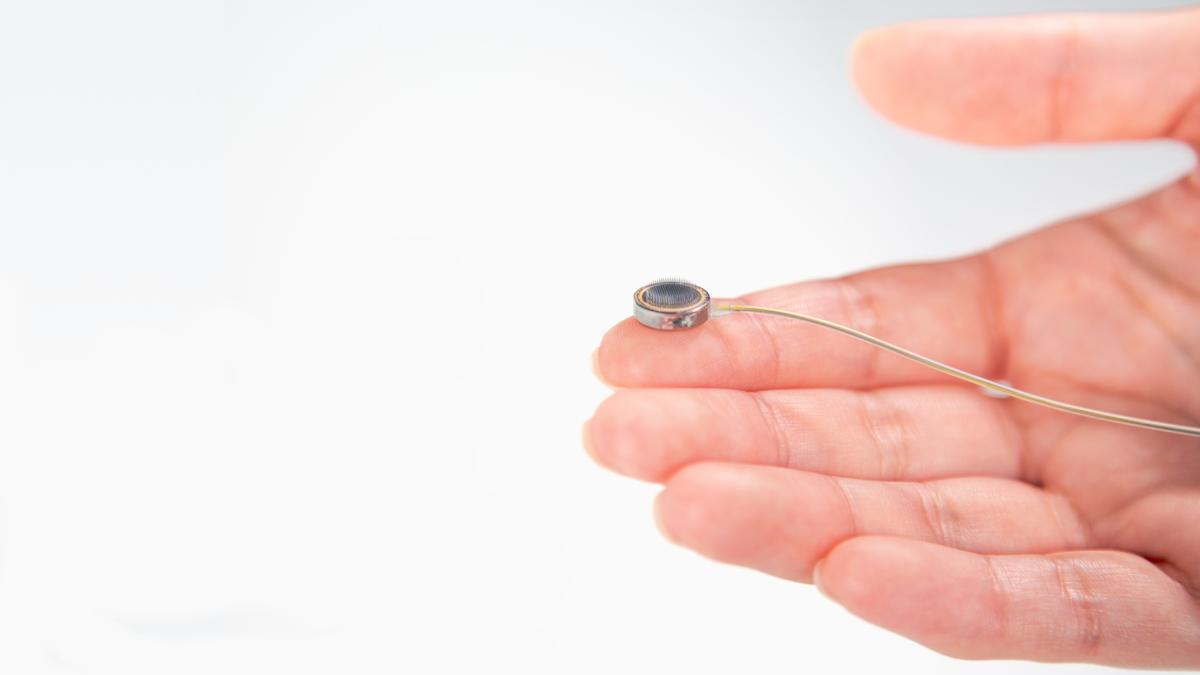
Brain computer interface (BCI) developer Paradromics has been cleared by the FDA to start a clinical trial of its Connexus implant that will test how well it can convert thoughts into speech.
Austin, Texas-based Paradromics said the investigational device exemption (IDE) from the US regulator for the Connect-One study of Connexus is the first for a fully implantable BCI intended to restore speech for people with severe motor impairment.
The study ups the ante in the BCI category, where Paradromics is competing with Elon Musk's Neuralink, as well as other players like Synchron, Inbrain Neuroelectronics, and Blackrock Neurotech.
A recent scientific preprint published by Paradromics reported that the Connexus implant – a tiny device that is implanted directly into the cortex of the brain – achieves an information transfer rate of over 200 bits per second (bps) with negligible delay using a new benchmarking standard it has developed called SONIC.
The company claims that this is more than 20 times faster than the initial reported performance of other intracortical systems like Neuralink's N1 device, and "orders of magnitude" beyond endovascular systems, like Synchron's, that use a stent-like electrode array implanted in a blood vessel in the brain.
All the companies are hoping to provide a means of controlling electronic devices using thought, but Paradromics seems to have stolen a march on its rivals with the start of the speech restoration study, drawing on data suggesting that the data transfer rate with Connexus is considerably higher than transcribed human speech, which occurs at around 40 bps.
"In Q1 next year, we are launching a clinical study with the best engineered brain computer interface in the world," said Paradromics' chief executive and founder, Matt Angle. "This is the device that patients deserve."
The Connect-One study will initially enrol just two subjects with impaired speech and limited extremity movement (upper and lower) due to severe loss of voluntary motor control. They will need to live within four hours of three clinical sites in Sacramento, California, Boston, Massachusetts, and Ann Arbor in Michigan, according to the company.
The trial "marks a new peak for neurotech development, building on a decades-long foundation of rigorous academic studies using research-grade BCI technology," said Stephen Ryu, Paradromics' chief medical officer.
"Our first human trial will allow us to demonstrate the unmatched performance, safety, and reliability of our high-bandwidth BCI to help overcome human limitations."